
A sterile compounding deficiency can stop the revenue line before any hearing is scheduled.
Request a Free Case ReviewState boards of pharmacy inspect compounding operations against USP 795, 797 and 800, and the findings arrive as deficiency reports with short response windows. A board can restrict or halt sterile compounding on an interim basis while the matter is resolved, which for many pharmacies is the part that actually hurts.
The response is a legal document as much as a technical one. It is read by regulators deciding whether this is a pharmacy that fixes things or a pharmacy that needs supervising, and it is quoted back in any later proceeding. Our bench includes attorney and pharmacist Dr. Martha Rumore, who works on both sides of that line.

Anthony's background as a former federal prosecutor and executive for major healthcare companies provided a level of expertise and insight that made all the difference. His deep understanding of healthcare law, particularly in litigation and compliance matters, helped navigate complex legal issues with ease.
With upmost professional respect, I will be forever grateful to have such caring individuals as Attorney Anthony Mahajan and Attorney Diana Yastrovskaya who come into my life, even though I am a business owner but I always felt I was treated as a friend and was made reaching out to them with ease.
I had a great experience working with Health Law Alliance. From the very beginning, their team was incredibly helpful, responsive, and professional. They answered all of my questions quickly and kept me informed throughout the entire process.

Anthony and his staff have gone above and beyond. His proactive communication and ability to handle complex legal scenarios effectively have been a significant asset. Highly recommended attorney.

Top-notch attorneys with an unparalleled scope of experience and breadth of knowledge. You will want them in your corner.

Had nothing but great experience from them. Knowledgeable and professional in all aspects. They have a vast knowledge in health care cases, great to be on your side against insurances.

Trustworthy and experienced.
Three exposures that compounding pharmacies underestimate when the inspector leaves.
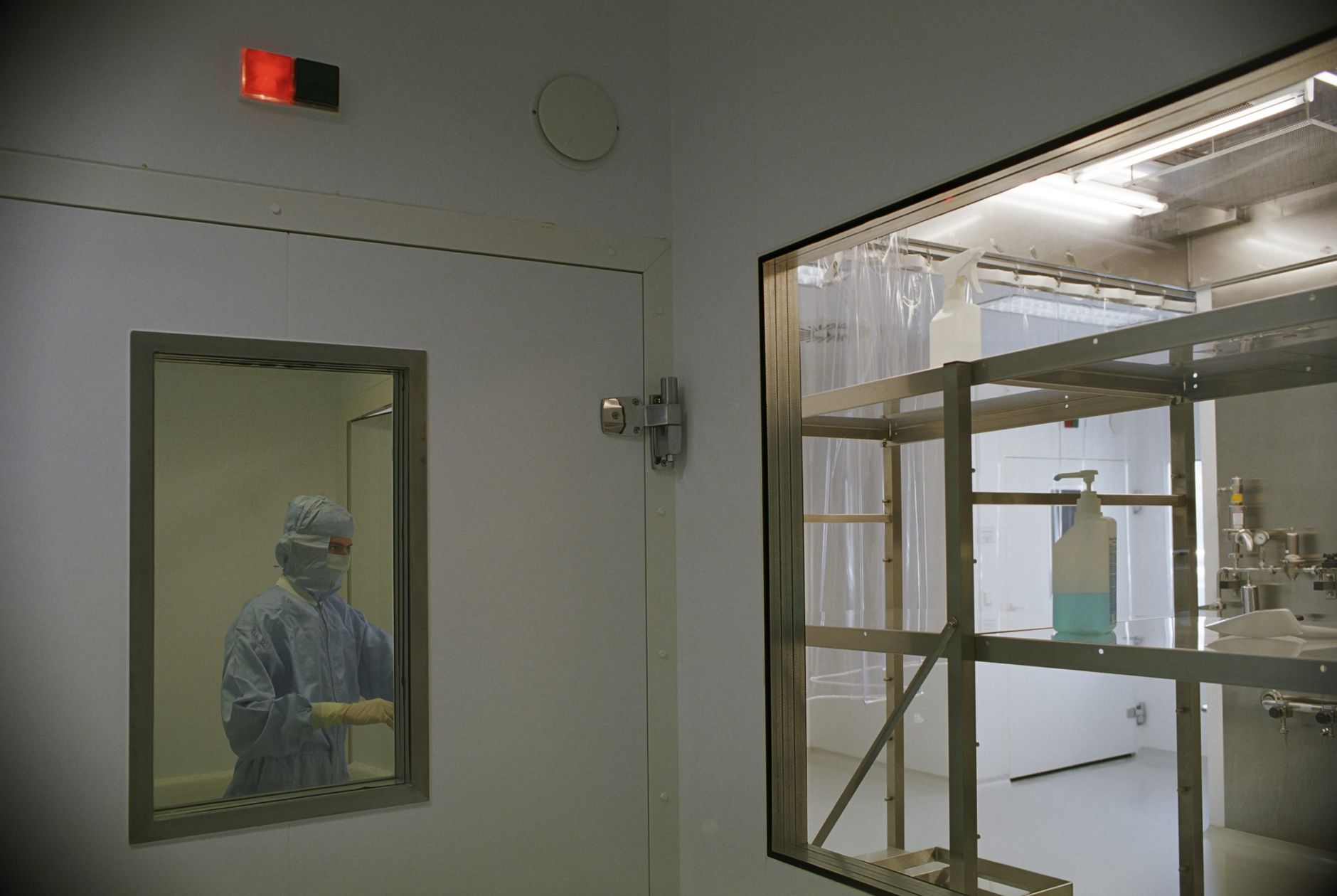
Boards can restrict or suspend sterile compounding pending resolution where they see patient risk. The hearing may be months away; the revenue stops now. The response to the deficiency report is therefore the real fight, and it is written on a clock measured in days.
Board discipline attaches to licences, including the PIC's own. A facility problem becomes an individual disciplinary record that follows that pharmacist to every future employer and every other state where they hold a licence. Facility counsel and individual interests are not automatically aligned.
A compounding pharmacy shipping into other states holds non-resident licences there, and most of those states require prompt reporting of home-state discipline and can act on it. One home-state finding can open a dozen files. Managing the reporting is part of managing the case.
Four features that separate compounding board matters from ordinary pharmacy discipline.

A board complaint is answered on the board’s timetable. The response, and the record filed with it, frames what the board considers at an informal conference or a formal hearing.
Technical review and legal strategy run together from the first day.
A pharmacist and a lawyer review the deficiency report together against the actual records, environmental monitoring data, and SOPs. Some findings are wrong, some are true but mischaracterised, and some are correct and need fixing now. Treating all three the same is the common error.
Remediation begins immediately, with dates, responsible people, and independent verification where it is available. The aim is a plan of correction that describes work already under way rather than intentions.
The written response addresses each finding on the merits, contests what should be contested, and demonstrates the system fix. Where the board seeks interim restrictions, we negotiate terms that protect patients without closing the business.
Home-state outcomes are reported where required, and we manage the non-resident licence consequences in a coordinated way rather than letting each state open its own uncoordinated file.
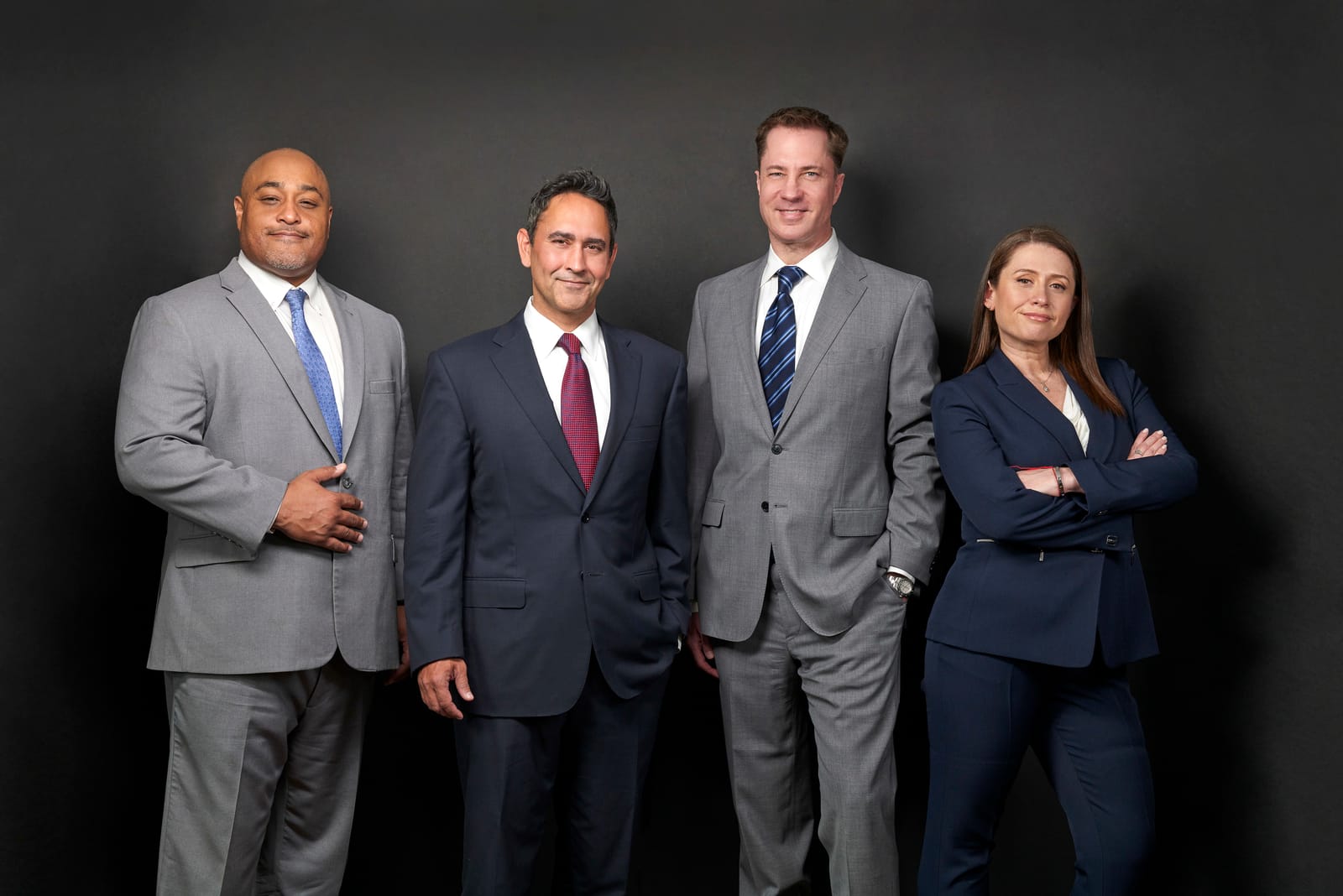
Health Law Alliance handles the response and any parallel appeal, licensing matter or referral as one coordinated matter, so the strategy does not change hands as the matter moves between forums.
The bench includes a former Assistant U.S. Attorney nominated for the DOJ Director's Award, senior healthcare-company counsel, and attorney-providers with experience across healthcare audits and investigations.


Agency and company marks identify former professional experience of individual HLA team members. They do not imply affiliation, endorsement, or a client relationship.
Send us the deficiency report and your SOPs. We will tell you which findings are defensible, what has to be fixed this week, and what the response needs to say. Free, confidential, no retainer.