51 JFK Parkway, Short Hills, NJ 07078
USP 795 / 797 / 800 · Inspection Deficiencies · Plans of Correction · PIC Exposure

Compounding Board of Pharmacy Defense

A sterile compounding deficiency can stop the revenue line before any hearing is scheduled.

State boards of pharmacy inspect compounding operations against USP 795, 797 and 800, and the findings arrive as deficiency reports with short response windows. A board can restrict or halt sterile compounding on an interim basis while the matter is resolved, which for many pharmacies is the part that actually hurts.

The response is a legal document as much as a technical one. It is read by regulators deciding whether this is a pharmacy that fixes things or a pharmacy that needs supervising, and it is quoted back in any later proceeding. Our bench includes attorney and pharmacist Dr. Martha Rumore, who works on both sides of that line.


795 / 797 / 800
The USP Chapters Boards Inspect Against
PharmD + JD
Pharmacist-Attorney on the Bench
2,500+
Clients Represented
24/7
Availability for Inspection Deadlines
Compounding Board Direct Line
(800) 345 - 4125
Speak with an attorney - not a call center. Available 24/7.
Former officials from the agencies regulating your facility
U.S. Department of Justice
DOJ
FBI
FBI
HHS OIG
HHS-OIG
DEA
DEA
McKesson
McKesson
NAMFCU
NAMFCU
U.S. Treasury
Treasury
The Stakes

The interim restrictions do the damage, not the final order

Three exposures that compounding pharmacies underestimate when the inspector leaves.
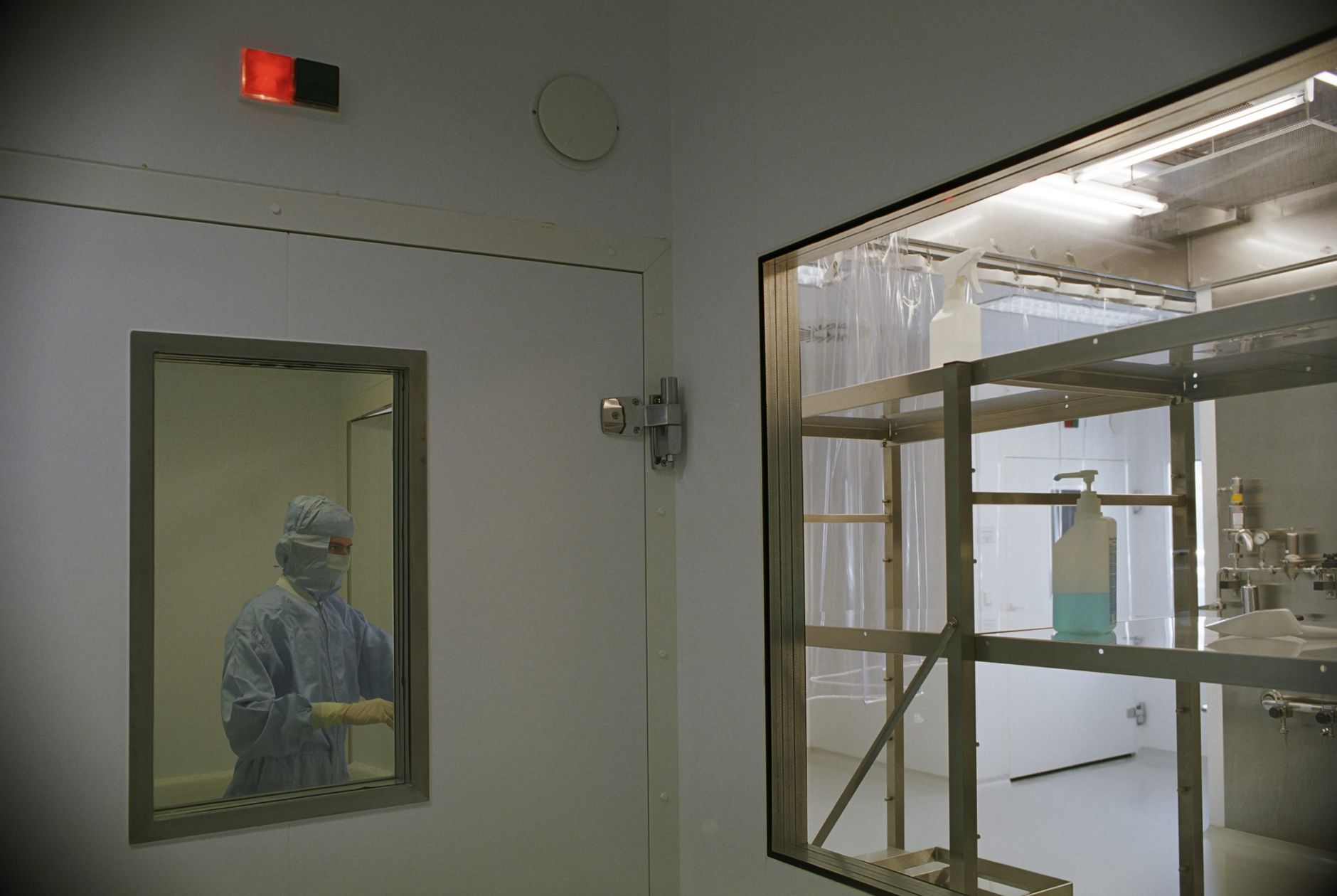
  • Sterile compounding can be halted before any hearing
  • The pharmacist-in-charge is personally exposed
  • Non-resident licences fall like dominoes
Sterile compounding cleanroom
Inspected against USP 797 and 800
01
Interim restrictions arrive before due process does

Boards can restrict or suspend sterile compounding pending resolution where they see patient risk. The hearing may be months away; the revenue stops now. The response to the deficiency report is therefore the real fight, and it is written on a clock measured in days.

Operational Halt
02
The pharmacist-in-charge carries personal exposure

Board discipline attaches to licences, including the PIC's own. A facility problem becomes an individual disciplinary record that follows that pharmacist to every future employer and every other state where they hold a licence. Facility counsel and individual interests are not automatically aligned.

Personal Licences
03
Non-resident licences cascade

A compounding pharmacy shipping into other states holds non-resident licences there, and most of those states require prompt reporting of home-state discipline and can act on it. One home-state finding can open a dozen files. Managing the reporting is part of managing the case.

Multi-State Cascade
Why Compounding Discipline Is Different

Technical findings decided by people reading a legal document

Four features that separate compounding board matters from ordinary pharmacy discipline.

Factor 01
USP compliance is judged as a system, not a list
Inspectors look at whether the quality system works: media fills, environmental monitoring, garbing competency, beyond-use dating, hazardous drug handling. Fixing the cited items without fixing the system produces a clean re-inspection and the same finding next cycle, which reads far worse the second time.
Factor 02
The plan of correction is evidence
It will be quoted in any later proceeding, and it commits the pharmacy to things it must then actually do. A plan that overpromises creates the next violation. A plan that is specific, dated, verifiable, and already partly implemented is the strongest document in the file.
Factor 03
The pharmacist-attorney view changes the answer
Whether a beyond-use date, a media fill failure, or a garbing observation is defensible is a technical question before it is a legal one. Having a pharmacist read the same record as the lawyer is what separates a substantive response from a procedural one.
Factor 04
Boards remember
Compounding pharmacies are inspected repeatedly. How a pharmacy handled the last finding shapes the posture of the next inspection. The cheapest investment is a response that persuades the board this operation self-corrects.
Deficiency response windows run in days, and the response is quoted for years
Get My Free Case Review →
Our Approach

How we defend a compounding board matter

Technical review and legal strategy run together from the first day.

Stage 01
Read the findings technically

A pharmacist and a lawyer review the deficiency report together against the actual records, environmental monitoring data, and SOPs. Some findings are wrong, some are true but mischaracterised, and some are correct and need fixing now. Treating all three the same is the common error.

Stage 02
Correct, document, verify

Remediation begins immediately, with dates, responsible people, and independent verification where it is available. The aim is a plan of correction that describes work already under way rather than intentions.

Stage 03
Respond and negotiate

The written response addresses each finding on the merits, contests what should be contested, and demonstrates the system fix. Where the board seeks interim restrictions, we negotiate terms that protect patients without closing the business.

Stage 04
Manage the reporting cascade

Home-state outcomes are reported where required, and we manage the non-resident licence consequences in a coordinated way rather than letting each state open its own uncoordinated file.

The Firm
We Used to Work for Them.
Now We Fight for You.
Client Reviews
What Clients Say
  1. Anthony's background as a former federal prosecutor and executive for major healthcare companies provided a level of expertise and insight that made all the difference. His deep understanding of healthcare law, particularly in litigation and compliance matters, helped navigate complex legal issues with ease.
Common Questions

Frequently Asked Questions

How long do I have to respond to a deficiency report? +
It varies by state and is usually short, often measured in days rather than weeks. Treat the stated deadline as real, and treat the response as the most important document in the matter, because it will be read in every later stage and quoted back to you.
Can the board stop my sterile compounding immediately? +
In many states, yes, on an interim basis where it perceives patient risk, and before any full hearing. That is why the immediate priority is usually persuading the board that the risk is controlled, rather than preparing for a hearing that may be months away.
Is the pharmacist-in-charge personally at risk? +
Frequently. Board discipline runs against licences, and the PIC's own licence is squarely in scope for facility-level failures. Because the pharmacy's interests and the PIC's are not always identical, it is worth establishing early who is representing whom.
What happens to my licences in other states? +
Most states require prompt reporting of home-state discipline on a non-resident licence and can act on it independently. A single home-state finding can therefore generate proceedings in every state you ship into, which is why the reporting strategy is part of the defense rather than an afterthought.
Should I just accept the findings and fix everything? +
Fix what is genuinely wrong, immediately. But accepting mischaracterised or incorrect findings creates a disciplinary record and a set of commitments you will be measured against later. The right response separates what is true, what is arguable, and what is simply wrong.
Does a USP 797 finding mean my compounding is unsafe? +
Not necessarily. Findings range from genuine sterility risks to documentation and process observations. The distinction matters enormously to the outcome, and making it clearly, with data, is a substantial part of what a good response does.
Speak with Compounding Counsel Today

Get a pharmacist and a lawyer on the findings before you respond

Send us the deficiency report and your SOPs. We will tell you which findings are defensible, what has to be fixed this week, and what the response needs to say. Free, confidential, no retainer.


"They told me exactly what the regulator had to prove and what to fix first. That call changed how the whole matter went." - Healthcare Client (2026)
Board deficiency report on compounding? The response window is short.