51 JFK Parkway, Short Hills, NJ 07078
Order to Show Cause · 30-Day Election · DEA ALJ · Final Order · Circuit Review

DEA Administrative Hearings

Your registration is decided in an administrative forum with its own rules and a very short clock.

When DEA moves to deny, suspend, or revoke a registration, it issues an Order to Show Cause. From service, the registrant has 30 days to request a hearing. Miss it and the right to be heard is waived, and the Administrator can act on the record as it stands.

The hearing itself is not a courtroom trial. It runs before a DEA Administrative Law Judge under the agency's own procedural rules, the ALJ issues a recommended decision, and the Administrator issues the final order. Review after that is in a U.S. Court of Appeals, on a record you can no longer add to. What you put in front of the ALJ is what you get to argue about for the rest of the case.

30 days
To Request a Hearing After an Order to Show Cause
2,000+
Audits and Investigations Handled
25+
Years of Combined Enforcement Experience
24/7
Availability for Registration Deadlines
DEA Hearings Direct Line
(800) 345 - 4125
Speak with an attorney - not a call center. Available 24/7.
Former officials from the agencies regulating your facility
U.S. Department of Justice
DOJ
FBI
FBI
HHS OIG
HHS-OIG
DEA
DEA
McKesson
McKesson
NAMFCU
NAMFCU
U.S. Treasury
Treasury
The Stakes

A registration case is decided long before the hearing date

Three features of the administrative forum decide most outcomes, and all three are in play in the first month.
  • A 30-day election that cannot be extended by agreement
  • A record that closes before any court sees it
  • Parallel state and criminal exposure running alongside
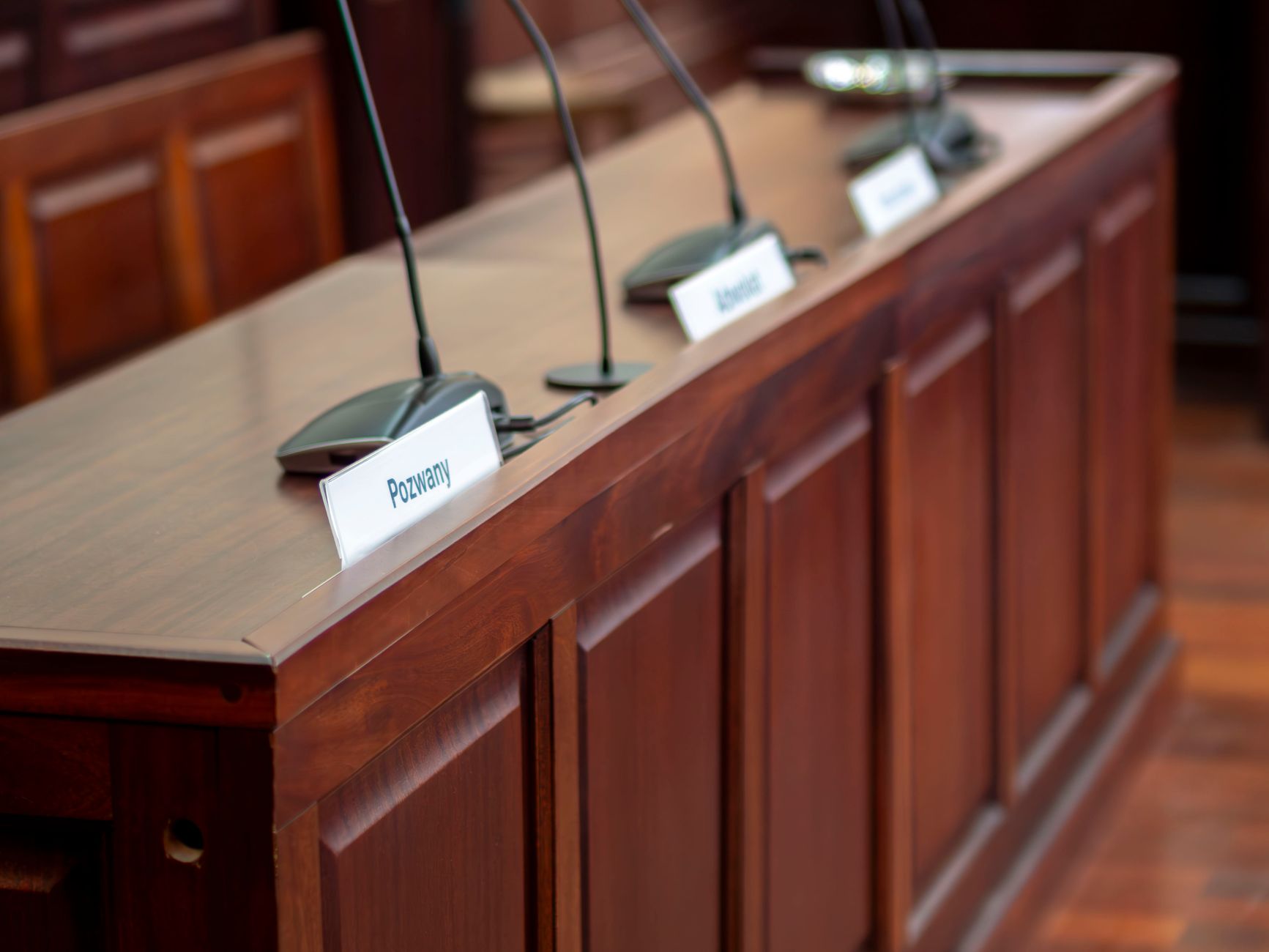
Administrative hearing room
The forum that decides your registration
01
The clock is the first substantive issue

The 30-day window to request a hearing runs from service, not from when counsel is retained. It is a jurisdictional deadline, not a scheduling courtesy, and there is no informal extension to be negotiated with the investigator at your counter. The first decision in the case is whether to elect a hearing at all, and it has to be made on incomplete information.

The 30-Day Election
02
The administrative record is the whole case

The ALJ hears the evidence, makes credibility findings, and issues a recommended decision. The Administrator issues the final order. A Court of Appeals then reviews that record deferentially. Evidence you did not put in, arguments you did not preserve, and remediation you had not yet started are all unavailable later. There is no second bite once the record closes.

One Record
03
Registration is rarely the only proceeding

A DEA action commonly triggers a state board reporting obligation and can run beside a criminal investigation. Sworn testimony and written submissions in the administrative case are usable elsewhere. Positions taken to save the registration can create problems in the other forums if nobody is coordinating them.

Parallel Exposure
Why These Hearings Are Different

The agency writes the rules, hears the case, and issues the final order

Four structural features separate a registration hearing from ordinary litigation.

Factor 01
The decision-maker is inside the agency
The ALJ sits within DEA and the final order comes from the Administrator. That is lawful and it is also the reality to plan around. Arguments that read well to a district judge can land differently here, and the persuasive weight of agency precedent is much higher than a generalist litigator expects.
Factor 02
Acceptance of responsibility carries real weight
Where misconduct is established, the registrant's candour and corrective action become central. A defense built purely on denial forfeits the most powerful mitigation available. Getting this balance right, without conceding facts that damage a parallel criminal matter, is the core judgment call in the case.
Factor 03
Remediation counts most when it is already done
Fixed recordkeeping, a working suspicious order monitoring system, retraining, and independent audits are evidence, not promises. Measures completed before the hearing are worth far more than a plan described at it. That is why the corrective work starts in week one, not after the pleadings.
Factor 04
The public interest factors structure everything
The statutory factors are the frame the ALJ actually uses. Evidence that is not organised against them tends to be discounted, however sympathetic it is. Building the case factor by factor from the outset is what makes a record reviewable and persuasive.
An Order to Show Cause starts a 30-day clock that cannot be renegotiated
Get My Free Case Review →
Our Approach

How we defend a registration from service to final order

Four stages, with the heaviest work in the first thirty days.

Stage 01
Election and immediate triage

We read the Order to Show Cause against the underlying investigative file, identify every allegation and the evidence likely behind it, and make the election decision on the record rather than the deadline. In parallel we map the state board and criminal exposure so the strategy is coherent across all of them from day one.

Stage 02
Build the remediation record

Recordkeeping, inventory reconciliation, suspicious order monitoring, dispensing protocols, and staff training get fixed and documented while there is still time for the fix to have a history. Independent verification, where it is available, turns an assertion into evidence.

Stage 03
Prehearing and the hearing itself

Prehearing statements, exhibits, and witnesses are prepared against the public interest factors. We test the government's proof on its own terms, and we present remediation as completed fact. Every submission is written knowing a Court of Appeals may read it.

Stage 04
Final order, and what follows

We brief exceptions to the recommended decision, address the Administrator's final order, and preserve appellate issues. Where the outcome allows continued registration on conditions, we make the conditions workable so compliance does not become the next proceeding.

The Firm
We Used to Work for Them.
Now We Fight for You.
Client Reviews
What Clients Say
  1. Anthony's background as a former federal prosecutor and executive for major healthcare companies provided a level of expertise and insight that made all the difference. His deep understanding of healthcare law, particularly in litigation and compliance matters, helped navigate complex legal issues with ease.
Common Questions

Frequently Asked Questions

What is a DEA Order to Show Cause? +
It is the charging document DEA uses when it proposes to deny, suspend, or revoke a registration. It sets out the grounds the agency intends to rely on and notifies the registrant of the right to a hearing. It is not a final decision, but it does start the clock, and the allegations in it define the scope of what the hearing will cover.
How long do I have to request a hearing? +
Thirty days from service. That deadline is not a scheduling convenience that can be extended by agreement with the investigator, and letting it pass generally waives the hearing right and lets the Administrator proceed on the existing record. If you are close to the deadline, that is the single most urgent fact about your case.
Should I just surrender my registration instead? +
Rarely, and never at the counter under pressure. Surrender is effective immediately and is very difficult to undo, and getting registered again means a fresh application judged on the public interest factors with the surrender in your history. Speak to counsel before signing anything, including during an inspection.
Can I keep operating while the case is pending? +
Usually yes, unless DEA has issued an immediate suspension on the basis of imminent danger, in which case the registration is suspended while the proceeding runs. Whether a suspension is in place changes the economics of the case completely, so it is one of the first things to establish.
Does the hearing affect my state license? +
Very often. A federal action commonly triggers state board reporting obligations, and state boards can open their own proceeding on the same facts. State authority to handle controlled substances is also a prerequisite for the federal registration, so the two tracks feed each other and need to be defended together.
What actually persuades a DEA ALJ? +
Where allegations are established, candour and completed remediation carry substantial weight. Fixed systems, documented retraining, and independent verification are evidence. A defense that only denies, with nothing done in the meantime, gives the ALJ nothing to work with on the mitigation side.
Speak with DEA Counsel Today

Get a privileged read on the Order to Show Cause before the clock runs

Bring us the Order to Show Cause and the inspection history. We will tell you what the government has to prove, what remediation is worth starting this week, and whether a hearing is the right election. Free, confidential, no retainer.


"They told me exactly what the regulator had to prove and what to fix first. That call changed how the whole matter went." - Healthcare Client (2026)
Served with an Order to Show Cause? The 30-day clock is running.