
Defense for pharmacies, providers, and healthcare companies facing PBM audits, Medicare and Medicaid investigations, DEA inquiries, and state board action.
Request a Free Case ReviewNew York runs the most aggressive state-level healthcare enforcement program in the country. The New York Medicaid Fraud Control Unit (MFCU) is the largest in the country and the New York Attorney General has been the most active state AG on healthcare fraud over the last decade.
The New York State Board of Pharmacy and the New York State Education Department (which credentials pharmacists) add a third regulatory track. Health Law Alliance recently reinstated seven New York pharmacies following an OptumRx termination for cause that propagated across the UnitedHealthcare and Medicare Part D footprint.
We defend New York pharmacies against PBM audits, NY MFCU investigations, NY AG enforcement actions, NY State Board of Pharmacy disciplinary matters, DEA Order to Show Cause proceedings, and federal healthcare fraud investigations. The defense framework starts with the New York regulatory regime.
Federal regulators are increasingly delegating Medicaid enforcement to the states. State Medicaid Fraud Control Units and state Attorneys General are now the primary enforcement vector for pharmacy Medicaid claims - and have grown significantly more aggressive since 2023. The defense framework starts with the state regulatory regime.

Anthony's background as a former federal prosecutor and executive for major healthcare companies provided a level of expertise and insight that made all the difference. His deep understanding of healthcare law, particularly in litigation and compliance matters, helped navigate complex legal issues with ease.
With upmost professional respect, I will be forever grateful to have such caring individuals as Attorney Anthony Mahajan and Attorney Diana Yastrovskaya who come into my life, even though I am a business owner but I always felt I was treated as a friend and was made reaching out to them with ease.
I had a great experience working with Health Law Alliance. From the very beginning, their team was incredibly helpful, responsive, and professional. They answered all of my questions quickly and kept me informed throughout the entire process.

Anthony and his staff have gone above and beyond. His proactive communication and ability to handle complex legal scenarios effectively have been a significant asset. Highly recommended attorney.

Top-notch attorneys with an unparalleled scope of experience and breadth of knowledge. You will want them in your corner.

Had nothing but great experience from them. Knowledgeable and professional in all aspects. They have a vast knowledge in health care cases, great to be on your side against insurances.

Trustworthy and experienced.
Health Law Alliance defends pharmacies, providers, and healthcare operators across the complete range of audits, investigations, and enforcement actions.
OptumRx, CVS Caremark, Express Scripts, Humana, and Prime audits and recoupment defense.
Learn more →Reverse for-cause terminations and credentialing denials before they cut off revenue.
Learn more →DOJ, HHS-OIG, and U.S. Attorney investigation and False Claims Act defense.
Learn more →Orders to Show Cause, Immediate Suspension Orders, and controlled-substance matters.
Learn more →UPIC, RAC, and MAC contractor audits with statistical extrapolation challenges.
Learn more →503A and 503B FDA inspections, Form 483 responses, and DQSA compliance.
Learn more →Complaint response, disciplinary hearings, suspension and revocation defense.
Learn more →License defense and reinstatement for pharmacists, pharmacies, and providers.
Learn more →By the time the notice arrives, the downstream exposure is already stacked. Here's what you're actually defending against.

High-cost claims across PBM, Medicare, and Medicaid audits routinely reimburse at hundreds to thousands of dollars per fill. A 12-month look-back across hundreds of patients produces recoupment demands of $250K to $4M+, often extrapolated across your full claim population.
PBMs and payors increasingly use audit findings as grounds for termination for cause. That designation follows you across every network and can end your Medicare Part D, Medicaid MCO, and commercial access - often within 30 days.
An audit finding can become a DEA, FDA, or state board matter. What begins as a billing review can become a civil investigative demand, a state board complaint, or a federal healthcare fraud investigation within weeks.
Four advantages that come from a bench of former payor executives, claims auditors and investigators, and federal and state prosecutors.

A PBM audit runs on the deadlines in your network agreement. What you produce, and when, becomes the record the PBM uses to set findings, chargebacks, and any network action.
Our bench includes a former federal prosecutor who served as Chief Compliance Officer of UnitedHealth Group, OptumRx’s parent company.

Within 24 hours: parse every deadline in the audit notice, place a litigation hold on the claims at issue, and preserve adjudication logs before the PBM rotates them out.
Claim-by-claim reconstruction: prescriber PA rationale, plan criteria at time of fill, signature logs, dispensing and delivery records, and documentation. Every flagged claim gets its own defense memo.
We draft and file the written appeal, quantify the PBM's extrapolation errors, and negotiate directly with the auditor and network relations.
If the PBM refuses a reasonable resolution, we file in federal court and pair the suit with regulatory defense at DEA, FDA, and the state board - so a PBM dispute does not escalate into a license action.
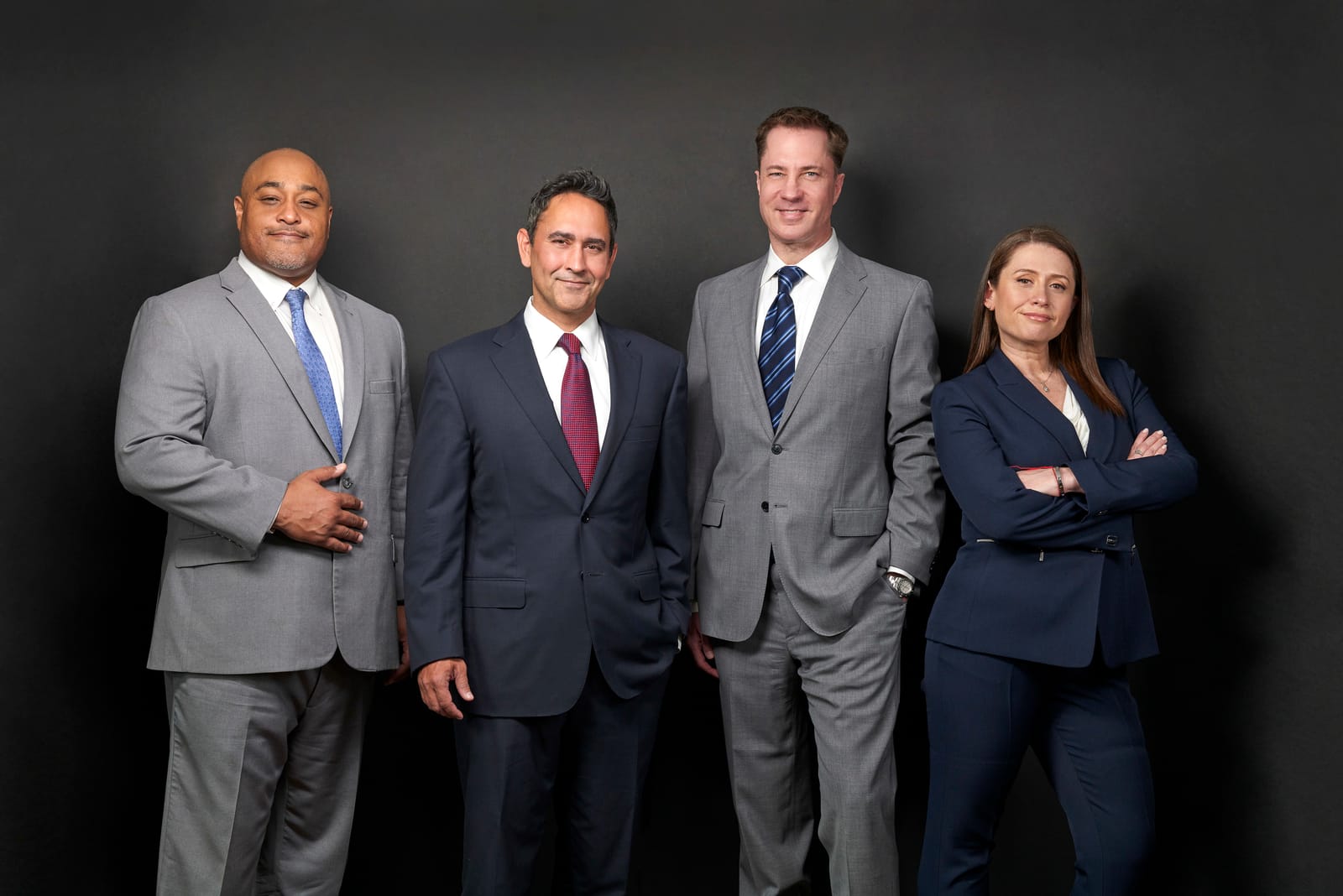
Health Law Alliance handles the response and any parallel appeal, licensing matter or referral as one coordinated matter, so the strategy does not change hands as the matter moves between forums.
The bench includes a former Assistant U.S. Attorney nominated for the DOJ Director's Award, senior healthcare-company counsel, and attorney-providers with experience across healthcare audits and investigations.

Agency and company marks identify former professional experience of individual HLA team members. They do not imply affiliation, endorsement, or a client relationship.
If any of these describe your pharmacy, you are already in the audit pool - whether or not the notice has arrived.
Outcomes are summarized for confidentiality. Client names, precise geography, and identifying facts are redacted.
Recoupment Reversed
OptumRx full-scope audit across three fill years on high-cost specialty medications.
Attorney advertising. Prior results do not guarantee a similar outcome. Case summaries are generalized for confidentiality and are not a substitute for legal advice on your specific audit.
Seven questions that come up on almost every first call.
Before you write a single page of your written response, have a privileged conversation with attorneys who have overseen 2,000+ audits - from both sides of the table. Free, confidential, no retainer.