51 JFK Parkway, Short Hills, NJ 07078
Peptide Law · 503A / 503B Pathways · Telehealth Platforms · FDA PCAC · API Sourcing

Peptide Attorneys

Compounding pathways, platform structures, and FDA strategy for the peptide market.

The peptide market is growing faster than the rules that govern it. FDA's Pharmacy Compounding Advisory Committee has been evaluating which peptides belong in the 503A compounding pathway, a docket that drew close to 2,000 public comments, and the rulemaking that follows could take one to two years. A federal-state Memorandum of Understanding on interstate distribution is on the horizon, and state boards are pushing for tighter guardrails. What is lawful today is substance-specific and date-specific.

Health Law Alliance advises the people building this market: 503A pharmacies, 503B outsourcing facilities, and the telehealth and wellness platforms that dispense through them. And when FDA or a state board starts asking questions, we defend the same programs we help design. The bench includes attorney and pharmacist Martha Rumore, a registered patent attorney with 200+ publications in FDA, DEA, and pharmacy law.

200+
Publications by Our Bench in FDA & Pharmacy Law
503A/B
Both Compounding Pathways Advised Nationwide
PharmD + JD
Pharmacist-Attorney on the Bench
24/7
Availability for Inspections & Deadlines
Peptide Practice Direct Line
(800) 345 - 4125
Speak with an attorney - not a call center. Available 24/7.
Former officials from the agencies regulating your facility
U.S. Department of Justice
DOJ
FBI
FBI
HHS OIG
HHS-OIG
DEA
DEA
McKesson
McKesson
NAMFCU
NAMFCU
U.S. Treasury
Treasury
The Stakes

Peptides sit in the least settled corner of drug regulation

The commercial opportunity is real and so is the enforcement attention. Three exposures define the peptide market right now.

  • Enforcement from FDA, state boards, and private plaintiffs
  • Rules that change while your program is running
  • Platform structures that fail on legal design, not demand
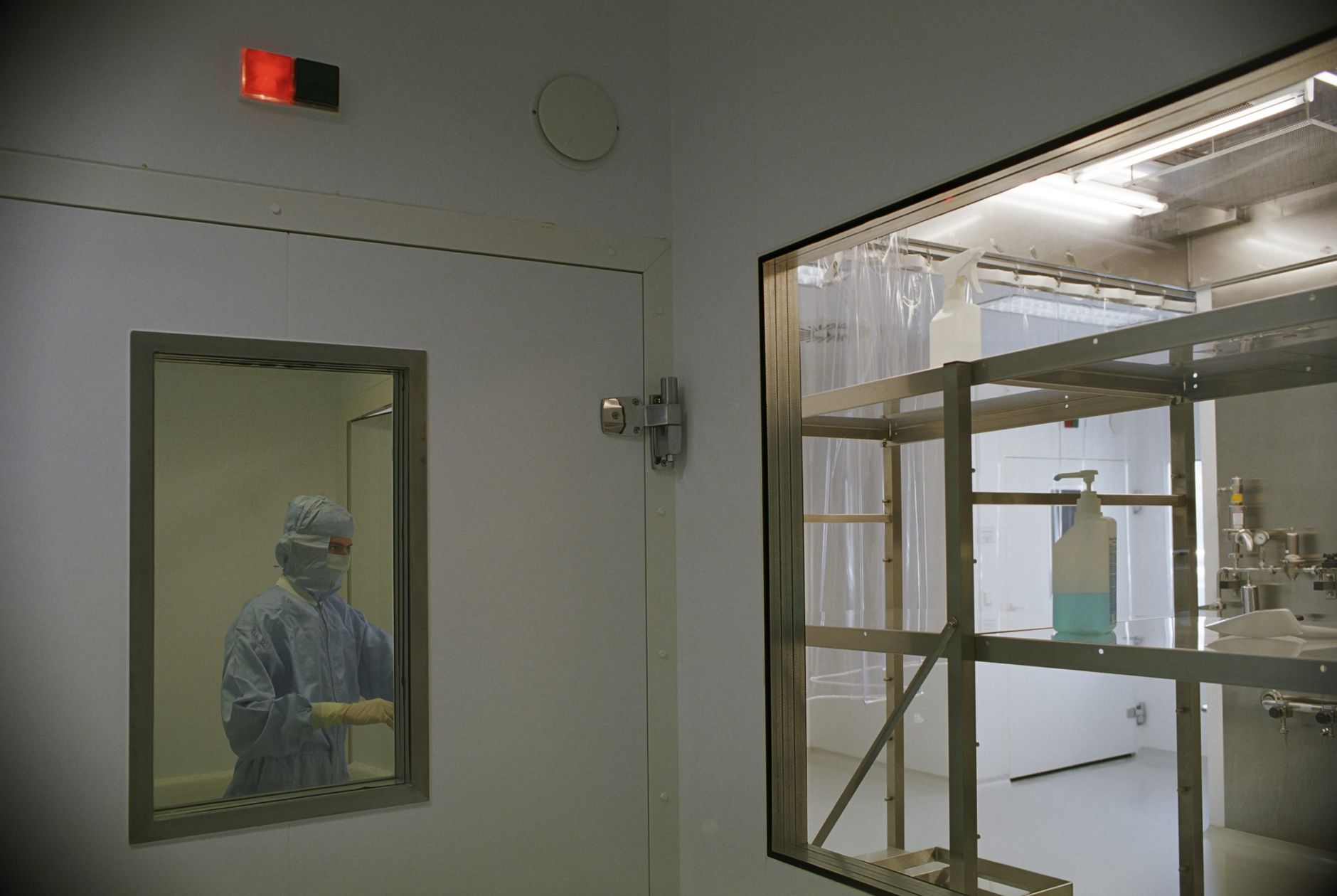
Sterile compounding cleanroom
Compounding under scrutiny
01
Enforcement arrives from three directions at once

FDA polices adulteration, misbranding, and unapproved drug claims, and its inspection findings escalate from a Form 483 to a Warning Letter. State boards of pharmacy control the licenses. Marketing claims draw FTC and state attorney general attention, with product liability plaintiffs close behind. A peptide matter is rarely a one-regulator matter.

Regulatory Exposure
02
The rules can change while your program is running

PCAC recommendations, Bulks List rulemaking, enforcement discretion categories, and a proposed interstate MOU are all in motion at once. A program that is compliant at launch can be offside within a quarter, and enforcement looks at the rule in effect on each dispense date. Programs need to be built for the rule that is coming, not just the one on the books today.

Moving Target
03
Platform structure is where peptide businesses actually fail

Prescriber independence, corporate practice of medicine, MSO fee design, anti-kickback exposure, and the compliance posture of the partner pharmacy. Enforcement and private litigation unwind sloppy structures long after launch, and restructuring under investigation costs multiples of structuring correctly.

Structural Risk
Why Peptide Work Is Different

Peptide law runs on a different framework than standard pharmacy work

Four structural features make peptide matters uniquely complex, and uniquely manageable if the program is designed around them.

Factor 01
The pathway question is substance by substance.
Whether a given peptide can be compounded turns on its individual status: nominated, under PCAC evaluation, listed, or outside the pathway entirely, and the answer moves as FDA acts. There is no blanket rule for "peptides". Our bench tracks the docket in detail; see our analysis of the PCAC peptide meetings on the blog.
Factor 02
API source decides more than price.
Pharmaceutical-grade API from an FDA-registered supplier with a verifiable certificate of analysis is defensible sourcing. Research-use-only material is not lawful for human compounding, and RUO sourcing is among the fastest routes to an FDA finding, a board referral, and uninsurable product liability. Supplier files should be built the way you would want to produce them.
Factor 03
Platform deals import bodies of law pharmacy people rarely see.
Telehealth and white-label arrangements bring corporate practice of medicine, MSO structuring, the federal anti-kickback statute, state telehealth modality rules, and advertising law into what looks like a pharmacy transaction. The pharmacy piece can be perfect while the platform piece sinks the business.
Factor 04
Pharmacist-attorney and registered patent attorney bench.
Health Law Alliance is one of a small number of firms in the country with a credentialed pharmacist-attorney on the bench (Dr. Martha Rumore, Pharm.D., J.D., Esq.) who is also a registered patent attorney. The dual credential is rare in the compounding defense bar and matters when the substantive question turns on pharmaceutical formulation, IP boundaries, or interpretation of FDA technical guidance.
"Every peptide program we defend was designed by someone. The inexpensive time to involve counsel is while the design can still change."
Get Answers Before You Launch →
The HLA Process

A four-stage protocol that runs from design to defense

Our bench includes Dr. Martha Rumore (pharmacist-attorney + registered patent attorney + 200+ publications in FDA, DEA, and pharmacy law) and a former Assistant U.S. Attorney nominated for the DOJ Director's Award. This is the protocol.

  • Regulatory posture map
  • Pathway & structure design
  • Program documentation
  • Enforcement defense
Pharmacist at prescription shelves
Pharmacy interior
01
Regulatory posture map

What you offer or plan to offer, the substances involved and their current federal status, the states in play, and the structure you operate through. The output is a concrete read on what is defensible today and what depends on pending rulemaking.

02
Pathway and structure design

503A, 503B, or a vetted partner pharmacy. Prescriber and MSO structure for platform models. Sourcing standards and state licensure sequencing. Designed against cGMP, USP 797, and board expectations rather than around them.

03
Paper the program

Supplier qualification files and certificates of analysis, prescription-integrity documentation, marketing and claims sign-off, and the records a board or FDA will ask for first. If the program is ever inspected, the file answers before you do.

04
Defense when the letter arrives

Form 483 responses, Warning Letter strategy, state board proceedings, and DEA coordination where controlled substances are involved, handled as one matter across every forum by the pharmacist-attorney and former-prosecutor bench.

Enforcement Triggers

The six patterns that put a peptide operation on a regulator's list

If any of these describe your operation, assume you are visible to FDA and the state board whether or not anyone has contacted you yet.

01
Research-use-only or unverifiable API sourcing.
Purchasing peptide API graded for laboratory research, or from suppliers who cannot produce a verifiable certificate of analysis, is the single fastest trigger. Regulators read the sourcing decision as the compliance posture of the entire program.
02
Dispensing patterns that do not look patient-specific.
Under 503A, compounding follows a valid patient-specific prescription. Volume patterns, standing protocols, or platform order flow that suggest stock production under a 503A license draw both FDA and board attention.
03
Disease and treatment claims in the marketing.
Healing, longevity, weight, and performance claims convert a compounded preparation into an unapproved new drug in the agency's framing. Those claims are collected from your website and social channels before anyone contacts you.
04
Prescribing that is not clinically independent.
Platforms where the prescriber approves whatever the intake funnel sends, at volume, without genuine examination or judgment, are the center of current telehealth enforcement. The pharmacy filling those orders shares the exposure.
05
Shipping ahead of state licensure.
Nonresident pharmacy licensure, state telehealth rules, and board registration have to precede the order flow, state by state. Interstate volume ahead of licensure is exactly what the proposed FDA-state MOU is designed to surface.
06
Prior findings with a follow-up inspection coming.
A prior Form 483, Warning Letter, or board matter puts the operation on a revisit list, and the revisit is measured against the corrective actions you promised. An unexecuted corrective action plan is worse than none.
Compounding and Peptide Defense Outcomes

Representative Case Results

Outcomes are summarized for confidentiality. Client names, precise geography, and identifying facts are redacted.

Case files Form 483 Closed
FDA Form 483 Closed Without Warning Letter Escalation.

A 503A compounding pharmacy received an FDA Form 483 with multiple observations following an unannounced inspection, including beyond-use date assignment challenges. HLA addressed each observation in a privileged 15-business-day written response with corrective action plans tied to the substantive USP 797 and DQSA framework. FDA closed the matter without escalating to a Warning Letter.

Compounding pharmacy · 2026
Pharmacy interior No Discipline
Compounded GLP-1 Defense - State Board Closes Without Discipline.

A compounding pharmacy was referred to the state board of pharmacy following a complaint regarding compounded GLP-1 dispensing during the FDA shortage period. HLA's response to the board reconstructed the dispense-date Bulks List status, the underlying patient-specific prescriptions, and the USP 797 compliance posture. The state board closed the matter with no discipline.

Northeast compounding pharmacy · 2025
Document closure Resolved
503B Outsourcing Facility cGMP Inspection - Resolved Through Remediation.

A 503B outsourcing facility received FDA Inspectional Observations citing cGMP gaps in process validation and environmental monitoring. HLA coordinated the written response, the remediation plan, and the follow-on FDA communication. The matter resolved through documented remediation without escalation to a Warning Letter or consent decree.

503B outsourcing facility · 2025

Attorney advertising. Prior results do not guarantee a similar outcome. Case summaries are generalized for confidentiality and are not a substitute for legal advice on your specific matter.

The Firm
We Used to Work for Them.
Now We Fight for You.
Client Reviews
What Clients Say
  1. Anthony's background as a former federal prosecutor and executive for major healthcare companies provided a level of expertise and insight that made all the difference. His deep understanding of healthcare law, particularly in litigation and compliance matters, helped navigate complex legal issues with ease.
Peptide Law FAQ

Frequently Asked Questions

Seven questions that come up on almost every first call.

Is it legal to compound peptides? +
It depends on the specific peptide, the pathway, and the date. Some peptides are eligible for compounding, others are under active FDA evaluation through the Pharmacy Compounding Advisory Committee, and others fall outside the lawful pathways entirely. Under 503A the compounding must also follow a valid patient-specific prescription, and state board rules overlay everything. The honest answer is substance by substance, and it changes as FDA acts, which is why a peptide program needs a review tied to what you actually plan to compound.
What is the FDA PCAC and why does it matter for peptides? +
The Pharmacy Compounding Advisory Committee advises FDA on which bulk drug substances may be used in compounding. Its recent peptide meetings drew close to 2,000 public comments, and in places the committee's recommendations departed from FDA staff positions. The rulemaking that follows could take one to two years, and FDA may use enforcement discretion categories as a bridge in the meantime. The practical effect is that more clarity is coming for peptide compounding, and the operators who position their programs now will be the ones able to move when it lands.
Can I sell peptides through a telehealth or wellness platform? +
The structure decides. A lawful platform model needs genuine prescriber independence, a compliant MSO or corporate structure in corporate-practice-of-medicine states, fee arrangements that survive anti-kickback analysis, a dispensing pharmacy whose own compliance you have verified, state telehealth and licensure coverage for everywhere you ship, and marketing that stays inside claim limits. Platform businesses fail on these design points far more often than on demand.
What is the difference between pharmaceutical grade and research use only peptides? +
Pharmaceutical-grade API comes from an FDA-registered supplier with a verifiable certificate of analysis and is the defensible source for human compounding. Research-use-only material is produced for laboratory work, is not lawful for human use, and using it exposes the operation to FDA action, state board discipline, and product liability that insurance may not cover. Where your API comes from is the first question a regulator asks, so it should be the first question you can answer.
Do I need a 503A pharmacy or a 503B outsourcing facility for a peptide program? +
503A pharmacies compound patient-specific prescriptions under state board licensure with FDA oversight. 503B outsourcing facilities register directly with FDA, can produce office stock in volume, and carry cGMP obligations. Which one fits depends on who you sell to and at what scale, and many platform businesses should not own either: the better structure is often a carefully diligenced partner pharmacy. That is a design decision worth making deliberately rather than inheriting.
FDA or the state board has contacted my peptide business. What should I do first? +
Treat the first contact as the start of the record. Inspection observations, a Form 483, a Warning Letter, or a board inquiry each carry response windows, and the quality of the first written response substantially shapes whether the matter closes or escalates. Engage counsel before responding, preserve your records, and do not walk an investigator through the program unprepared. These matters usually run in more than one forum at once, and the responses need to agree with each other.
Does HLA have anyone with pharmacist credentials on the bench? +
Yes. Dr. Martha Rumore is a nationally recognized pharmacist-attorney and registered patent attorney with over two decades in FDA regulatory, DEA, Board of Pharmacy, and pharmaceutical IP matters. She advises on 503A and 503B compounding (particularly GLP-1s and peptides), DQSA compliance, and the full spectrum of FDA matters from API importation through medication safety. She teaches Food, Drug & Cosmetic Law at Hofstra University's Maurice A. Deane School of Law. She has authored more than 200 publications and presentations in FDA, DEA, and pharmacy law. Her dual pharmacist-attorney and patent attorney credentials are rare in the compounding defense bar.

Speak with Peptide Counsel Today

Get a privileged read on your program before a regulator gives you one

Whether you are designing a peptide offering or answering a letter about one, have the privileged conversation first. We will tell you what is defensible, what is not, and what to fix before FDA or the board finds it. Free, confidential, no retainer.


"HLA closed our FDA Form 483 in the 15-day response without escalation to a Warning Letter. The substantive response addressed each observation under the right regulatory framework. The pharmacist-attorney on their bench made the difference." - 503A Compounding Pharmacy Owner (2026)
Building or defending a peptide program? Talk to counsel before the next step.