51 JFK Parkway, Short Hills, NJ 07078
Qlarant Defense · Midwest · Southeast · Western UPIC · Statistical Extrapolation

Qlarant UPIC Audit Defense

Defense against PBM crackdowns on Mounjaro, Zepbound, and GLP-1 claims.

Qlarant is the Unified Program Integrity Contractor (UPIC) for three CMS jurisdictions: Midwestern, Southeastern, and Western. The geographic breadth makes Qlarant the most-encountered UPIC across HLA's practice.

Qlarant's audit posture is similar to other UPICs structurally - document request, postpayment review with statistical extrapolation, prepayment review notices, focused medical review, and referrals to HHS-OIG and DOJ - but the procedural conventions, the document request format, and the working relationships with the local U.S. Attorneys' offices vary by jurisdiction within the Qlarant footprint. Health Law Alliance defends Qlarant UPIC audits across all three jurisdictions. Defense framework calibrates to the specific jurisdiction within the Qlarant footprint.


$4.7M
Largest GLP-1 Recoupment Reversed
96%
Of Reviewed Findings Overturned on Appeal
1,500+
Pharmacy Audits Overseen by Our Bench
24/7
Availability - Audit Notices Don't Wait
Audit Hotline - Direct Line
(800) 345 - 4125
Speak with an attorney - not a call center. Available 24/7.
Former officials from the agencies & PBMs auditing your pharmacy
U.S. Department of Justice
DOJ
FBI
FBI
HHS OIG
HHS-OIG
DEA
DEA
OptumRx
OptumRx
McKesson
McKesson
NAMFCU
NAMFCU
U.S. Treasury
Treasury
The Stakes
A flagged GLP-1 script doesn't end at a recoupment letter

By the time the PBM sends the notice, the downstream exposure is already stacked. Here's what you're actually defending against.

  • Six- and seven-figure recoupments
  • Network termination & credentialing loss
  • Referrals to DEA, DOJ & state boards
Case files binders
Case files
01
Six- and seven-figure recoupments

Zepbound and other weight-loss-indicated GLP-1s claims routinely reimburse at $1,000 to $1,400 per fill. A 12-month look-back across 200 to 400 patients produces recoupment demands of $250K to $4M+. PBMs will also extrapolate findings across your full GLP-1 book.

Financial Exposure
02
Network termination & credentialing loss

OptumRx and Caremark are using GLP-1 audits as grounds for termination for cause. That designation follows you across every network and can end your Medicare Part D, Medicaid MCO, and commercial access - often within 30 days.

Network Access
03
Referrals to DEA, DOJ & state boards

Compounded semaglutide and tirzepatide dispensing is a DEA / FDA / state board tripwire. A PBM finding can become a civil investigative demand, a state board complaint, or a federal healthcare fraud investigation within weeks.

Regulatory & Criminal Risk
Why GLP-1 Audits Are Different
GLP-1 audits run on a different playbook than standard brand-drug audits

Four factors make GLP-1 recoupments uniquely dangerous - and uniquely defensible, if you know where the PBM is actually vulnerable.

Factor 01
Medical-necessity re-adjudication.
PBMs now retro-review prior auths using post-hoc chart notes. An approved PA from 2024 can be "invalidated" in 2026. Defense requires pulling the original PA rationale and the plan's own clinical criteria in force at the time of fill.
Factor 02
BMI & comorbidity documentation gaps.
Zepbound (tirzepatide) require BMI ≥30 (or ≥27 with comorbidity). PBMs flag any chart note missing a contemporaneous BMI, A1C, or comorbidity diagnosis - including notes the prescriber's office, not the pharmacy, is responsible for producing.
Factor 03
Prior-auth & step-therapy scrutiny.
Auditors are reconstructing the step-therapy chain - metformin trials, lifestyle counseling, prior GLP-1 titration. Missing any link triggers a clawback. We obtain and reconstruct the full PA record from the PBM's own adjudication logs.
Factor 04
Compounded semaglutide gray zone.
Even after FDA's October 2024 resolution of shortage status, dispensing records before and during the shortage face aggressive second-guessing. Compounding claims also sit at the DEA / state board intersection - defense must address all three simultaneously.
"By the time the audit letter arrives, you have 30 days. The pharmacies that win are the ones that mobilize in the first 72 hours."
Protect Your Pharmacy Now →
The HLA Defense Process
A four-stage protocol built by the people who ran these audits

Our bench includes former OptumRx senior leadership and a former prosecutor. We know the audit workflow because we wrote it. This is how we dismantle it.

  • Notice triage & deadline lock
  • Chart-level defense build
  • Level-1 & Level-2 appeal response
  • Litigation & regulatory containment
Federal government building
Federal enforcement
01
Notice triage & deadline lock

Within 24 hours: parse every deadline in the audit notice, place a litigation hold on the claims at issue, and preserve adjudication logs before the PBM rotates them out.

02
Chart-level defense build

Claim-by-claim reconstruction: prescriber PA rationale, plan criteria at time of fill, BMI/A1C/comorbidity support, step-therapy chain, and compounding regulatory posture. Every flagged script gets its own defense memo.

03
Level-1 & Level-2 appeal response

We draft and file the written appeal, quantify the PBM's extrapolation errors, and negotiate directly with the auditor and network relations - using relationships and playbooks from our time inside the PBM.

04
Litigation & regulatory containment

If the PBM refuses a reasonable resolution, we file in federal court and pair the suit with regulatory defense at DEA, FDA, and the state board - so a PBM dispute does not escalate into a license action.

Common Audit Triggers
The six patterns that put your pharmacy on the PBM's GLP-1 list

If any of these describe your 2024 to 2026 GLP-1 dispensing activity, you are already in the audit pool - whether or not the notice has arrived.

01
GLP-1 dispensing volume above specialty benchmarks.
PBM analytics flag pharmacies whose GLP-1 share of revenue exceeds 18 to 22% of total Rx volume - especially independents and small chains.
02
Telehealth-clinic prescriber concentration.
Scripts from telehealth weight-loss clinics (Ro, Found, Sequence, Noom Med) are being retrospectively scrutinized for PA validity and patient-prescriber continuity.
03
Out-of-state dispensing patterns.
High percentages of out-of-state shipments - common in compounding and mail-order models - trigger both PBM and state board review.
04
Compounded semaglutide / tirzepatide claims.
Any billing of compounded GLP-1s to a commercial plan - especially after the October 2024 shortage-list change - is now near-automatically audited.
05
Missing BMI or comorbidity in chart notes.
Even a single sampled fill without a contemporaneous BMI note (for Zepbound (tirzepatide)) can be extrapolated across the full look-back period.
06
Prior complaints or probation with the state board.
Pharmacies with any open or recent state board matter are prioritized for PBM audits - because the PBM can rely on the state's record as corroborating exposure.
Recent GLP-1 Outcomes
Representative Case Results

Outcomes are summarized for confidentiality. Client names, precise geography, and identifying facts are redacted.

Case files Recoupment Reversed
OptumRx GLP-1 Audit - $4.7M Demand Reduced to $180K.

Multi-location independent pharmacy faced an OptumRx full-scope GLP-1 audit covering 2023 to 2025 semaglutide and tirzepatide claims. HLA reconstructed the PA chain for every flagged fill and documented extrapolation errors; final settlement reflected a 96% reduction.
Southeast · 3 locations · 2026
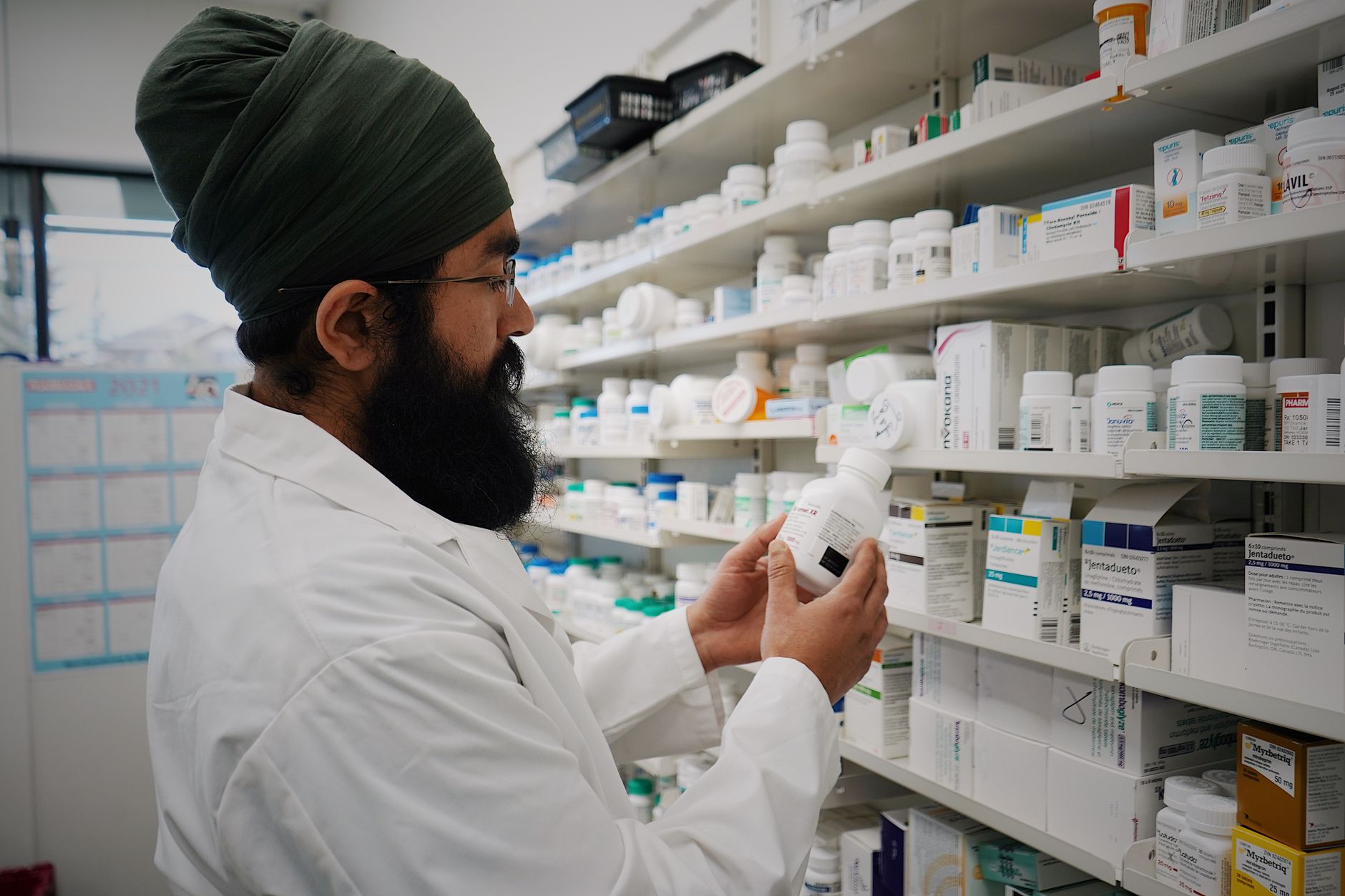
Pharmacy interior Network Reinstated
Caremark Termination Notice - Full Network Reinstatement.

Single-location pharmacy received a Caremark "termination for cause" tied to compounded semaglutide dispensing during the FDA shortage period. HLA's appeal brief led to full reinstatement across Caremark, SilverScript and Aetna networks without a recoupment.

Northeast · 1 location · 2025
Document closure State Board Closed
State Board of Pharmacy Referral - Investigation Closed, No Action.

Compounding pharmacy was referred to the state board by an Express Scripts auditor alleging off-label tirzepatide dispensing. HLA's regulatory response demonstrated full compliance with USP 797 and FDA guidance in effect at the time; the board closed the matter with no discipline.

Midwest · 1 location · 2025

Attorney advertising. Prior results do not guarantee a similar outcome. Case summaries are generalized for confidentiality and are not a substitute for legal advice on your specific audit.

The Firm
We Used to Work for Them.
Now We Fight for You.
Client Reviews
What Clients Say
  1. Anthony's background as a former federal prosecutor and executive for major healthcare companies provided a level of expertise and insight that made all the difference. His deep understanding of healthcare law, particularly in litigation and compliance matters, helped navigate complex legal issues with ease.
GLP-1 Audit FAQ
Frequently Asked Questions

Seven questions that come up on almost every first call.

I just received an OptumRx or Caremark GLP-1 audit notice. How long do I have? +
The written response window is typically 30 days from the date on the notice, but document-production deadlines inside the notice are often shorter - sometimes as little as 10 business days. The first 72 hours are the most important: preserve the flagged claims' adjudication logs, identify every prescriber of record, and put a litigation hold in place. Missing the production deadline can waive your ability to appeal on the merits.
How do PBMs pick which pharmacies to audit for GLP-1 claims? +
Analytics first, complaints second. PBM data teams rank pharmacies by GLP-1 share of total revenue, telehealth-clinic prescriber concentration, out-of-state dispensing percentage, and any compounded-semaglutide billing. A pharmacy in the top decile on any two of those metrics has a meaningfully elevated audit probability regardless of actual compliance posture.
My claims had approved prior auths. Can the PBM still recoup? +
Yes - and this is the single most misunderstood part of GLP-1 audits. PBMs are invoking contractual "right to audit" provisions to re-review previously approved PAs against the plan's clinical criteria in force at the time of fill. The defense is to pull the PBM's own adjudication rationale and the plan's published criteria for that dispense date. An approved PA is evidence, not a safe harbor, but it's strong evidence when defended properly.
What about compounded semaglutide or tirzepatide? Is there any defense? +
Yes, and it's fact-specific. Compounding during an FDA-declared shortage operates under 503A / 503B pathways that PBMs routinely mis-apply post hoc. The defense looks at shortage status on the dispense date, the prescriber's documented medical-necessity rationale, USP 797 compliance, and state board posture. Compounded-GLP-1 matters typically need coordinated PBM, DEA / FDA, and state board defense - which is our core practice.
Will engaging counsel make the PBM more aggressive? +
In our experience, the opposite. PBM audit teams close matters faster - and at much lower recoupment figures - when the pharmacy is represented by counsel with a track record of federal litigation. Our attorneys include former OptumRx senior executives; audit teams recognize when a file is being defended on a path to federal court versus processed like a typical pharmacy response, and the settlement posture changes accordingly.
What does HLA cost, and how is the engagement structured? +
We scope each matter individually. A typical GLP-1 audit defense is a flat-fee engagement tied to the phase of work (notice response, appeal, litigation), so you know your exposure upfront. For pharmacies facing potential termination, we offer expedited emergency engagement. Every engagement starts with a free, privileged consultation - no retainer required.
I haven't been audited yet, but I'm worried. Is it too early to call? +
No - it's the right time. Proactive review is dramatically cheaper than reactive defense. We offer a GLP-1 compliance audit where our team reviews a sample of your semaglutide / tirzepatide claims against current PBM criteria, identifies the fills most likely to be flagged, and helps you remediate documentation gaps before a PBM notice arrives. Every pharmacy owner we've put through this has told us it was the single highest-leverage expense of the year.
Speak with an Attorney Today

Get a free, privileged review of your matter before you respond

Before you write a single page of your written response, have a privileged conversation with attorneys who have overseen 1,500+ pharmacy audits - from both sides of the table. Free, confidential, no retainer.

"HLA turned a $3.2M OptumRx recoupment into a $144K settlement. They knew the OptumRx playbook better than OptumRx did - which, given their partner ran audits at Optum, made perfect sense. We would have sold the pharmacy without them." - Owner, 4-Location Independent Pharmacy (Pilot Client, 2026)
Under a GLP-1 audit? Speak with an attorney today.