
The investigative interview usually matters more than the hearing.
Request a Free Case ReviewA medical board matter starts quietly. A complaint, then an investigation, then an invitation to come in and explain. Physicians routinely attend that interview without counsel, believing that a clear explanation will end it. The interview is evidence, and it frequently becomes the strongest part of the board's case.
By the time a formal statement of charges issues, the record is largely set. Consequences reach well past the licence itself: National Practitioner Data Bank reporting is effectively permanent, and hospital credentialing, payer participation, and program eligibility all move with it.

Anthony's background as a former federal prosecutor and executive for major healthcare companies provided a level of expertise and insight that made all the difference. His deep understanding of healthcare law, particularly in litigation and compliance matters, helped navigate complex legal issues with ease.
With upmost professional respect, I will be forever grateful to have such caring individuals as Attorney Anthony Mahajan and Attorney Diana Yastrovskaya who come into my life, even though I am a business owner but I always felt I was treated as a friend and was made reaching out to them with ease.
I had a great experience working with Health Law Alliance. From the very beginning, their team was incredibly helpful, responsive, and professional. They answered all of my questions quickly and kept me informed throughout the entire process.

Anthony and his staff have gone above and beyond. His proactive communication and ability to handle complex legal scenarios effectively have been a significant asset. Highly recommended attorney.

Top-notch attorneys with an unparalleled scope of experience and breadth of knowledge. You will want them in your corner.

Had nothing but great experience from them. Knowledgeable and professional in all aspects. They have a vast knowledge in health care cases, great to be on your side against insurances.

Trustworthy and experienced.
Three consequences physicians consistently underestimate at the start of a board matter.

Physicians attend to clear things up and end up supplying the admissions, timeline, and characterisations the board then relies on. Statements are rarely walked back successfully. Preparation, and sometimes a written response instead of an interview, changes the outcome more than anything that happens later.
Adverse actions are reported to the National Practitioner Data Bank and queried for the rest of a career. A short suspension can be a permanent line on every credentialing application. Whether an outcome is reportable, and in what terms, is often more consequential than its length.
Hospital privileges, payer contracts, malpractice coverage, and federal program eligibility all react to board action, sometimes automatically. Resolving the board matter without planning for the downstream consequences solves the smaller problem.
Four features that separate board matters from litigation physicians may have seen before.

A board complaint is answered on the board’s timetable. The response, and the record filed with it, frames what the board considers at an informal conference or a formal hearing.
The earlier we are involved, the more of the record we can shape.
We establish what the complaint alleges, decide whether to appear or respond in writing, and prepare thoroughly if an interview is right. This is the stage with the most leverage and the one physicians most often go through alone.
Records, standard of care evidence, expert input where it helps, and documented remediation are assembled into a response that addresses the board's actual concern rather than restating the physician's frustration.
Where a consent order is right we negotiate the findings, conditions, duration, and reportability. Where the allegations should be contested we prepare for hearing and preserve the record for judicial review.
NPDB reporting, credentialing notifications, payer disclosures, and multi-state licence reporting are handled as part of the matter, so the resolution does not quietly trigger a second round of problems.
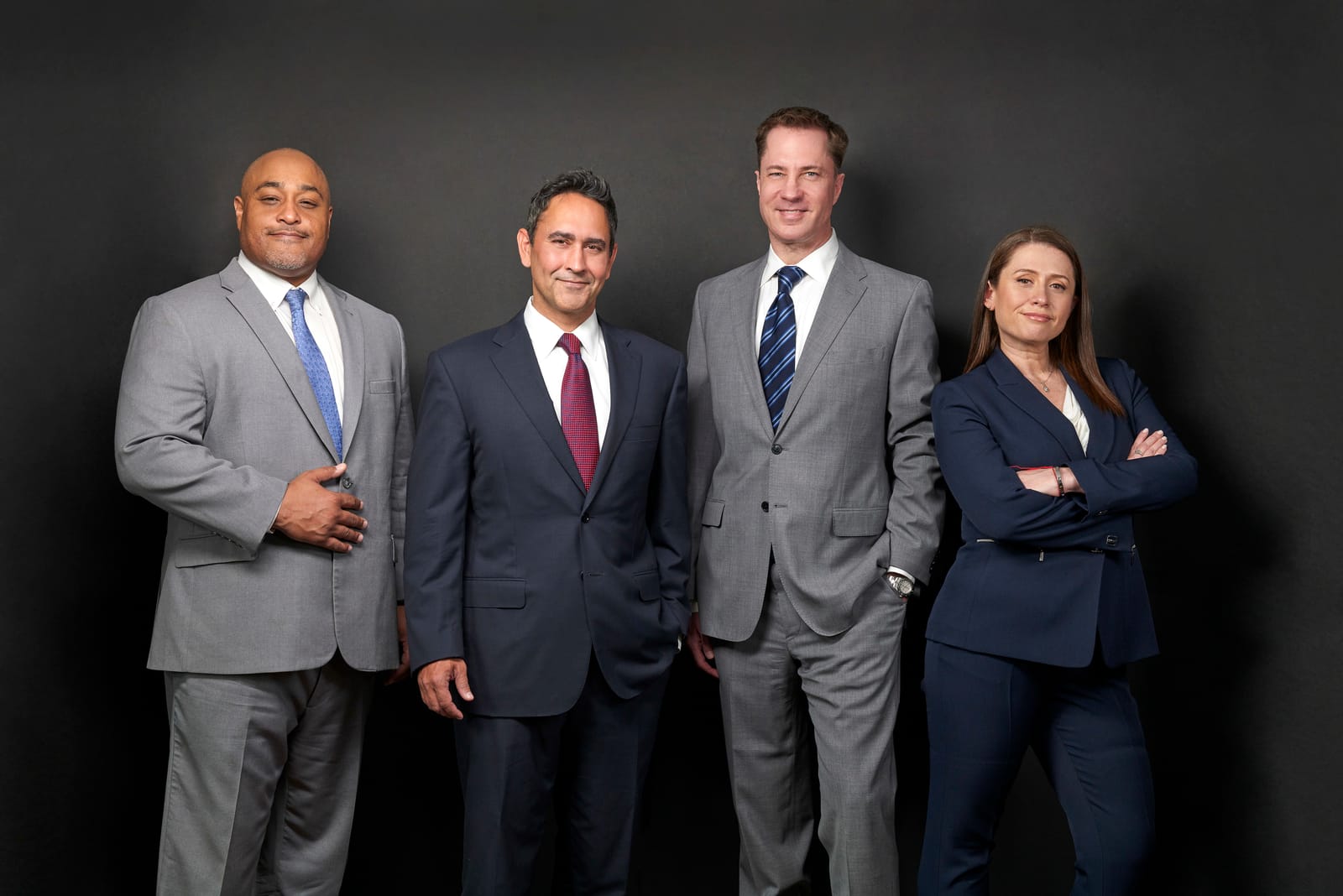
Health Law Alliance handles the response and any parallel appeal, licensing matter or referral as one coordinated matter, so the strategy does not change hands as the matter moves between forums.
The bench includes a former Assistant U.S. Attorney nominated for the DOJ Director's Award, senior healthcare-company counsel, and attorney-providers with experience across healthcare audits and investigations.


Agency and company marks identify former professional experience of individual HLA team members. They do not imply affiliation, endorsement, or a client relationship.
Send us the complaint or the interview request. We will tell you what the board is actually investigating, whether to appear, and what to have in place first. Free, confidential, no retainer.