
Behavioral health audits are documentation audits. The service is rarely disputed; whether the record proves it usually is.
Request a Free Case ReviewBehavioral health has become a concentrated audit target across Medicaid and Medicare, and the findings are strikingly consistent: medical necessity not established, session notes that do not support the units billed, treatment plans that are stale or generic, and services delivered by staff whose credentialing or supervision does not meet the payer’s requirement.
There is also a problem the rest of healthcare does not face. Substance use disorder records are governed by 42 C.F.R. Part 2, which restricts disclosure well beyond ordinary privacy rules. Producing records to an auditor without working through Part 2 first creates a second, separate exposure on top of the audit.

Anthony's background as a former federal prosecutor and executive for major healthcare companies provided a level of expertise and insight that made all the difference. His deep understanding of healthcare law, particularly in litigation and compliance matters, helped navigate complex legal issues with ease.
With upmost professional respect, I will be forever grateful to have such caring individuals as Attorney Anthony Mahajan and Attorney Diana Yastrovskaya who come into my life, even though I am a business owner but I always felt I was treated as a friend and was made reaching out to them with ease.
I had a great experience working with Health Law Alliance. From the very beginning, their team was incredibly helpful, responsive, and professional. They answered all of my questions quickly and kept me informed throughout the entire process.

Anthony and his staff have gone above and beyond. His proactive communication and ability to handle complex legal scenarios effectively have been a significant asset. Highly recommended attorney.

Top-notch attorneys with an unparalleled scope of experience and breadth of knowledge. You will want them in your corner.

Had nothing but great experience from them. Knowledgeable and professional in all aspects. They have a vast knowledge in health care cases, great to be on your side against insurances.

Trustworthy and experienced.
Behavioral health audits seldom turn on whether treatment was appropriate. They turn on whether the record establishes medical necessity, whether the note supports the time billed, whether the treatment plan was current, and whether the person delivering the service was qualified and supervised as the program required. Findings extrapolate, and where the pattern suggests services billed but not delivered, the matter moves from overpayment into fraud territory quickly.

Where units are time-based, the note has to establish the duration. Notes that record a service but not its length, or that are identical across sessions and patients, produce denials at scale because the same defect repeats across the population.
Services delivered by unlicensed or provisionally licensed staff depend on the supervision arrangement meeting the payer’s requirement, and on that being documented. Where it is not, the service is denied even though it was clinically appropriate and actually delivered.
Cloned notes, sessions billed on days a patient was not present, and units that exceed what the day could physically contain are read as evidence of intent rather than error. That is the point at which an audit becomes a fraud investigation.
Four features make behavioral health review distinct.
The first response is not a routine administrative task. It establishes the documents, timing, and record the contractor can later use in its findings and on appeal.
Four stages, starting before anything is produced.

We identify which programme rules apply, what the reviewer is measuring against, and whether any of the records requested are Part 2 protected. That determines what may lawfully be produced and on what basis.
A sample is reviewed against the specific requirements: medical necessity established, treatment plan current and individualised, note supporting the units billed, and the deliverer credentialed and supervised as required.
Records are produced organised to the request with the required elements identified. In parallel, prospective documentation, supervision records and treatment planning are corrected, because completed remediation is worth far more than an intention to improve.
Adverse findings are taken through the applicable appeal route, and extrapolation is challenged on methodology where it is used. Where findings suggest a pattern rather than a documentation gap, the matter is handled with the fraud exposure in view from the start.
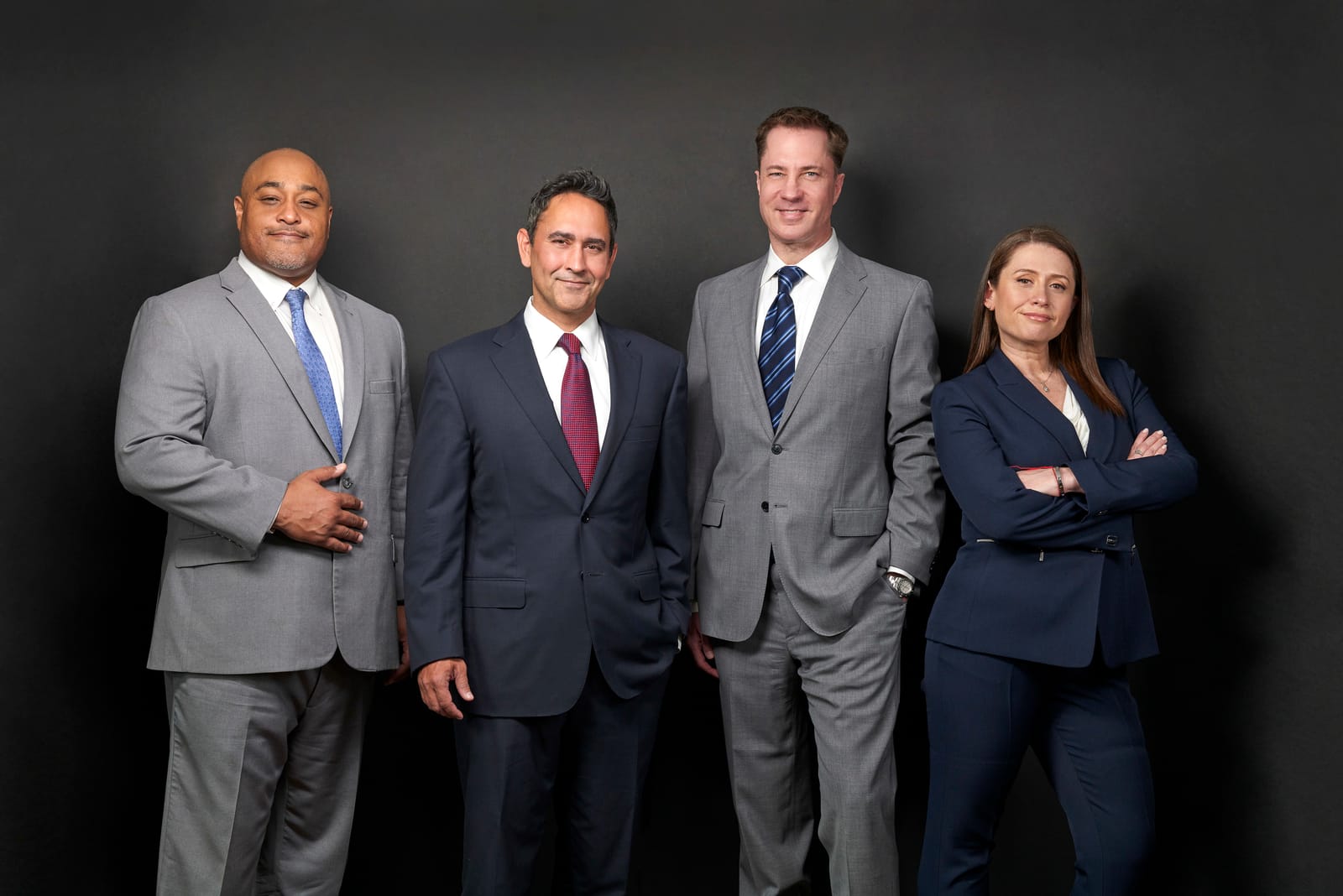
Health Law Alliance handles the response and any parallel appeal, licensing matter or referral as one coordinated matter, so the strategy does not change hands as the matter moves between forums.
The bench includes a former Assistant U.S. Attorney nominated for the DOJ Director's Award, senior healthcare-company counsel, and attorney-providers with experience across healthcare audits and investigations.


Agency and company marks identify former professional experience of individual HLA team members. They do not imply affiliation, endorsement, or a client relationship.
Seven questions that come up on almost every first call. The answers below are general; specific situations require privileged consultation.
Send us the records request and tell us whether substance use disorder services are involved. We will tell you what may lawfully be produced, what the reviewer will measure against, and where the sample is likely to fail. Free, confidential, no retainer.