Who Must Obtain DEA Registration?
Healthcare Professionals Handling Controlled Substances
DEA registration is required for practitioners who prescribe, dispense, administer, or procure controlled substances (Schedules II-V). This applies to physicians, dentists, nurse practitioners, physician assistants, optometrists, podiatrists, veterinarians, and pharmacists. Trainees and residents may operate under an institutional DEA registration.
Veterinary Practices & Relief Vets
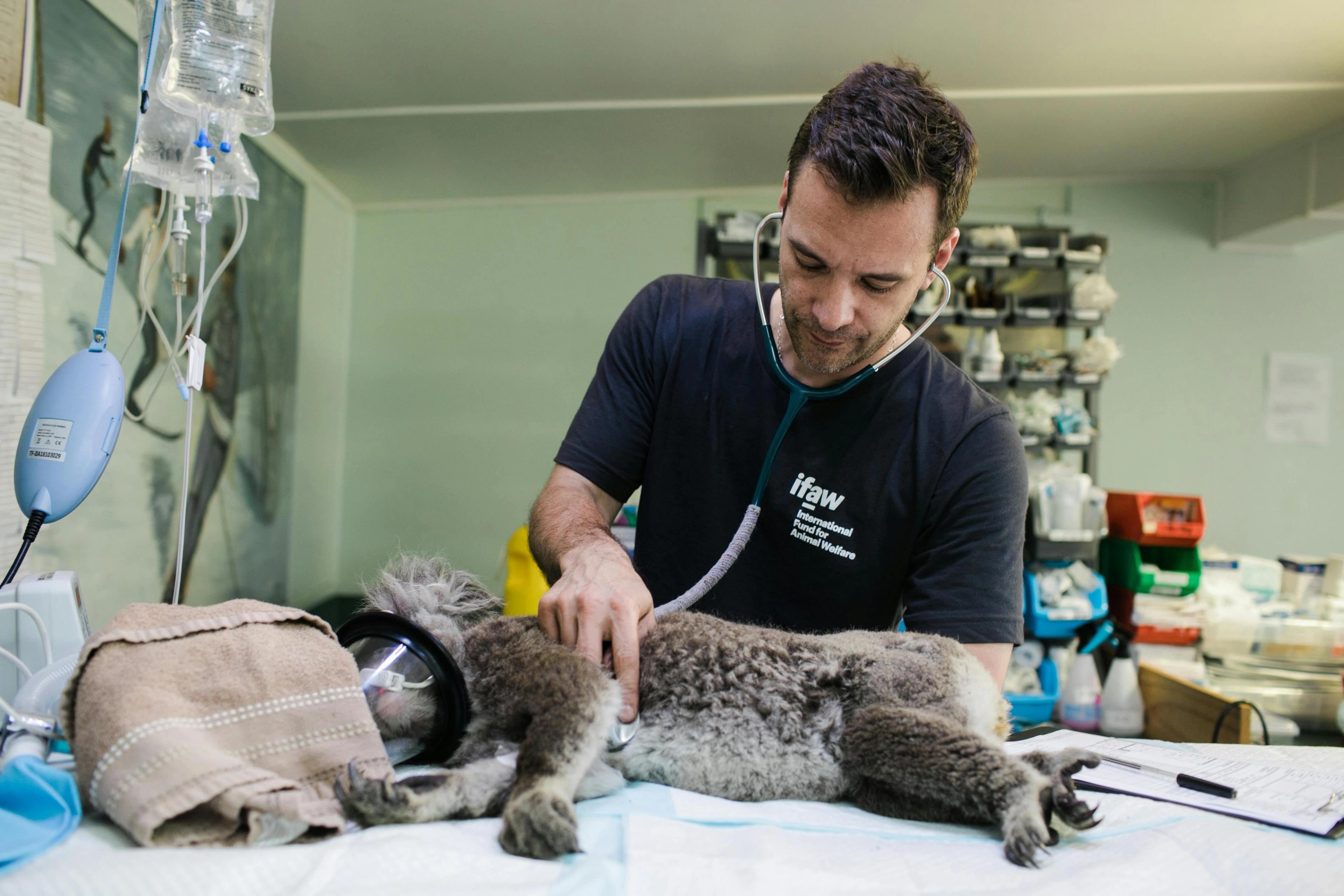
Veterinarians must register individually if they dispense or administer controlled substances. A single DEA registration for a practice does not cover associate or relief veterinarians. Mobile veterinarians are covered under the Veterinary Medicine Mobility Act if transporting up to a seven-day supply. Relief vets must register their home address for DEA purposes unless working under a clinic's registration.
State Licensing Prerequisites
Practitioners must hold an active state medical license and comply with state-controlled substance laws before applying. Military personnel may qualify for a 180-day grace period for license transfers and dual-state DEA registration during Permanent Change of Station (PCS) moves.
Key Application Steps

State Compliance
Practitioners must first secure a state medical license and, if required, a controlled substance permit before applying for a DEA registration.
DEA Form Submission
New applicants must submit Form 224, while renewals require Form 224a. Telemedicine practitioners must submit Form 224S for special registration and notify the DEA of platform or practice changes within 14 days using Form 224S-M.
Common Compliance Pitfalls
Failure to renew registration results in a loss of prescribing privileges. Inaccurate record-keeping, security lapses, and state license issues can lead to enforcement actions. Multi-state practitioners must obtain separate DEA registrations where controlled substances are stored or administered. Common denial reasons include disciplinary actions, payment issues, and address mismatches between NPI, state, and DEA records.
Legal Risks & Defense Strategies
Denial or Revocation Grounds
A DEA registration may be denied or revoked due to felony convictions related to controlled substances, falsified applications, or exclusion from Medicare/Medicaid programs.
Voluntary Surrender Risks
Surrendering a DEA registration is irreversible and may trigger state licensing board investigations or employment termination.
How Can Health Law Alliance Assist
Legal support includes guidance on applications, appeals, and hearings for denials or revocations. We can assist with audit preparedness, record-keeping compliance, and crisis management in DEA investigations. Assistance with SCRA compliance and telemedicine registration is also available.