
Immediate response counsel for search warrants, target letters, and grand jury subpoenas.
Request a Free Case ReviewDOJ recovered $6.8 billion in False Claims Act matters in FY2025, with $5.7 billion from healthcare. Most of those investigations ran for months before the target was notified. By the time the subpoena, target letter, or federal agent arrives, the government has already built the record.
Health Law Alliance was founded by a former federal prosecutor who later served as Chief Compliance Officer at UnitedHealth Group. We defend healthcare professionals and companies under federal investigation, before indictment, after indictment, and through trial.


.png)

Anthony's background as a former federal prosecutor and executive for major healthcare companies provided a level of expertise and insight that made all the difference. His deep understanding of healthcare law, particularly in litigation and compliance matters, helped navigate complex legal issues with ease.
With upmost professional respect, I will be forever grateful to have such caring individuals as Attorney Anthony Mahajan and Attorney Diana Yastrovskaya who come into my life, even though I am a business owner but I always felt I was treated as a friend and was made reaching out to them with ease.
I had a great experience working with Health Law Alliance. From the very beginning, their team was incredibly helpful, responsive, and professional. They answered all of my questions quickly and kept me informed throughout the entire process.

Anthony and his staff have gone above and beyond. His proactive communication and ability to handle complex legal scenarios effectively have been a significant asset. Highly recommended attorney.

Top-notch attorneys with an unparalleled scope of experience and breadth of knowledge. You will want them in your corner.

Had nothing but great experience from them. Knowledgeable and professional in all aspects. They have a vast knowledge in health care cases, great to be on your side against insurances.

Trustworthy and experienced.
Civil exposure. Criminal exposure. Administrative exposure. The same conduct produces parallel proceedings that must be defended as one strategic posture.

Healthcare fraud under 18 USC § 1347 carries up to 10 years per count. Combined with related charges (false statements, wire fraud, money laundering, AKS), potential sentences stack into decades. Personal liability for officers, owners, and clinicians is the rule, not the exception.
False Claims Act per-claim penalties run up to $28,619 per claim, and treble damages apply on top. A 100-claim case can produce $2.8M+ in penalties before damages. Settlements typically reach 1.5x to 3x the alleged false billings.
Conviction triggers automatic Medicare and Medicaid exclusion for 5+ years, often longer. State board action runs in parallel. Even without a conviction, administrative exclusion can follow a settlement, often accompanied by a Corporate Integrity Agreement as the negotiated alternative. Exclusion ends most healthcare careers.
A defense team that does not know how DOJ builds these cases is litigating against a moving target. A team that has prosecuted them knows where the leverage actually sits.
A subpoena or civil investigative demand sets the government’s starting record. What is produced, what is withheld as privileged, and what is preserved shapes the theory investigators build.
Our bench includes a former federal prosecutor (Anthony Mahajan, founding partner) and senior healthcare-company counsel. We know how DOJ builds these cases because we built them. This is how we take them apart.
Within 24 hours: place a litigation hold on every responsive document, identify the universe of records, evaluate parallel exposure (civil + criminal + administrative), and confirm whether any witnesses have already been contacted by the government.
We reconstruct the conduct independently, identify the legal theory the government is most likely to pursue, scope the actual exposure, and prepare the defense narrative. The internal investigation is privileged. The product becomes the foundation of every subsequent move.
Direct presentation to the prosecutor, factual rebuttal of the theory, advocacy for declination or non-prosecution agreement. Most federal healthcare fraud matters never reach trial because pre-charge advocacy resolves them. The presentation is the engagement.
Settlement, deferred prosecution agreement, non-prosecution agreement, or trial preparation. We have taken matters to trial and we have closed them at the indictment stage. The posture stays adaptive until the resolution is signed.
Health Law Alliance handles the response and any parallel appeal, licensing matter or referral as one coordinated matter, so the strategy does not change hands as the matter moves between forums.
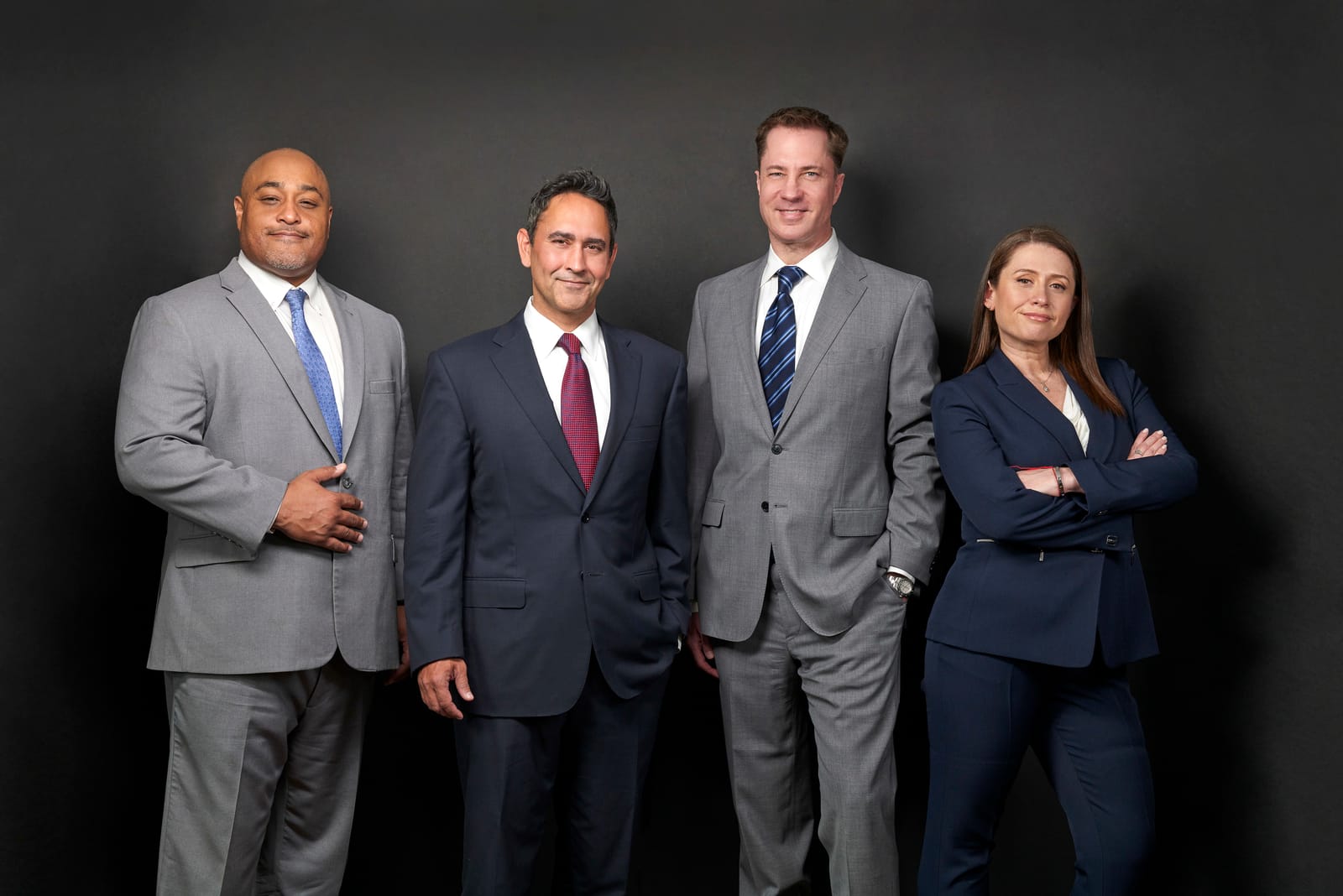
The bench includes a former Assistant U.S. Attorney nominated for the DOJ Director's Award, senior healthcare-company counsel, and attorney-providers with experience across healthcare audits and investigations.


Agency and company marks identify former professional experience of individual HLA team members. They do not imply affiliation, endorsement, or a client relationship.
If any of these describe your situation, the investigation may already be open. The first signal you receive is rarely the first signal that exists.
Outcomes are summarized for confidentiality. Client names, precise geography, and identifying facts are redacted.
Indictment Dismissed
Solo physician faced a multi-count federal indictment for alleged healthcare fraud. Health Law Alliance filed responsive motions, built the procedural record, and challenged the government's theory; the indictment collapsed before trial and the matter was dismissed.
 DOJ Declination
Healthcare company faced alleged $6M healthcare fraud allegations across multiple federal districts. After Health Law Alliance's pre-charge presentation to prosecutors and factual rebuttal of the government's theory, DOJ declined criminal prosecution.
FCA Dismissed
Oncology dispensing practice faced a False Claims Act lawsuit alleging multi-million dollar billing fraud. Health Law Alliance attorney Anthony Mahajan secured dismissal at the pleading stage on grounds that the relator failed to plead the alleged fraud with the particularity required.
Attorney advertising. Prior results do not guarantee a similar outcome. Case summaries are generalized for confidentiality and are not a substitute for legal advice on your specific matter.
Seven questions that come up on almost every first call. The answers below are general; specific situations require privileged consultation.
Before you respond to a subpoena, before you sit for an interview, before you produce a single document, have a privileged conversation with attorneys who prosecuted these cases from inside DOJ. Free, confidential, no retainer.