


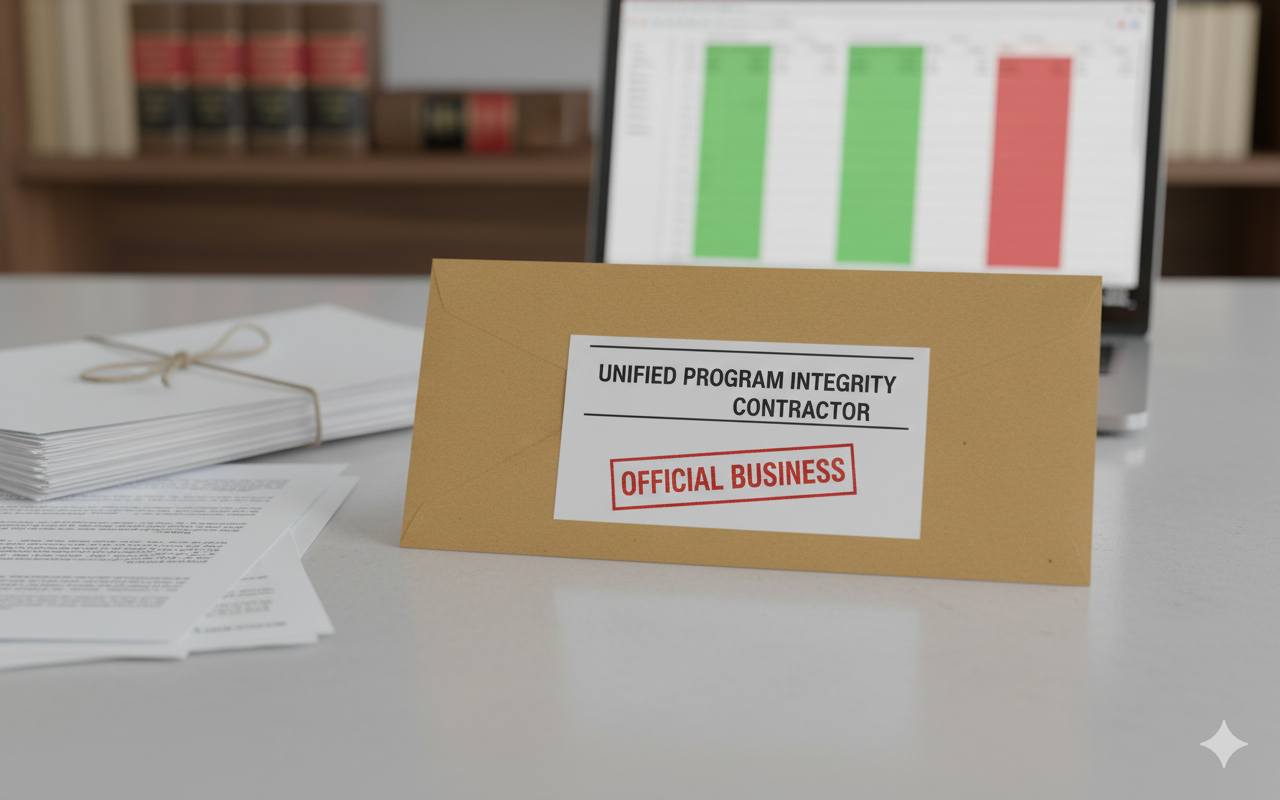
For any durable medical equipment supplier, the sight of a thick envelope from a government contractor demanding medical records is a cause for concern. But not all audits are created equal. While many are familiar with Recovery Audit Contractors (RACs), a letter from a Unified Program Integrity Contractor (UPIC) signals a much more serious and potentially threatening investigation. Understanding the unique role and aggressive tactics of UPICs is crucial for survival in today's enforcement-heavy climate.
The UPIC program divides the country into five jurisdictions, each managed by a specific contractor tasked with overseeing program integrity. The Northeastern and Midwestern jurisdictions are both managed by CoventBridge Group. The Western and Southern jurisdictions are handled by Qlarant. For many DME providers, the most significant contractor is Safeguard Services (SGS), which holds the contract for the national jurisdiction specifically covering Durable Medical Equipment, Prosthetics, Orthotics, and Supplies (DMEPOS). Knowing which UPIC operates in your region is important, as it is the entity that will initiate an investigation if your billing data is flagged.
What truly distinguishes a UPIC audit is the power wielded by the contractor. Beyond standard post-payment reviews where they can demand repayment for claims already paid, UPICs have the authority to place a supplier on pre-payment review. This means every claim submitted must be manually reviewed and approved before any payment is made. Even more devastating is their ability to recommend a full payment suspension to CMS. If a UPIC finds credible evidence of fraud, it can request that all Medicare payments to the supplier be halted. This action can starve a business of its cash flow, effectively shutting down operations long before any formal finding of wrongdoing is finalized.
The audit process itself is an intense, high-pressure event. A UPIC will typically demand a substantial number of patient files with a very short turnaround time. The burden of proof falls entirely on the DME supplier to produce flawless documentation for every claim under review. This includes the original physician’s order, detailed clinical notes establishing medical necessity, and indisputable proof of delivery. Any missing or incomplete document can result in a claim denial. If the auditors find a high error rate in the initial sample of claims, they will often extrapolate that error rate across all claims billed over a period of years, leading to a massive and potentially business-ending recoupment demand.
The legal and financial stakes of a UPIC audit are incredibly high, and a swift, strategic response is paramount. Health Law Alliance can assist DME suppliers with navigating every stage of a UPIC audit, from the initial records request to appealing adverse findings. Please schedule a free consultation today to protect your business.
MORE ARTICLES BY CATEGORY
Understanding UPIC Audits: A Guide for Healthcare Providers, Pharmacies, and Medical Practices
UPIC audits are serious government probes into suspected Medicare and Medicaid billing errors that can quickly turn from a simple paperwork check into a business-ending disaster, leading to frozen payments, massive fines, or criminal charges. Because the stakes are so high, healthcare providers use specialized lawyers to fight unfair findings, protect their licenses, and stop the government from escalating the case.
Read More >>CMS Imposes Nationwide Moratorium on Hospice and Home Health Enrollments: A Major Escalation in the J.D. Vance Task Force Crackdown
The Centers for Medicare & Medicaid Services (CMS) has imposed a six-month nationwide moratorium on new hospice and home health provider enrollments. While intended to combat a multi-billion-dollar fraud problem, the move is expected to trigger intense audits for existing providers in states across the country.
Read More >>Texas Moves to Rein in Ketamine Therapy—And Other States are Likely Next
The regulatory environment surrounding ketamine therapy is entering a new phase of maturity and enforcement. Recently, the Texas Medical Board published proposed regulations governing ketamine therapy, one of the first comprehensive regulatory frameworks in the country.
Read More >>California Hospice Fraud Crackdown: What it Means for Providers & How to Protect Your Business
California’s hospice fraud crackdown is only the beginning of what CMS and Medi-Cal regulators have claimed will be many more cases brought against hospice facilities and home health agencies. Providers who do not timely respond to a suspension or revocation may waive important rights. Act now to protect your business and reputation from governmental overreach based on data mining and other unreliable sources.
Read More >>