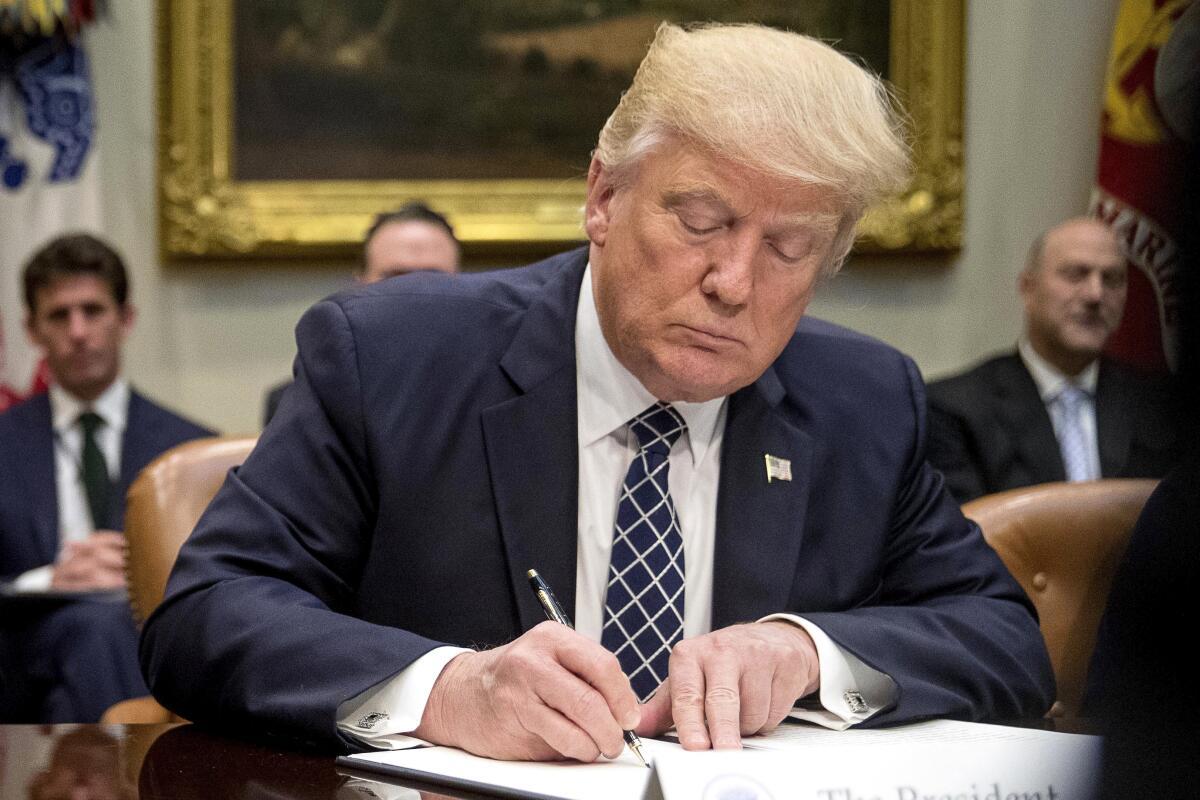
On Saturday, April 18, President Trump signed an executive order designed to accelerate federal drug approvals for psychedelic drugs, a move experts are calling a significant win for patient access. But for ketamine providers and practices offering ketamine-assisted psychotherapy (KAP), increased coordination among regulators means increased scrutiny is inevitable. In this article, we break down what this executive order means for the future of regulatory enforcement.
The Executive Order: Faster Approvals and Heightened Agency Coordination
The executive order directs the FDA and DEA to accelerate review timelines for certain categories of drugs, particularly those demonstrating early clinical promise in treating severe mental health conditions. It instructs the FDA to expand the use of expedited pathways, including priority review and accelerated approval mechanisms, and to place greater emphasis on real-world evidence in evaluating safety and efficacy post-approval. The order also calls for agencies to modernize internal review processes and reduce procedural delays that can slow down both initial approval and post-market regulatory action.
Critically, the order emphasizes interagency coordination between the FDA and DEA in matters involving controlled substances. That includes closer alignment on scheduling decisions under the Controlled Substances Act, as well as more streamlined processes for sharing information from relevant clinical studies to inform drug classification decisions.
Why This Matters for Ketamine Practices
On its face, a faster, more flexible regulatory environment could benefit providers operating in the psychedelic and ketamine space. As the federal government works to keep pace with evolving treatment models, the move could signal the government’s openness to exploring emerging psychedelic therapies and expanded clinical use of drugs like ibogaine, paving the way for the development of clear regulatory standards.
But while the FDA and DEA work quickly to accelerate approval timelines, enforcement of existing psychedelic treatments like KAP is unlikely to slow down anytime soon. Unlike lesser studied medications like ibogaine, ketamine has long been under active regulatory scrutiny, as its widespread off-label use for mental health treatment has placed it squarely on the DEA and FDA’s radar. When agencies are directed to move faster in scaling new initiatives, they also tighten oversight over existing enforcement priorities.
Expect More Oversight, Not Less
Increased interagency coordination often leads to more consistent and more frequent enforcement activity. For ketamine and KAP providers, this EO signals that the DEA is likely to become even more laser-focused on continuing to evaluate common “red flags”: whether prescribing practices align with DEA registrations, the quality and legitimacy of medical necessity documentation, medication sourcing practices, and the practice’s marketing and advertising activities. While these are not new issues, providers can expect a marked shift in how closely these areas are examined—and how quickly issues are escalated.
A Shift in the Enforcement Landscape: What Providers Can Do to Prepare
This executive order reflects a broader shift: regulators are trying to reconcile faster access to emerging therapies with tighter control over how those therapies are used in practice. For providers operating in compliance gray areas, that gap is narrowing. Practices that have relied on informal protocols, flimsy documentation, or aggressive growth strategies should assume that those approaches will face enhanced scrutiny in the months ahead.
As the landscape evolves, ketamine providers are likely to see both expanded opportunity and heightened regulatory focus. How a practice is positioned today may determine how it is viewed tomorrow.
Is the DEA already at your practice’s doorstep? Engaging counsel early often makes all the difference. Contact our team today—we’ll take it from here.