

Anthony Mahajan
Articles by Anthony
The FCA Knowledge Standard After SuperValu
The Supreme Court's SuperValu decision ties False Claims Act scienter to what a defendant subjectively knew, not a reasonable read…
Presenting a Defense to DOJ Before the Intervention Decision
What defense counsel submits to DOJ and agency counsel before a qui tam intervention decision, and why the work matters either way…
Voluntary License Surrender While Under Investigation
Boards generally treat a surrender entered mid-investigation as discipline, not resignation, and it stays reportable to national d…
Responding to a Board Subpoena for Patient Records
A stepwise guide to confirming scope, meeting the return date, and producing patient records to a state licensing board without in…

Supervising Nurse Practitioners and Physician Assistants in Multistate Telehealth
The patient's state, not the clinician's, generally sets the scope-of-practice and collaboration rules a multistate telehealth vis…
OIG Self-Disclosure Protocol: What a Submission Requires
What a complete OIG Self-Disclosure Protocol submission must contain, how damages are calculated, and what resolution brings once…
Moving to Dismiss an FCA Complaint Under Rule 9(b)
Why the first contested motion in a healthcare qui tam case turns on Rule 9(b) particularity, the circuit split, and what leave to…

Establishing the Provider-Patient Relationship by Telehealth
A telehealth prescription built on an intake questionnaire alone is the fact pattern that draws board scrutiny and, in serious cas…
Pharmacy Permit Suspension and Revocation
State pharmacy boards can suspend or revoke a store's permit over grounds, notice and hearing rights, and the path back to dispens…
Patient Records When a Telehealth Platform Shuts Down
When a telehealth platform closes, sells, or freezes accounts, HIPAA retention and access duties stay with the treating clinician,…
License Probation Terms and Early Termination
A probationary license carries practice restrictions, chart review requirements, reporting duties, and a path to petition for earl…
FCA Liability for Billing Companies and Management Entities
The False Claims Act reaches billing companies that cause a false claim, and an indemnification clause does not decide who the gov…
Breaching a Corporate Integrity Agreement: Stipulated Penalties and Exclusion
Once a problem surfaces under an existing CIA, escalation runs one way: Reportable Event, Stipulated Penalties, Notice of Breach,…

Joint Defense Agreements in Healthcare Investigations
A joint defense agreement extends privilege across separately represented targets, but only for a genuine legal interest, and only…
Board Disciplinary Hearings: Procedure, Evidence, and Witnesses
Board disciplinary hearings test the burden of proof, the investigative file, and the standard-of-care witness, and procedure diff…
Clinical Staff Time and Supervision in Remote Patient Monitoring
CMS lets contracted clinical staff furnish RPM time under general supervision now, but a 2027 proposal and active OIG audits are t…

Claims Billed Under Your NPI by a Telehealth Company
A telehealth company can bill Medicare under a physician's NPI through reassigned billing rights, but the physician, not the platf…

UPIC Requests for EHR Access, Audit Trails, and Metadata
When a UPIC asks for EHR access, an audit trail, or chart metadata, scope and production choices shape what the reviewer finds and…
UPIC Reopenings: How Far Back Paid Claims Can Be Reviewed
A UPIC reopening of a paid claim runs on the 42 C.F.R. 405.980 standard, not a fixed lookback number, and it is not the sample per…
Backdating and Late Chart Edits in a Federal Investigation
A federal healthcare fraud investigation changes the legal stakes of any chart correction. The line between a proper late entry an…
UPIC Records Requests Versus OIG Subpoenas: What Compels Production
A UPIC records request and an HHS-OIG subpoena rest on different legal authority and carry different consequences for non-producti…

UPIC Medical Review: Nurse Reviewers and Contractor Medical Directors
How a UPIC medical necessity denial moves from coding staff to a nurse reviewer to a contractor medical director, and what a rebut…
Medicare Waiver of Recovery and Limitation on Liability
Waiver of recovery and limitation on liability can each eliminate a Medicare overpayment demand, but they turn on different proof…
Asking DOJ to Dismiss a Qui Tam Under Section 3730(c)(2)(A)
Section 3730(c)(2)(A) lets DOJ dismiss a relator's qui tam suit over objection. What the post-Polansky standard requires and how a…
Appealing a Board Disciplinary Order in Court
Once a state medical or pharmacy board's disciplinary order is final, judicial review is generally limited to the existing record,…
When Federal Agents Seize Your Practice Bank Accounts
What a seizure warrant on a practice's operating account means before any charge is filed, and the argument for releasing funds no…

UPIC Audit Results Letters: Reading the Findings and Responding
A UPIC review results letter states claim-by-claim findings, the error rate, and any extrapolated overpayment before the file reac…

UPIC Audits When a Third-Party Billing Company Prepared the Claims
The provider stays the party of record when a UPIC audits claims a third-party biller prepared. What to gather, what contract term…
Responding to a Draft Medicaid Audit Report
A draft Medicaid audit report sets the record the rest of the case works from. Letting the response window pass turns findings int…
The RAC Discussion Period: Raising Issues Before the Demand Letter
The 30-day RAC discussion period runs on the review results letter, not the demand letter, and it does not pause the separate 120-…
Treasury Referral of an Unpaid Medicare Overpayment
What happens once a Medicare overpayment demand goes unpaid: referral to Treasury for cross-servicing and offset, and what closes…
Medicaid Revalidation and Provider Number Deactivation
State Medicaid revalidation cycles trigger risk-based screening and site visits, and a missed window deactivates the provider numb…
Responding to a DEA Letter of Admonition
A DEA Letter of Admonition sits between an inspection finding and a formal order to show cause, and the response becomes part of t…

Medicaid Recovery Audit Contractors and What They Review
A Medicaid RAC's contingency-fee review runs on a different track than a state program integrity audit or a managed care plan's SI…
Responding to a DEA Administrative Subpoena
A DEA administrative subpoena under 21 U.S.C. Section 876 can reach dispensing records without a warrant. How to scope, log, and p…
Medicaid Prepayment Review and Documentation Requirements
Medicaid prepayment review holds each claim for documentation before payment. A payment suspension freezes all claims at once, and…
Overlapping Contractor Reviews: UPIC, MAC, and RAC at the Same Time
CMS requires Medicare review contractors to coordinate overlapping UPIC, MAC, and RAC reviews of the same claims, but a provider s…
Reapplying for DEA Registration After Revocation or Surrender
After a DEA revocation or surrender, there is no reinstatement track. Reapplying means a new application judged on the same public…
Reinstatement After an OIG Exclusion
OIG reinstatement takes a written request and OIG's written approval, not just a finished exclusion period. The 90-day filing wind…
When a Telehealth Audit Signals a Criminal Investigation
A Medicare telehealth audit can escalate into a federal criminal referral inside the same file. Here are the signals that mark the…
Indicted in a Healthcare Fraud Case: Arraignment and Release Conditions
What happens after a federal healthcare fraud indictment: self-surrender, arraignment, and Bail Reform Act release conditions, and…
Medicare Claim Reopenings Versus Appeals: Which Route Applies
Reopening and the Medicare appeals ladder are separate remedies, with different grounds, time limits, and effects on a provider's…
Legitimate Medical Purpose in Controlled Substance Prescribing
DEA reads a prescriber's own chart against 21 CFR 1306.04's legitimate medical purpose standard. What the record must show, and th…
Medicaid Managed Care Network Termination: Appeal Routes
A Medicaid managed care plan can drop a provider by contract alone. Appeal routes, member notice duties, and state-level exclusion…
Getting Paid After a Favorable Medicare Appeal Decision
A Medicare appeal win does not guarantee prompt payment. Effectuation deadlines, interest rules, and CMS's referral power all shap…
Medicaid Audit Lookback Periods and the Sample Time Frame
Medicaid audit review periods are set state by state. A longer review period widens the base a sample is projected across.
Time-Based Telehealth Coding and Audit Findings
Program integrity contractors test telehealth time-based E/M coding for overlapping encounters and impossible-day patterns before…
Telehealth Records Requests From Payers
Payers are pulling telehealth platform session logs and timestamps beside the chart note, and a documentation gap can become an ex…
Deciding Whether to Plead in a Healthcare Fraud Case
What a healthcare fraud plea agreement contains: counts of conviction, loss and restitution stipulations, appeal waivers, and prog…

DEA Registration and Change of Pharmacy Ownership
Why a DEA registration does not travel with a pharmacy sale, what the buyer must apply for, and how the closing has to be sequence…
Getting Your Records Back After a Federal Search Warrant
What happens to seized patient records, imaged servers, and privileged files after a federal search warrant, and how a Rule 41(g)…
Filing a Medicare Rebuttal Statement Before Recoupment Begins
What a Medicare rebuttal statement can and cannot do before recoupment begins, its filing window, and why it is not a substitute f…
Escalating a Medicare Appeal After a Missed Decision Deadline
What happens when a QIC or ALJ misses its own Medicare appeal deadline, how a provider requests escalation, and what escalating ac…
Telehealth Prescribing Volume as an Audit Trigger
Medicare's UPIC and MEDIC analytics flag telehealth prescribers on volume alone. What triggers the flag, and how to defend a high-…
Telehealth Practice Acquisitions and Regulatory Diligence
What buyers inherit in a telehealth acquisition: licensure gaps, platform-contract terms, and billing exposure that transfers with…
Corrective Action Plans After a Medicaid Audit
What a state Medicaid agency expects in a corrective action plan after an audit finding, who signs it, the follow-up review, and t…
DEA Diversion Investigator Interviews: What Staff Should Know
What DEA diversion investigators ask pharmacy staff, whether the interview is voluntary, and why counsel for the pharmacy is not a…
DEA Accountability Audits: Challenging a Shortage Finding
How a DEA accountability audit turns purchases, dispensing records and two counts into a shortage finding, and the assumptions a r…

Telehealth Place of Service Coding Errors
POS 02 and POS 10 decide which of two Medicare rates a telehealth claim is paid at, and auditors have a documented method for catc…

Change of Ownership in Medicaid: Disclosure and Successor Liability
Buying or selling a Medicaid-enrolled provider means updating ownership disclosures, checking the seller's open audits and overpay…
Cloned Documentation and Copy-Forward Findings in Medicare Audits
How Medicare reviewers identify cloned or copy-forward EHR notes, why the finding becomes a medical necessity denial, and how to c…
Telehealth Platform Contracts: Fee Structures Under Scrutiny
Per-consult flat fees carry far less Anti-Kickback Statute exposure than percentage-based telehealth platform pay. What the fee fo…
AdvanceMed UPIC Audits: What to Expect
AdvanceMed's Midwestern Jurisdiction UPIC work now runs under the name CoventBridge. What the rebrand means for a physician facing…
Telehealth Modifier Use and Payer Variation
Medicare, Medicare Advantage, Medicaid, and commercial payers each apply different modifier and place-of-service rules, and the wr…

Medicare Advantage Plan Audits Versus Traditional Medicare
Medicare Advantage plans audit under provider contracts and RADV rules, not Medicare regulations, which changes both the audit tri…
Ownership Disclosure Requirements in Medicaid Enrollment
Medicaid providers must disclose 5 percent owners and managing employees, and nursing facilities must now name private equity and…

Hospice Medicare Audits and Eligibility Challenges
CMS and OIG are scrutinizing hospice terminal prognosis documentation, long lengths of stay, and the aggregate cap under 42 CFR 41…
Transferring Controlled Substance Prescriptions Between Pharmacies
Schedule II prescriptions generally cannot transfer between pharmacies. Schedule III-V transfers follow one-time rules under 21 CF…
MFCU Subpoenas: Responding Without Making It Worse
MFCU subpoenas carry civil and criminal exposure at once. How to negotiate scope, review for privilege, and avoid the mistakes tha…
Ohio Medicaid Audits: Process and Deadlines
How Ohio Medicaid audits proceed from an ODM or SURS notice through reconsideration, adjudication, and appeal, and what providers…
Pennsylvania Medicaid Audits and Provider Appeals
How DHS audits Pennsylvania Medicaid providers, the repayment timeline, and the 30-day deadline to appeal to the Bureau of Hearing…

Reassignment of Medicare Benefits: Where Groups Get Exposed
Reassignment shifts Medicare billing rights to the group, and with it, audit and overpayment exposure the group may not see coming…

Mid-Level Practitioner Prescribing Authority Limits
State law, not DEA registration, sets a mid-level practitioner's prescribing authority. What pharmacists and practices need to ver…
Reactivating a Deactivated Medicare Billing Number
Deactivation is not revocation. What triggers a deactivated Medicare billing number, how to reactivate it, and the claims gap that…
Memoranda of Agreement With DEA
What a DEA Memorandum of Agreement resolves, the terms it commonly imposes, and what a breach of those terms means for the registr…
Telehealth Practice and Out-of-State Board Complaints
A telehealth visit can put a physician under a medical board in the state where the patient was located, with reciprocal risk to t…
Telehealth Fraud in Medicare Advantage Plans
How telehealth health risk assessments feed Medicare Advantage risk adjustment, the DOJ and OIG enforcement pattern, and where pro…
Telehealth Documentation Standards That Survive Review
What a telehealth visit note needs to survive a payer or program-integrity audit: modality, location, time, and consent documentat…
Whistleblower Retaliation Claims by Former Employees
Protected activity, the three elements of a Section 3730(h) retaliation claim, and how a defensible termination record built in ad…
When an Employee Threatens to Report You
Preservation steps, False Claims Act retaliation exposure, and the personnel decisions that need counsel review before a report be…

Molecular Laboratories Increasingly Turn to Health Law Alliance for Assistance with CPT Code 87798 Level 3 Denials, Payment Suspensions, and UPIC Audits
Leading healthcare law firm employs former Medicare and UPIC investigators, attorney-clinicians, federal and state prosecutors, an…

Responding to a Board of Pharmacy Complaint
What a board of pharmacy complaint notice starts, what a written response should confirm or leave out, and how early statements ca…

Telehealth and the Anti-Kickback Statute
Referral fees, marketing arrangements, and the safe harbor analysis telehealth companies need before the Anti-Kickback Statute bec…
Waivers of OIG Exclusion for Sole Community Providers
The narrow path to waiving an OIG program exclusion: the sole community physician standard, who can request it, and what it does n…
Telehealth Companies and the Corporate Practice of Medicine
Friendly PC and MSO structures, fee-splitting limits, and the 2025-2026 state enforcement wave telehealth companies now face over…
Summary Suspension: Emergency Action Against Your License
How medical boards suspend a license before any hearing, the imminent danger standard, and what happens at the expedited hearing t…
Upjohn Warnings: What Employees Must Be Told
An Upjohn warning tells an employee who the company's lawyer represents, who owns the privilege, and what happens if the company l…

The Responsible Corporate Officer Doctrine in Healthcare
Executives can face criminal liability for a company's violation without personal knowledge, based solely on their authority to pr…
NPDB Reports: Disputing and Adding a Statement
The NPDB dispute process under 45 CFR Section 60.21: what Secretary review can fix, and why a subject statement helps regardless o…

Pharmacist-in-Charge Liability for Pharmacy Violations
Most boards of pharmacy hold the PIC personally liable for store violations. What triggers board action, and how documented escala…
Telefraud Takedowns: How Legitimate Providers Get Included
DOJ telefraud takedowns charge platform executives and the prescribers who signed their orders. How inclusion happens, and how rea…
State Telehealth Modality Requirements
States disagree on whether audio-only visits satisfy telehealth exam rules, creating licensure and false claims exposure for multi…
Worthless Services Claims Under the FCA
Worthless services claims treat reimbursement as false because the care itself had no value, not because it was miscoded or unneed…
Telemarketing-Driven Healthcare Fraud Schemes
How telemarketing and telehealth lead-generation schemes work, the DOJ takedowns built on them, and how a legitimate physician's e…

Under Seal: What Happens Before You Know You Are Sued
A qui tam seal can run for years while the government investigates. Here is what 31 U.S.C. Section 3730(b) requires and how provid…

Signing Orders From a Telehealth Platform: Your Exposure
Chart review adequacy, patient contact, and the DME and lab order pipeline determine whether a signed telehealth order becomes a f…

RPM Device Supply and Kickback Questions
Free or below-cost RPM devices from vendors can trigger Anti-Kickback Statute and beneficiary inducement exposure for telehealth p…

Multi-State Licensure After Discipline in One State
A board action in one state can trigger automatic suspension, NPDB reporting, and renewal disclosure duties everywhere else a phys…
Target Letters: Reading Yours Accurately
A DOJ target letter signals substantial evidence, not an indictment. What target status means, the window it opens, and the respon…

Medical Board Investigations: The First Contact
How medical board complaints move from intake to investigator contact, whether interview requests are truly voluntary, and how to…
Treble Damages and Per-Claim Penalties Explained
Treble damages and per-claim penalties can turn a small False Claims Act sample into a seven-figure demand fast for healthcare pro…
Speaker Programs and Kickback Enforcement
OIG's Special Fraud Alert put physician speaker programs under Anti-Kickback Statute scrutiny, and 2025 settlements confirm active…

Remote Therapeutic Monitoring Billing Compliance
CPT 98975 through 98981 cover Remote Therapeutic Monitoring, a distinct billing structure from RPM with its own data, documentatio…

Originating Site Rules and Their Audit Consequences
Medicare's telehealth originating site waiver runs through 2027, but audits test each claim against the rule in effect on its date…
License Renewal Disclosure Questions: Answering Accurately
State board renewals ask about arrests, convictions, and malpractice actions, and a false or incomplete answer is its own discipli…
License Reinstatement After Revocation
State boards and OIG program exclusions run separate reinstatement tracks, each with its own timing and its own standard for the r…
The Public Disclosure Bar and the Original Source Exception
What qualifies as a public disclosure under the False Claims Act, and how a relator can still proceed as an original source.
Running an Internal Investigation Without Waiving Privilege
Structuring an investigation under counsel and giving proper Upjohn warnings keeps privilege intact when a provider investigates i…
The Relator's Share: What Whistleblowers Actually Receive
The False Claims Act sets a statutory range for what whistleblowers actually recover, and what can reduce that share to nothing.
Restitution and Forfeiture in Healthcare Fraud Cases
Restitution compensates the victim's loss and forfeiture strips the offense's proceeds. Federal courts can order both, in full, ag…
The First-to-File Bar in Qui Tam Litigation
A federal statute blocks duplicate qui tam suits over the same fraud. How the first-to-file bar works, and how defendants use it.
Responding to an HHS-OIG Subpoena
How physicians and practices negotiate scope, manage document production, and complete privilege review after an HHS-OIG document…
Provider Relief Fund Audits and Enforcement
How HRSA's attestation deadlines, lost revenue methodology, and Single Audit threshold create Provider Relief Fund audit exposure…
License Discipline and Medicare Enrollment Consequences
How a state board's license suspension or revocation can independently trigger Medicare enrollment revocation and a separate OIG e…

Interstate Telehealth Licensure and Enforcement Risk
Interstate telehealth licensure turns on where the patient sits. What compacts cover, what they don't, and the criminal and billin…

Impaired Practitioner Programs: Terms and Tradeoffs
What monitoring agreements actually require, why five years is the standard term, and the tradeoffs behind choosing an alternative…
UPIC Record Requests: How Many Charts Is Normal
A UPIC records request for ten claims signals a probe. Thirty or more usually means the contractor is building toward extrapolatio…

The FCA Statute of Limitations and the Tolling Fight
The False Claims Act runs on two limitations clocks. Cochise Consultancy settled which one controls when the government declines t…

What a UPIC Audit Costs Even When You Win
Prepayment review, professional fees, and lost time build up over a UPIC audit's full timeline, whether or not the provider is ult…

Documenting Patient Consent for Telehealth
Telehealth consent has to be documented per visit, not just at intake, or a payor or UPIC audit can treat the whole encounter as u…

DTC Telehealth Models and Federal Enforcement
Advertising-driven telehealth models face DOJ and HHS-OIG enforcement over volume-based prescriber pay and independent medical jud…
Pretrial Diversion for First-Time Healthcare Offenders
Pretrial diversion can dismiss a federal healthcare fraud charge, but state licensing boards often treat the agreement itself as r…
Proffer Sessions in Healthcare Fraud Cases
A proffer session lets a physician give investigators an account under a proffer agreement, but the protection it provides is narr…
Structuring an FCA Settlement
How damages allocation, release scope, CIA terms, and payment structure interact once a False Claims Act matter reaches the settle…

Criminal Charges and Your Professional License
Self-reporting duties to state boards, interim suspension standards, and how a license case runs beside a pending criminal charge,…
UPIC Education Letters: A Warning Worth Heeding
A UPIC education letter is the audit's most lenient outcome, not a clearance, and it signals remediation physicians should not ski…
Successor Liability for False Claims in an Acquisition
Whether an acquirer inherits a target's False Claims Act exposure turns on deal structure, diligence, and the exceptions to succes…

UPIC Audits of Telehealth Providers
UPICs mine telehealth claims for volume outliers, then test platform prescribing and encounter documentation against Medicare's te…

Continuing Education and Licensure Audit Findings
State boards audit CE compliance by random sample. A documentation gap can mean a fine, a cure period, or formal board discipline.
Statistical Sampling as Proof of FCA Liability
Courts increasingly let a sample of claims prove False Claims Act liability, not only damages. Here is how the methodology gets ch…
Building a Telehealth Compliance Program
Licensure tracking across states, encounter-specific documentation standards, and self-auditing your telehealth claims before a pa…
State False Claims Acts and Parallel Recoveries
State False Claims Acts let attorneys general pursue Medicaid fraud independent of DOJ, creating exposure a federal settlement alo…
Consent Orders: Reading the Long-Term Consequences
A signed consent order triggers a permanent NPDB report, payer credentialing disclosures, and possible OIG exclusion long after th…
UPIC Audits and Your Medicare Enrollment Status
UPIC audit findings can trigger Medicare payment suspension, deactivation, or revocation, with a reenrollment bar that runs for ye…
UPIC Audits of Pharmacies Under Part D
UPICs review Part B and Medicaid pharmacy claims, not Part D. Here is how the two audit tracks overlap through prescriber pattern…
PPP Loan Fraud Enforcement Against Healthcare Practices
Certification exposure on 2020 PPP loans stays live through 2030. Recent DOJ judgments against healthcare businesses turn on a sig…
Patient Recruiting and Marketing Arrangements
Percentage-based marketing fees and patient recruiting arrangements can trigger Anti-Kickback Statute and False Claims Act exposur…
Stark Law Violations Feeding False Claims Liability
A Stark Law self-referral violation needs no intent, and billing Medicare for the referred service can turn it into False Claims A…
Parallel Civil and Criminal Healthcare Proceedings
When civil discovery runs alongside a criminal healthcare fraud investigation, sequencing, Fifth Amendment exposure, and stay moti…
Board Interviews: Should You Attend Without Counsel
A medical board's informal interview is a recorded, formal investigative step, and how a physician handles it can decide the case.
Self-Disclosure Versus Waiting for the Qui Tam
OIG's Self-Disclosure Protocol and DOJ's FCA cooperation credit both reward disclosing first, before a qui tam relator files under…

Behavioral Telehealth Audits
Medicare extended behavioral telehealth coverage through 2027, but UPIC and MAC reviewers are auditing session time, modality, and…
Money Laundering Counts in Healthcare Fraud Indictments
Money laundering counts under 18 U.S.C. 1956 and 1957 can add 20 years of exposure and open forfeiture reaching beyond fraud proce…
UPIC Audit Defense Timeline: Notice to Resolution
Each stage of a UPIC audit, the 30-day records request, the review period, and the five-level Medicare appeal, with realistic dura…
Employee Interviews During a UPIC Investigation
UPIC investigators routinely interview practice staff, and an informal answer can trigger federal exposure under 18 U.S.C. Section…

Risk Adjustment Fraud and the FCA
DOJ's 2026 Medicare Advantage settlements show how unsupported HCC codes and one-sided chart reviews become False Claims Act liabi…
Audio-Only Telehealth: What Is Actually Billable
Medicare extended audio-only telehealth coverage through 2027, but the general and mental health rules diverge, and documentation…

Asynchronous Telehealth and Store-and-Forward Billing
Medicare pays for store-and-forward telehealth only through Alaska and Hawaii demonstration sites. Outside that lane, billing expo…
Document Preservation When a UPIC Audit Opens
A UPIC audit notice starts the preservation clock on EHR audit trails, signature logs, and adjudication records well before any la…
Medical Directorship Agreements Under Kickback Scrutiny
A medical directorship survives Anti-Kickback Statute scrutiny only when compensation reflects fair market value for services actu…
Living Under a Corporate Integrity Agreement
A Corporate Integrity Agreement's real work starts at settlement: IRO reviews, a 30-day Reportable Event clock, and stipulated pen…
Reverse False Claims Liability for Retaining an Overpayment
Retaining a known Medicare or Medicaid overpayment past the 60-day deadline can itself be a False Claims Act violation under the r…
Appealing a UPIC Overpayment Determination
UPIC overpayment determinations trigger Medicare's five-level appeal process, with strict 30- and 60-day windows controlling wheth…

Florida Attorney General Launches Investigation Into CVS Caremark: What It Means for Independent Pharmacies
Florida’s Attorney General issued a Civil Investigative Demand to CVS Health and Caremark, underscoring intensifying scrutiny of P…
Health Law Alliance Successfully Reverses PBM Network Termination for a California Independent Pharmacy
Health Law Alliance obtained a complete reversal of a PBM network termination for a California independent pharmacy, preserving it…
PBM Audit Defense Lawyer Insights: Avoiding the Top PBM Audit Traps That Lead to Network Termination
Six common PBM audit-response mistakes that can escalate into recoupment, network termination, or a broader government investigati…
Medically Unnecessary Services as an FCA Theory
Medical necessity splits the federal circuits on what counts as false under the FCA, turning a documented clinical judgment into t…

Materiality as a Defense: Government Knowledge
Escobar made FCA materiality a demanding standard. Continued government payment despite knowledge of a violation is very strong ev…
Laboratory Kickback Enforcement: Process and Handling Fees
Specimen processing fees look like overhead reimbursement, but the OIG's 2014 alert and $48.5M in DOJ settlements show how they be…
Individual Accountability in Corporate Healthcare Cases
DOJ's March 2026 Department-wide Corporate Enforcement Policy keeps individual prosecution the priority in corporate healthcare fr…
UPIC Revocation Recommendations to CMS
How a UPIC finding becomes a CMS revocation recommendation, the regulatory ground it relies on, and where a physician's response c…
UPIC Versus SMRC: Two Different Reviews
SMRC review checks claims against coding rules. UPIC review investigates fraud, with site visits, payment suspension, and a law en…

UPIC Jurisdictions: Which Contractor Covers Your State
CMS assigns UPIC audits to five geographic jurisdictions, each with its own contractor. The current jurisdiction map, and why the…
Insurance Coverage for FCA Defense Costs
A civil investigative demand can trigger D&O coverage before a lawsuit is filed. What a policy actually pays for, and what it excl…
Healthcare Fraud Takedowns: How Practices Get Swept In
The DOJ's coordinated healthcare fraud takedowns rely on data analytics that flag referring and ordering physicians alongside sche…
Independent Review Organizations: What They Actually Do
Independent review organizations audit claims under a Corporate Integrity Agreement, distinct from health plan appeal reviewers. W…
Individual Liability for Executives Under the FCA
The False Claims Act reaches individual executives, not just companies. What compliance officers need to know about personal expos…
UPIC Referrals to HHS-OIG and DOJ
A UPIC audit becomes a federal matter once HHS-OIG or DOJ receives a fraud referral. What triggers it, the timing, and how the pos…
Government Intervention: What the Decision Signals
What DOJ's decision to intervene or decline under 31 U.S.C. § 3730 signals for a qui tam case's value, and why declination does no…
Implied Certification After Escobar
How the Supreme Court's Escobar decision set the two-part implied certification test and a demanding materiality standard courts s…
Healthcare Fraud Sentencing: How Loss Is Calculated
How federal courts calculate actual versus intended loss under Section 2B1.1, and why the billed-amount presumption is often the k…

UPIC Interview Requests: Should You Agree
A voluntary UPIC interview request is not a subpoena, but an unprepared answer can still shape a later civil or criminal fraud ref…
UPIC-Initiated Medicare Payment Suspensions
How a UPIC suspends Medicare payments on a credible allegation of fraud, the 15-day rebuttal window, and how long a suspension can…

Grand Jury Testimony: Preparing a Provider Witness
How DOJ classifies grand jury witnesses as target, subject, or witness, and what a physician should know before testifying.
Going to Trial in a False Claims Act Case
How FCA trial rates, jury standards, and treble-damages exposure shape the decision to settle or fight a False Claims Act case.
Free EHR and Technology Donations: Kickback Limits
The Stark Law and Anti-Kickback Statute let hospitals donate EHR technology to referring physicians, but only inside strict, easil…
FCA Retaliation Claims Under Section 3730(h)
How Section 3730(h) protects employees who report suspected fraud, and what employers must prove to defend the retaliation count o…

UPIC Data Mining: How You Got Selected
How CMS's predictive analytics and peer-comparison scoring select physicians for a UPIC audit, and what a high-risk billing profil…

UPIC Beneficiary Interviews and What They Ask
When a UPIC contacts a physician's Medicare patients directly, what investigators ask and how those answers become part of the cas…
FBI Agents at the Door: What Employees Should Know
FBI and HHS-OIG interviews of practice employees are voluntary. What staff should know in advance about false-statement exposure u…
False Claims Act Exposure in Managed Care
Medicare Advantage risk-adjustment settlements now reach chart-review vendors and provider groups, not just the plan that submits…
Clinical, Coding, and Statistical Witnesses in FCA Litigation
Clinical, coding, and statistical witness testimony, not the paper record alone, typically decides whether an FCA claim is false a…
Data Analytics in Federal Healthcare Fraud Cases
How DOJ and CMS use predictive analytics and claims data to target physicians for fraud investigations, and how a statistics-first…

UPIC Audits of Urgent Care Centers
Urgent care centers face UPIC scrutiny over E/M leveling errors and facility fee codes Medicare will not pay. What draws the revie…
Deferred and Non-Prosecution Agreements in Healthcare
When DOJ offers a healthcare company a deferred or non-prosecution agreement instead of an indictment, and the obligations that co…

UPIC Audits of Toxicology and Drug Testing Labs
UPIC audits of toxicology labs turn on definitive versus presumptive testing, custom panels, and whether the ordering physician do…

UPIC Audits of Orthotics and Prosthetics Suppliers
UPIC audits of orthotics and prosthetics suppliers turn on custom fitting documentation, proof of delivery, and referral patterns…
Zone Program Integrity Contractors: The UPIC Predecessor
ZPICs investigated Medicare fraud from 2003 to 2016, when UPICs absorbed the role. Older ZPIC-era guidance still shapes how audits…

UPIC Audits of Pain Management Practices
UPIC audits of pain management practices examine injection frequency, urine drug testing billing, and controlled substance prescri…
COVID-Era Billing Under Retrospective Review
How the Section 1135 telehealth waivers that applied during the COVID-19 Public Health Emergency affect retrospective Medicare bil…

The 60-Day Rule in Practice for Medicare Providers
CMS replaced the reasonable diligence standard for the Medicare 60-day rule in 2025. What identification means now, and the FCA ex…
Defending a Declined Qui Tam Case
A declined qui tam case is not over. The relator can litigate alone under the False Claims Act, and the government retains real op…
Compliance Program Effectiveness as a Defense
How DOJ's charging factors and the Sentencing Guidelines' three-point culpability reduction reward a compliance program that actua…
Statistical Sampling in Medicare Audits: Where It Breaks
CMS lets auditors extrapolate a small claims sample into a full repayment demand. Here is where the sample frame and unit definiti…

Skilled Nursing Facility Audits Under PDPM
PDPM tied SNF payment to MDS coding accuracy, and OIG and CMS built new audit programs around exactly that vulnerability.
Copay Assistance Programs and Federal Enforcement
OIG's independence rules for charity copay foundations, and the settlements, including Teva's $450 million resolution, that define…

UPIC Audits of Hospice Providers
UPIC audits target long-stay hospice patients and thin physician narratives. Here is what 42 CFR 418.22 requires and how to defend…

UPIC Audits of Home Health Agencies
UPIC audits of home health agencies target homebound documentation, face-to-face encounter timing, and plan-of-care defects under…
UPIC Audits of DME Suppliers
UPIC audits of DME suppliers turn on the order chain: standard written orders, proof of delivery, and the CMS supplier standards u…

Cooperation Credit in Federal Healthcare Settlements
DOJ's cooperation credit policy rewards early, complete disclosure in False Claims Act matters, but the same disclosure can expose…
Civil Investigative Demands: Negotiating Scope
A civil investigative demand can combine document production, interrogatories, and testimony under one order. Scope is negotiable…
Remote Patient Monitoring Medicare Audits
CMS device-day thresholds, interactive communication rules, and OIG enrollment-volume scrutiny are driving a new wave of Medicare…
Self-Disclosing a Medicare Overpayment
Physicians who identify a Medicare overpayment can choose a straight refund, the OIG protocol, or the CMS SRDP, each carrying diff…
Building an Effective Compliance Program That Counts
OIG's seven elements and DOJ's evaluation factors, and what compliance officers need to document to prove a compliance program act…

UPIC Audits of Genetic Testing Providers
UPIC audits of genetic testing providers focus on cancer genomic panel necessity, telemarketing-driven physician orders, and kickb…

UPIC Audits of Behavioral Health Providers
UPICs are expanding fraud, waste, and abuse review of behavioral health billing, from CPT 90853 group therapy overuse to IOP and P…

Anti-Kickback Safe Harbors Every Practice Should Know
Medical director pay, space leases, EHR donations, and value-based deals must fit a safe harbor exactly, or the Anti-Kickback Stat…
Civil Discovery in FCA Cases: Managing the Burden
Once a qui tam case is unsealed, discovery reaches years of claims data. Rule 26 proportionality and privilege protocol decide who…
Appealing an OIG Exclusion
OIG exclusions carry a five-year mandatory minimum for program-related convictions, and the appeal runs through an ALJ hearing, no…

Physical Therapy Medicare Audits and the Therapy Threshold
CMS raised the 2026 KX modifier threshold to $2,480, but audit risk now turns on medical necessity, maintenance therapy, and note…
Provider-Based Billing and Medicare Audit Exposure
Provider-based status under 42 CFR 413.65 controls whether a hospital facility fee survives audit, and a 2026 federal mandate rais…
UPIC Audits of Clinical Laboratories
UPIC audits of clinical laboratories target genetic test billing, standing orders, and toxicology panels lacking individualized me…
Aggravated Identity Theft in Healthcare Prosecutions
How 18 U.S.C. § 1028A adds a mandatory, consecutive two-year term to a healthcare fraud sentence, and which billing conduct trigge…
Anti-Kickback Violations as FCA Predicates
The 2010 ACA amendment made AKS violations automatic false claims, and the tainted claim theory multiplies FCA damages across ever…
Ability to Pay in FCA Settlement Negotiations
DOJ requires a certified financial disclosure before crediting an ability-to-pay claim in an FCA settlement, and a flawed filing c…

A Search Warrant at Your Practice: The First Hour
Scope review, staff instructions, privilege assertion, and preserving the seizure record: what to do in the first hour of a federa…

UPIC Audits of Ambulance Suppliers
Repetitive non-emergent transport claims draw UPIC scrutiny over run sheet documentation, physician certification statements, and…
Unannounced UPIC Site Visits: Handling the Knock
What authority UPIC investigators have to enter your practice, what to hand over on the spot, and how to control an unannounced si…
Modifier 59 and Unbundling Allegations
How Medicare's NCCI edits govern modifier 59, when an unbundling pattern becomes an audit finding, and how it can turn into a Fals…

Part D Prescriber Enrollment and Preclusion
How CMS's Part D preclusion list works: who gets added, how it cuts off prescribing payment nationwide, and how to challenge inclu…
Responding to a UPIC Additional Documentation Request
A UPIC Additional Documentation Request starts a 30-day clock. How to build an indexed, complete production before a late response…

Peer Comparison Outliers and Audit Selection
CMS flags physicians for UPIC review by comparing their billing to a peer group. Why an outlier ranking is a screening signal, not…
Third Party Liability and Medicaid as Payer of Last Resort
How Medicaid's payer of last resort rule works: cost avoidance, pay and chase, the narrow exceptions, and the recoupment exposure…
Medicare Telehealth Audits After the Flexibilities Expired
Medicare telehealth flexibilities lapsed twice in five months before Congress extended them through 2027. What changed, what staye…
When a Medicaid Audit Becomes a Criminal Investigation
The concrete signals that a civil Medicaid audit has become a criminal referral, from a payment suspension to an MFCU interview re…

Medicare Overpayment Demand Letters: Reading Yours Correctly
How to read a Medicare overpayment demand letter correctly: the required contents, the extrapolation sample behind the number, and…
Getting Off UPIC Prepayment Review
There is no published error-rate threshold that ends UPIC prepayment review. What actually determines exit, and how practices mana…
Challenging Extrapolation in a UPIC Audit
How CMS's extrapolation rules work, where UPIC sampling methodology breaks down, and the deadline that decides whether providers c…
School-Based Medicaid Services Under Audit
How school districts get audited on Medicaid-billed IEP services, and the documentation and provider-qualification gaps that drive…

Medicare Advantage RADV Audits: Risk Adjustment Exposure
How CMS validates Medicare Advantage HCC diagnoses through RADV chart review, where extrapolation stands after litigation, and whe…
Medicare Audit Defense for Small Practices
A proportionate response to a Medicare overpayment demand protects a small practice's cash flow and appeal rights inside the first…
Preparing for a Medicaid Site Visit
How announced and unannounced Medicaid site visits work, what inspectors check, and how to prepare staff and records in advance.

Medicaid Recoupment and Your Cash Flow
How Medicaid payment suspension under 42 CFR 455.23 and prospective recoupment withholds affect cash flow, and how to negotiate re…
The 5 Percent Distribution Rule for Pharmacies
How the 5 percent rule at 21 CFR 1307.11 lets pharmacies transfer controlled substances without a distributor registration, and wh…
The Five Public Interest Factors in DEA Cases
DEA weighs five statutory factors in registration cases, but final orders turn on one threshold: an unequivocal acceptance of resp…
HCC Coding Accuracy and Risk Adjustment Enforcement
Unsupported HCC diagnosis codes inflate Medicare Advantage risk scores and can expose physician groups to RADV audits and False Cl…
Home Health Medicare Audits: Documentation Priorities
Homebound status, the face-to-face encounter, plan of care certification, and OASIS consistency drive the denials that recur in ho…
Medicaid Timely Filing and Retroactive Eligibility Issues
The 12-month Medicaid timely filing deadline and the 3-month retroactive eligibility window can collide and read to auditors as fr…
DME Medicare Audits: Proof of Delivery and Orders
How RAC and UPIC auditors reconstruct the DME documentation chain, from the standard written order to the proof of delivery on fil…
Medicaid Pharmacy Audits: State Program Integrity
How state Medicaid program integrity units audit pharmacy dispensing records, and how that process differs from a commercial PBM a…
Telemedicine Controlled Substance Prescribing Rules
The Ryan Haight in-person exam rule, the DEA's fourth extension through 2026, and what pharmacists must verify before dispensing.
Medicaid Enrollment Denials and Provider Screening
How the federal risk-level screening framework and ownership disclosure rules under 42 CFR Part 455 drive Medicaid enrollment deni…

Suspicious Order Reporting: Beyond Monitoring
What 21 CFR 1301.74(b) requires beyond a monitoring system, the current DEA reporting channel, and how to document due diligence o…

Diagnostic Imaging Medicare Audits
Ordering physicians face signed-order documentation demands, a paused AUC penalty phase, and Stark Law self-referral exposure in i…
Managed Care SIU Investigations: What Providers Face
Managed care SIUs are plan-run fraud units, not government auditors, and can trigger prepayment holds, denials, and network termin…
Medicaid Credentialing and Re-Credentialing Denials
How Medicaid provider screening, risk-tier site visits, and exclusion database checks lead to credentialing denials, and how to ap…
Clinical Laboratory Medicare Audits
Medical necessity documentation, standing orders, and kickback exposure that shape how a clinical laboratory Medicare audit unfold…
State Controlled Substance Registration Running Parallel to DEA
Most states require their own controlled substance registration alongside the federal DEA number, creating dual jeopardy exposure…

Chronic Care Management Billing Under Audit
CCM claims fail audits over vague time logs, missing consent, and generic care plans. What CMS requires, and what a review looks f…

Separate Registration for Each Location
DEA registration attaches to the address, not the owner. What the separate-registration rule requires when a pharmacy moves or exp…
Duplicate Billing Findings in Medicaid Audits
Duplicate claims are among the most common Medicaid audit findings. Whether one resolves as a refund or a fraud referral turns on…
Chiropractic Medicare Audits: The AT Modifier Problem
Medicare requires the AT modifier to prove active chiropractic treatment, not maintenance care. What the documentation has to show…
EPSDT Claims and Medicaid Audit Exposure
EPSDT is defined by five mandatory components, not one visit code. Incomplete documentation of any one of them is what state Medic…
Practitioner DEA Registration Denials and Appeals
A DEA registration denial reaches every corner of a practice. What the public interest factors require, the hearing right, and how…
Behavioral Health Medicare Audits
Medicare audits of behavioral health claims turn on session time and format documentation. What CMS and MAC guidance actually requ…
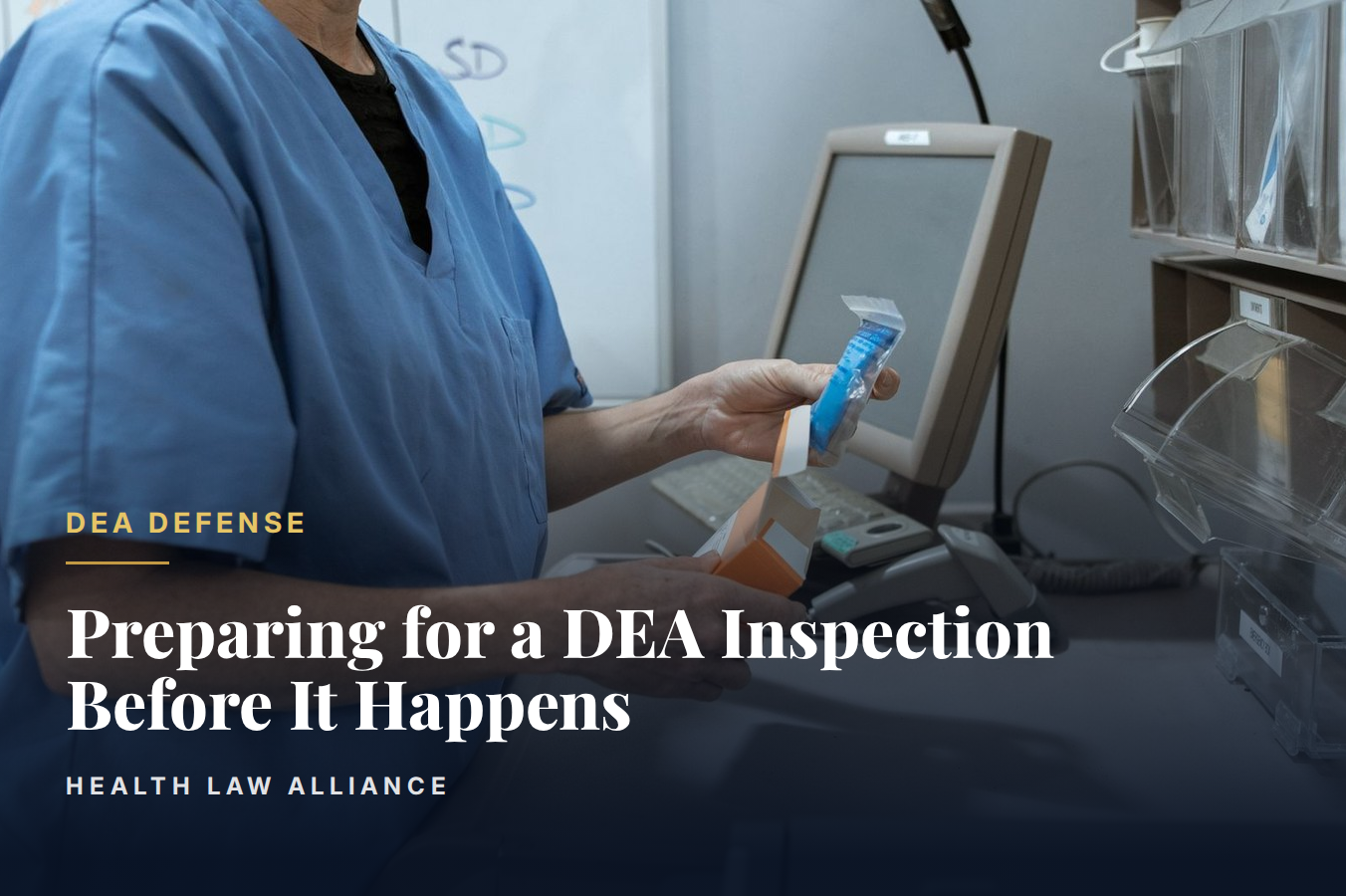
Preparing for a DEA Inspection Before It Happens
A self-audit of controlled substance records, staff preparation, and corrected deficiencies shape how a DEA inspection goes before…
The Medicare ALJ Hearing: What to Expect
The Medicare ALJ hearing is the third level of appeals: qualifying thresholds, hearing format, witness testimony, the OMHA backlog…
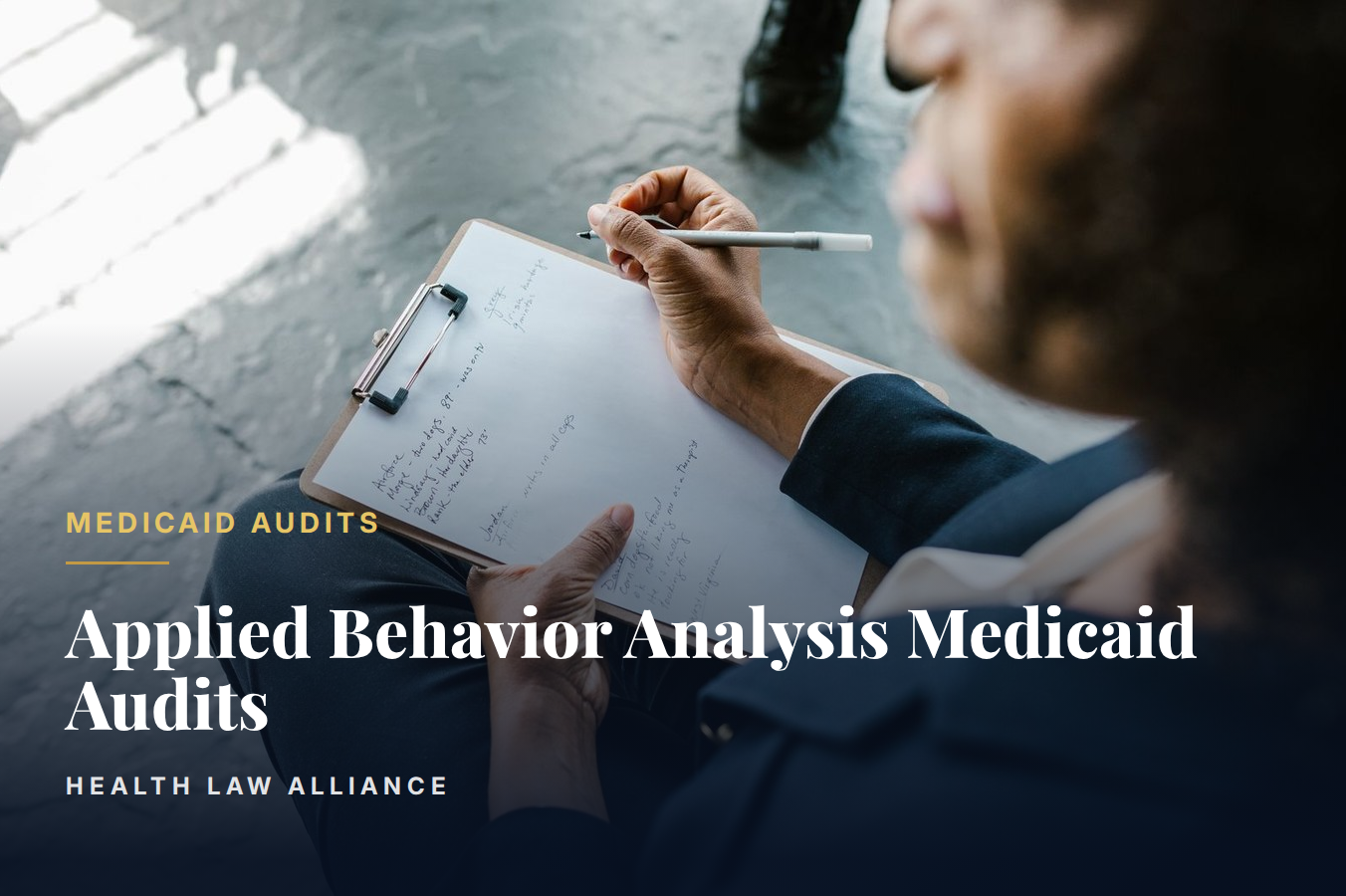
Applied Behavior Analysis Medicaid Audits
OIG's multi-state ABA audit series found improper billing in nearly every sampled case. Supervision, session notes, and authorizat…

Texas Medicaid OIG Audits and Investigations
HHSC-OIG audits Texas Medicaid providers under Chapter 531, with payment holds and a SOAH appeal route that runs on strict, unforg…

Ambulance Medicare Audits: Medical Necessity and Destination
Repetitive non-emergent ambulance transport draws Medicare scrutiny on medical necessity, destination rules, and run-sheet documen…
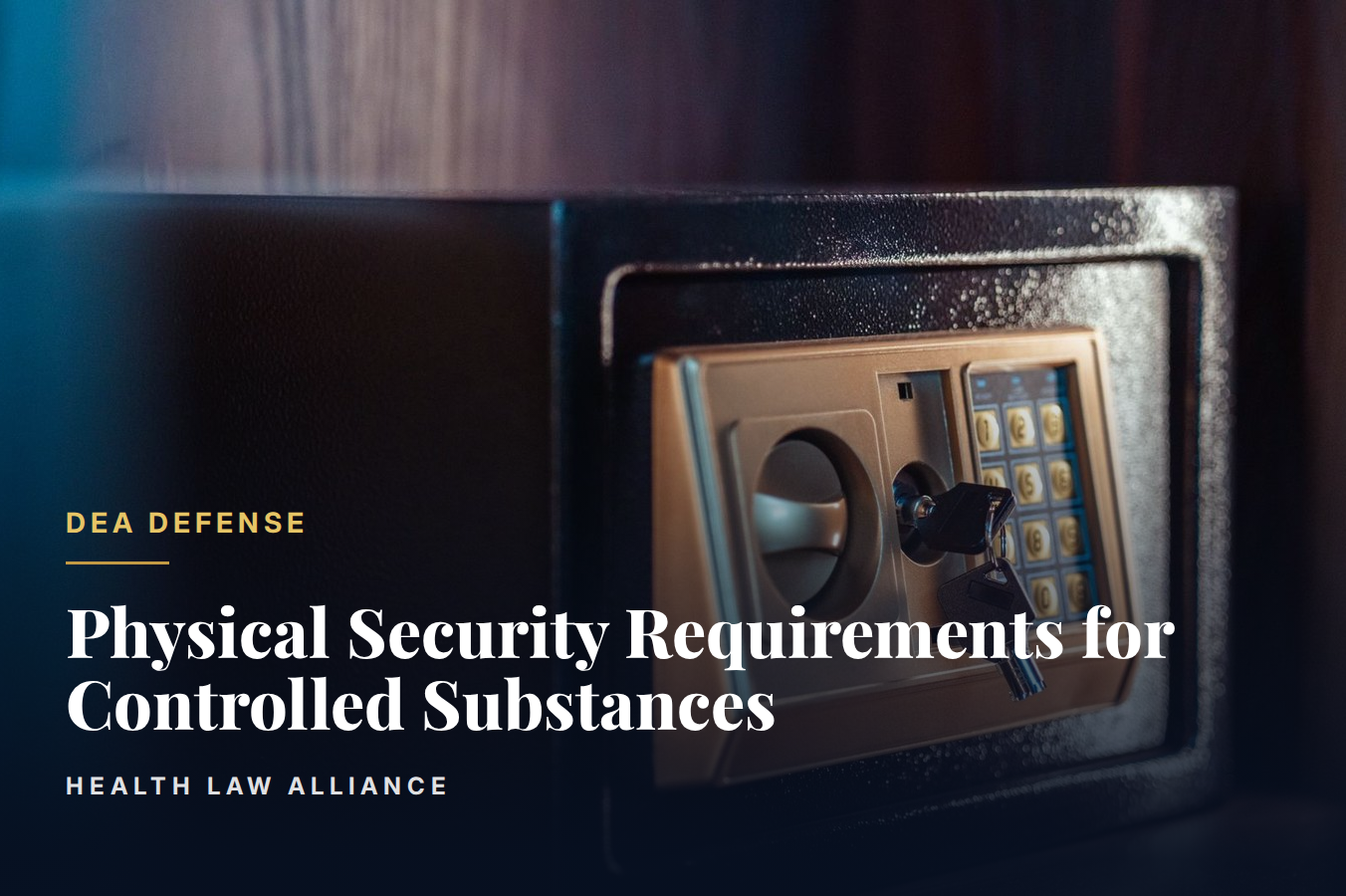
Physical Security Requirements for Controlled Substances
DEA's physical security rules for controlled substances set different storage, screening, and reporting duties for pharmacies than…
PDMP Obligations and Enforcement
State PDMP check-and-report mandates create a dispensing record. DEA and state boards use that record as evidence in diversion inv…
Reinstatement After Medicaid Exclusion
Completing a Medicaid exclusion period does not restore eligibility. Covers OIG reinstatement timing, application standards, and s…

Personal Care Services Medicaid Audits
How state Medicaid auditors use EVV records, attendant timesheets, and aide qualification files to build personal care services ov…
Taking a Medicare Overpayment to Federal Court
Providers must exhaust five levels of Medicare appeal before federal court review, then face a strict deadline and a narrow standa…
Signature Requirements in Medicare Documentation
How CMS defines a valid Medicare signature, when a signature log or attestation statement can fix a missing or illegible one, and…
Partial Fills of Schedule II Prescriptions
DEA rules allow partial fills of Schedule II prescriptions in three distinct scenarios, each with its own timing limits and requir…
Opioid Treatment Program DEA Obligations
DEA registration, SAMHSA certification, and state approval are all required before an OTP can dispense methadone or buprenorphine.
RAC Audits Versus UPIC Audits: Know Which One You Have
RAC audits chase improper payments for a contingency fee. UPIC audits investigate fraud and can trigger a payment suspension befor…
New Jersey Medicaid Fraud Division Investigations
New Jersey Medicaid audits can trigger a parallel Medicaid Fraud Control Unit investigation, with separate civil and criminal expo…
Emergency Oral Schedule II Prescriptions
DEA rules limit an emergency oral Schedule II prescription to the emergency period and require a written follow-up within 7 days,…
New York OMIG Audits: Process and Defense
New York's OMIG moves audits through a draft report, a 30-day response window, and a 60-day appeal deadline that cannot be extende…
QIC Reconsideration: Building the Record for ALJ
Level 2 of the Medicare appeals process sets a 180-day filing deadline and an evidence rule that can decide the case before it rea…
Employee Screening Obligations for DEA Registrants
DEA rules bar hiring anyone with a controlled-substance felony or a denied, revoked, or surrendered registration. What the duty to…

Michigan Medicaid Audits and Provider Defense
How MDHHS OIG audits Michigan Medicaid providers, when self-audit and disclosure options apply, and how the state's appeal process…

Physician Orders and Certifications Under Audit
What a valid Medicare physician order or certification must contain, the timing and signature rules, and the defects that trigger…

Medicaid Transportation Provider Audits
State Medicaid programs and MFCUs are auditing non-emergency medical transportation providers over trip logs, eligibility, and mil…

Modifier 25 Audits: Separately Identifiable Service
How Medicare contractors evaluate modifier 25 claims, the documentation that supports separately identifiable E/M services, and co…
Dispensing Controlled Substances to Out-of-State Patients
Nonresident pharmacy licensure, prescriber DEA registration, and shipping verification obligations for controlled substances sent…

Distributor and Reverse Distributor Registration
A guide to when pharmacy transfers, returns, or destruction of controlled substances trigger DEA distributor or reverse distributo…
Medicaid Self-Disclosure: When and How
When a discovered Medicaid overpayment calls for self-disclosure, the federal 60-day rule, state variation, and how to preserve po…
Medicaid Provider Agreement Termination
For-cause termination, non-renewal, and the reinstatement route under 42 CFR 455.416 and 455.101, and why procedures vary by state…
Medicare Revalidation: Getting It Right the First Time
The five-year cycle under 42 CFR 424.515, why a missed deadline triggers deactivation rather than revocation, and how to reactivat…
Medicare Reenrollment Bars: How Long You Are Out
The bar under 42 CFR 424.535(c) runs one to 10 years, longer for felony convictions or a second revocation, and it follows a physi…
DEA Registration Renewal and Lapse Consequences
The DEA's three-year renewal cycle, the 45-day rule that preserves authority during processing, and what a lapsed registration exp…
DEA Civil Penalty Settlements for Recordkeeping Violations
The current per-violation cap for DEA recordkeeping findings, how DEA counts violations, and when a finding stays civil instead of…
Medicare Appeals Council Review After an ALJ Loss
The 60-day deadline, the Council's de novo standard, and when escalating a Medicare ALJ loss toward federal court is worth pursuin…
Medicaid Payment Suspension: Getting the Hold Lifted
How the credible allegation of fraud standard triggers a Medicaid payment suspension under 42 CFR 455.23, and the good-cause argum…
Closing a Pharmacy: Transferring Controlled Substance Inventory
How a closing pharmacy must notify DEA before transferring inventory, take a closing count, surrender its registration, and retain…

Medicaid Managed Care Plan Audits Versus State Audits
How a managed care plan's SIU review differs from a state Medicaid program integrity audit, and why a provider can face both on th…
DEA Administrative Hearings: Process and Preparation
How the DEA administrative hearing process works under 21 CFR Part 1316, from the order to show cause through the public interest…

Medicare Redetermination: Winning at Level One
What a Medicare redetermination request must include, the 120-day filing deadline, and why treating Level One as a formality costs…
MAC Targeted Probe and Educate: What TPE Really Means
What triggers a Medicare Administrative Contractor's Targeted Probe and Educate review, the three-round structure, and the referra…
Medicaid Extrapolation Challenges at the State Level
State Medicaid extrapolation runs on state law, not the federal standard Medicare RAC and UPIC audits follow, and the sampling met…
Medical Necessity Denials: Building the Clinical Record
What Medicare auditors look for in the clinical record before denying a claim as not reasonable and necessary, and how physicians…
Medicaid Fair Hearings: Preparing Your Case
How a Medicaid provider should prepare evidence and witnesses before a fair hearing under 42 CFR Part 431, Subpart E.

ARCOS Reporting and What DEA Sees About You
ARCOS captures every controlled substance transaction from manufacturer to pharmacy, giving DEA data on your pharmacy before it op…
Buprenorphine Prescribing After the X-Waiver Repeal
The DATA-Waiver requirement for buprenorphine prescribing is gone, but a pharmacist's corresponding responsibility and recordkeepi…

Medicaid Dental Audits and Documentation
How Medicaid dental audits test radiograph support, medical necessity narratives for restorative work, and heightened pediatric cl…
Interest on Medicare Overpayments: How It Accrues
How interest accrues on a Medicare overpayment appeal under 42 CFR 405.378, how the rate is set, and what recoupment pauses do not…
Incident-To Billing: The Rules Auditors Apply
Medicare's incident-to billing rules require direct physician supervision and an established plan of care, and RAC and MAC auditor…
Perpetual Inventory as a Defense Against Shortage Findings
How a continuously reconciled perpetual inventory helps a pharmacist-in-charge document variance before a DEA shortage finding bec…

Refusal to Fill: Balancing Diversion Risk and Patient Care
How a pharmacist-in-charge weighs the corresponding responsibility to prevent diversion under 21 CFR 1306.04 against ADA patient a…
Medicaid Exclusion and Its Effect on Other Payers
How a state Medicaid exclusion reported to the OIG becomes a federal exclusion and a trigger for commercial payer network terminat…

Illinois Medicaid Audits and HFS-OIG Review
How the Illinois HFS Office of Inspector General audits Medicaid providers, recoups overpayments, withholds payments, and the appe…

Home and Community Based Services Audits
How CMS plan-of-care rules for 1915(c) and 1915(k) HCBS waivers work, what OIG audits have found, and the records providers need t…
Immediate Recoupment: Should You Request It
How Medicare overpayment interest under 42 CFR 405.378 weighs against a physician's appeal rights, and when requesting immediate r…
Failing Round Three of TPE: What Happens Next
What happens when a physician's error rate stays high after three rounds of TPE: MAC referral to CMS, prepayment review, extrapola…
Employee Drug Diversion: Detection and Response
Detection controls, internal investigation steps, and the DEA and state board reporting duties that apply once a pharmacy suspects…
Electronic Prescribing of Controlled Substances Compliance
What DEA's EPCS rule under 21 CFR Part 1311 requires of a pharmacist-in-charge: identity proofing, two-factor authentication, and…
Good Cause Exceptions to a Medicaid Payment Suspension
42 CFR 455.23(e) lets a state decline a Medicaid fraud payment suspension when beneficiary access to care is at risk, if the provi…
Georgia Medicaid Audits and Program Integrity Review
How DCH's Program Integrity Unit audits Georgia Medicaid providers, the records it demands, and the 10-day OSAH appeal deadline.
Face-to-Face Encounter Requirements and Audit Denials
How 42 CFR 424.22 and 42 CFR 410.38 define the Medicare face-to-face encounter, what the note must show, and why audits deny it.
Documenting Red Flag Resolution at the Counter
How pharmacist-in-charge documentation of red flag resolution under DEA's corresponding responsibility standard shows diligence, n…
Extended Repayment Schedules for Medicare Overpayments
ERS eligibility under 42 CFR 401.607, the hardship and extreme hardship showings, and structuring repayment around practice cash f…
DEA Form 41 and Controlled Substance Destruction
The DEA Form 41 witness rule, the reverse distributor's 30-day clock, and the documentation a pharmacy needs before destroying con…
E/M Level Selection Under Audit After the 2021 Changes
Since 2021, physicians choose an E/M level by time or medical decision making. Medicare audits test whether the note supports whic…
Florida AHCA Medicaid Audits: Overpayment Calculation and Hearing Rights
AHCA calculates Florida Medicaid overpayments through statistical extrapolation and gives providers 21 days to request a Chapter 1…
Electronic Visit Verification and Medicaid Audit Findings
Medicaid EVV records verify home visits, and mismatches are now central evidence in personal care and home health audit findings.
Corrective Action Plans After Medicare Revocation
A Medicare revocation opens a 30-day window for a Corrective Action Plan and a 60-day window for reconsideration, and missing eith…
DEA Form 222 and CSOS Ordering Errors
Schedule II orders run through DEA Form 222 or CSOS under 21 CFR Parts 1305 and 1311. Small recordkeeping errors in either draw in…
DEA Form 106: Reporting Theft or Significant Loss
The 45-day DEA Form 106 deadline, the one-business-day notice rule, and the six factors DEA uses to judge whether a loss is signif…
California Medi-Cal Audits and Recovery
How DHCS selects providers for a Medi-Cal audit, how the overpayment and withhold work, and the OAHA appeal sequence providers mus…
Behavioral Health Medicaid Audits
State Medicaid audits of behavioral health providers turn on service definitions, staff credentialing files, and time-based billin…
CMS-855 Enrollment Errors That Trigger Revocation
CMS revokes Medicare billing privileges over CMS-855 misrepresentation, missed 30-day ownership reports, and undisclosed felony co…
Change of Ownership and Medicare Enrollment Risk
A Medicare change of ownership can transfer the seller's overpayment liability to the buyer. What CHOW mechanics and CMS-855 timin…

Corresponding Responsibility: The Pharmacist's Duty
Under 21 CFR 1306.04, pharmacists share legal responsibility for every controlled substance prescription, including how they resol…
DEA Biennial Inventory Requirements: Getting It Right
DEA biennial inventory rules govern timing, exact counts by schedule, and retention. What a pharmacist-in-charge needs to get righ…
Marketing Arrangements in Telehealth: Where Kickback Risk Concentrates
Lead generators, per-consult fees, and telemarketing deals can cross from bona fide advertising into referral payments the Anti-Ki…
Practicing Across State Lines: Telehealth Licensure Enforcement
State boards can discipline telehealth providers who treat out-of-state patients without proper licensure, even when compact pathw…
Physician License Investigations: Standard of Care and Documentation Cases
A standard-of-care investigation turns on the chart, not the encounter. Peer review, NPDB reporting, and documentation gaps shape…
Telehealth Platform Agreements: Terms That Create Liability for Clinicians
Volume-based pay, clinical control limits, and one-sided indemnification clauses in telehealth platform agreements can expose phys…

Pharmacist License Defense: Common Allegations and Outcomes
How state pharmacy boards evaluate dispensing error, recordkeeping, and diversion allegations, and the outcomes each type typicall…
Remote Patient Monitoring Audits: The 16-Day Rule and Time Requirements
CMS's 2026 RPM billing changes reshape CPT 99453, 99454, 99457, and 99458, raising audit stakes for telehealth providers on device…

License Reinstatement: Building the Rehabilitation Record
A guide for physicians petitioning to reinstate a suspended or revoked license: eligibility windows, rehabilitation evidence, and…
National Practitioner Data Bank Reports: Triggers and Disputes
A National Practitioner Data Bank report can follow a physician for a career. What triggers a report, subject statement rights, an…
Inside an FCA Investigation: The Defense Timeline
How a False Claims Act investigation moves from civil investigative demand to DOJ decision, damages workup, and settlement for phy…
Suspicious Order Monitoring: What DEA Expects From Registrants
DEA requires registrants to design, operate, and document a suspicious order monitoring system, or face registration and civil pen…
Red Flags in Controlled Substance Dispensing: The Resolution Record
Federal law imposes corresponding responsibility on dispensing pharmacists. What a defensible red flag resolution record must cont…
When Auditors Pull Telehealth Prescribing Records
How Medicare and UPIC auditors evaluate telehealth prescribing records for synchronous-visit proof and patient identity verificati…
Telehealth Fraud Enforcement: What DOJ Actions Target
DOJ's 2026 national takedown charged 455 defendants and $6.5 billion in fraud, with telemedicine schemes again central to the patt…
License Cases That Run Beside Criminal Investigations
A medical board complaint and a criminal referral can arise from the same conduct, and a board statement can become evidence again…
Monitoring and Impaired-Practitioner Programs: Entry, Terms, and Exit
Voluntary and board-ordered PHP monitoring differ sharply in confidentiality. Here is what happens when compliance or completion i…
DEA Voluntary Surrender of Registration: What Form 104 Waives
DEA Form 104 ends a registration the moment it is signed and waives the right to a hearing. Here is what counsel can still preserv…
DEA Registration Denials and the Public Interest Factors
DEA weighs five statutory public interest factors before denying or renewing a physician's registration, and prior board disciplin…
Statistical Sampling in FCA Cases: Where Courts Draw Limits
Courts let sampling size FCA damages routinely, but proving liability by extrapolation turns on representativeness and sample meth…
The 60-Day Overpayment Rule: Identification, Quantification, and Repayment
CMS's 2025 rule replaced reasonable diligence with the False Claims Act's knowing standard for when a Medicare overpayment is iden…
Telehealth Billing Audits: Modifiers, Originating Sites, and Time
Medicare and Medicaid audits of telehealth claims focus on billing modifiers, the originating site requirement, and time-based doc…

Consent Orders in License Cases: What You Give Up and What You Keep
A consent order can end a licensing board case without a hearing, but it carries reporting and payor consequences that outlast the…
Prescribing Controlled Substances via Telehealth: The Current Rules
The DEA's telemedicine flexibilities for controlled-substance prescribing run through the end of 2026. Here is what prescribers ne…
How a Licensing Board Complaint Becomes an Investigation
How a state board of pharmacy or medical board complaint moves from intake through an investigator interview to dismissal, informa…
DEA Recordkeeping: The Audit-Ready Controlled Substance File
What pharmacies must document under DEA recordkeeping rules, from biennial inventories to theft and loss reports, before an inspec…
Responding to a DEA Order to Show Cause
A DEA order to show cause starts a 30-day deadline to request a hearing. Here are the grounds for revocation and the settlement pa…
The Materiality Defense After Escobar
The Supreme Court's Escobar decision made materiality a rigorous, fact-intensive defense in False Claims Act cases against healthc…
How a Qui Tam Lawsuit Unfolds: From Sealed Complaint to Intervention
A qui tam lawsuit under the False Claims Act moves through a sealed investigation before a physician or practice ever learns a cas…
DEA Inspections: A Pharmacy's Rights and Obligations
DEA investigators at the pharmacy door: the difference between a warrant and a consent request, and the lawful scope limits on eit…
DEA Immediate Suspension Orders: The Imminent Danger Standard
An Immediate Suspension Order halts controlled substance dispensing the moment it is served. Here is the imminent danger standard…
Parallel Proceedings: Managing Civil, Criminal, and Administrative Tracks at Once
An audit, a False Claims Act case, and a licensure action can arise from one billing pattern at the same time. Coordinating the th…
SMRC Audits: What Providers Should Know
The Supplemental Medical Review Contractor runs CMS-directed project reviews with a 45 day ADR deadline. Here is how compliance of…
OIG Exclusion: Scope, Screening, and Collateral Damage
An OIG exclusion bars billing to federal health programs and forces termination from any employer that receives federal funds, cli…
False Claims Act Damages and Per-Claim Penalties
Treble damages combine with a per-claim civil penalty to turn a modest per-claim error into ruinous total exposure, and claim volu…
FCA Civil Exposure vs Criminal Charges: Keeping Them Apart
A civil FCA demand and a criminal healthcare fraud charge trigger different statutes, standards, and remedies. Physicians need to…
From Desk to Courtroom: When a PBM Audit Leads to a Legal Battle
For many pharmacies, a PBM audit begins innocently enough. A letter arrives requesting prescription records, invoices, proof of de…
Health Law Alliance Secures a Reversal of OptumRx’s Network Termination for a California Pharmacy
Health Law Alliance recently secured a favorable outcome for a California independent pharmacy after OptumRx rescinded its decisio…
PBM Audit Defense Insights: Avoiding the Top PBM Audit Traps That Lead to Termination
For many pharmacies, a PBM audit begins as a routine request for records and ends with a startling realization: what appeared to b…
When “Retail” Isn’t Retail Enough: PBMs Increase Scrutiny of Mailed Prescriptions
Independent pharmacies have increasingly adapted their operations to compete with major pharmacy chains, finding ways to meet pati…
Health Law Alliance Successfully Prevents OptumRx Network Termination Following Pharmacy Audit
Independent pharmacies across the country continue to face aggressive scrutiny from Pharmacy Benefit Managers (“PBMs”) through aud…

Debunking 5 Common PBM Audit Myths That Put Pharmacies at Risk
For many independent pharmacies, receiving a PBM audit notice can feel like a routine administrative matter. But in today’s enforc…

Medicaid Self-Audit Demand Letters: Options Before You Certify
A Medicaid self-audit letter can convert a routine compliance review into False Claims Act exposure. Scope the response before you…
Medicare Payment Suspensions: Credible Allegations and the Path Back
CMS can suspend Medicare payments on reliable information or a credible fraud allegation, long before any hearing on the underlyin…
Corporate Integrity Agreements: Terms, Costs, and Negotiation
A Corporate Integrity Agreement binds a provider for five years, with IRO review, self-reporting duties, and stipulated penalties…
UPIC Prepayment Review: The Exit Strategy
A UPIC holding claims for individual review freezes cash flow claim by claim. Here is the documented path CMS requires to end prep…

When a UPIC Audit Becomes a Law Enforcement Referral
A UPIC audit can escalate into a referral to HHS-OIG or DOJ. Here is what triggers it and why the audit response matters.
Medicaid Payment Suspensions Under 42 CFR 455.23
A credible allegation of fraud triggers a mandatory Medicaid payment suspension under 42 CFR 455.23, but a written rebuttal can li…
Medicare Prepayment Review: Getting Off the Payment Hold
A Medicare payment hold can drain a practice's cash reserves. Learn how providers land on prepayment review and the exit criteria…
Billing Error or Fraud: Where Enforcement Draws the Line
Civil and criminal healthcare fraud statutes apply different knowledge standards. Documentation is what separates a billing error…
Stark Law vs the Anti-Kickback Statute: The Differences That Matter
Stark Law imposes strict liability on physician referrals. The Anti-Kickback Statute requires proof of intent. How the exposure di…
SafeGuard Services UPIC Audits: What Providers Should Know
SafeGuard Services LLC is the CMS UPIC for the Northeast and Southeast. Here is how its fraud reviews unfold and what providers sh…
The Five Levels of Medicare Overpayment Appeals
A physician's guide to Medicare overpayment appeals: filing deadlines, recoupment timing, and where cases are won at each level.
Medicaid Managed Care Audits: How MCOs and PBMs Enforce Contract Terms
Medicaid MCOs delegate pharmacy audits to PBMs under 42 CFR Part 438, but the network contract, not state regulation, controls the…
CoventBridge UPIC Audits: Process and Response
CoventBridge holds CMS's Midwest UPIC contract. Here is how its Medicare and Medicaid fraud reviews unfold, and how physicians sho…
Challenging Extrapolation in Medicare Overpayment Demands
A small claims sample can produce a six-figure Medicare demand. Learn how the sampling universe and methodology can be challenged.
A DOJ Target Letter: What Happens in the First 48 Hours
A DOJ target letter signals substantial evidence, not a guaranteed indictment. What happens in the first 48 hours often matters mo…
Medicaid Fair Hearings: Appealing Audit and Enrollment Actions
How the Medicaid fair hearing process works under 42 CFR Part 431: notice, evidentiary record, and preserving payment during appea…

Medicare Billing Privilege Revocations Under 42 CFR 424.535
A physician's guide to Medicare revocation grounds, the reenrollment bar, corrective action plan deadlines, and the appeal path un…
The Federal Healthcare Fraud Statute (18 USC 1347) Explained
A physician's guide to 18 USC 1347: the elements, intent standard, penalties on conviction, and the line separating it from civil…
Grand Jury Subpoenas in Healthcare Investigations
A guide to document and testimony subpoenas, grand jury secrecy, privilege, and production strategy for physicians facing a federa…
UPIC Site Visits: How to Prepare and What Inspectors Review
An unannounced UPIC site visit can arrive without warning. What inspectors review, how staff interviews work, and why counsel belo…
The Credible Allegation of Fraud Standard in Medicaid Enforcement
A thin, unverified referral can trigger a mandatory Medicaid payment suspension. Here is how states define a credible fraud allega…
UPIC Audits Explained: The Fraud-Focused Medicare Contractor
UPICs investigate suspected Medicare and Medicaid fraud, not payment accuracy. What a UPIC letter means and how its mandate differ…
Medicaid Exclusion and Termination: Collateral Consequences of an Audit
A state Medicaid termination for cause can trigger mandatory cross-state termination and federal OIG exclusion. What physicians sh…
When to Engage a Medicare Audit Attorney
The points in a Medicare audit where legal exposure escalates: extrapolated demands, prepayment review, fraud referrals, and revoc…
Responding to a Civil Investigative Demand (CID)
How a civil investigative demand works under the False Claims Act, what it can compel, and how to negotiate its scope before respo…
Responding to a Medicare Additional Documentation Request (ADR)
Medicare ADR deadlines run 45 days for MAC, RAC, and SMRC requests, 30 days for UPIC requests. What a complete response package mu…
The Anti-Kickback Statute: Remuneration, Intent, and Safe Harbors
A compliance guide to the Anti-Kickback Statute: the statutory elements, the one-purpose intent test, key safe harbors, and market…
Qlarant UPIC Audits: Jurisdiction and Process
Qlarant runs UPIC fraud investigations across the Western and Southwestern jurisdictions. What triggers a review, what the samplin…
Responding to a UPIC Records Request
A UPIC records request starts a 30-day clock, demands a complete production, and requires a privilege review most practices skip u…
State Medicaid OMIG Audits: Process and Defense
How New York's OMIG audit process works: records demands, the six-year lookback, extrapolation, and the 60-day window to appeal a…
CERT Audits and Error Rate Findings: The Provider Response
How the CERT program samples Medicare claims, calculates the error rate, and what a provider must do after an improper payment fin…
Medicaid Fraud Control Unit Investigations: What Providers Face
A Medicaid Fraud Control Unit investigation can proceed on a civil track, a criminal track, or both. Here is what providers need t…
The Medicare Audit Process: Contractors, Stages, and Deadlines
MAC, RAC, UPIC, SMRC, CERT: which Medicare contractor is auditing you determines the risk. The stages and deadlines every provider…

New Executive Order Signals Faster Psychedelic Drug Approvals--and Closer DEA Scrutiny
On Saturday, April 18, President Trump signed an executive order designed to accelerate federal drug approvals for psychedelic dru…

Texas Moves to Rein in Ketamine Therapy: And Other States are Likely Next
The regulatory environment surrounding ketamine therapy is entering a new phase of maturity and enforcement. Recently, the Texas M…

DOJ Targets Ketamine Clinics: Federal Charges Lead to Prison and Probation for Two Providers
The explosion in demand for ketamine-assisted psychotherapy (“KAP”) has garnered significant media attention over the past few yea…

Clashing with Caremark: $45,000+ in Clawbacks Fully Reversed for Florida Pharmacy
Health Law Alliance helped n independent pharmacy in Florida reverse over $45,000 in clawbacks.

HLA’s Latest PBM Win Highlights the Dangers of Inventory Discrepancies
Inventory discrepancies are one of the first things PBMs look for during an audit. Even minor clerical errors like entering the in…

Defeating Optum: How HLA Won Full Termination Reversals for 7 New York Pharmacies
Health Law Alliance successfully reversed pending terminations for 7 New York pharmacies. Read more about how our PBM audit team a…

Ketamine Marketing Risks for Mental Health Providers
Ketamine marketing is under increasing regulatory scrutiny, with providers facing risk over claims, off-label promotion, and patie…

Building a Regulatory Compliance Checklist for Ketamine Therapy Providers
Ketamine providers face growing regulatory scrutiny across prescribing, marketing, and care models. A focused compliance checklist…

From Prior Authorization to Network Termination: The PBM Audit Trend Independent Pharmacies Must Watch
PBMs are increasingly targeting pharmacies over their role in the prior authorization process, using vague allegations to justify…

Why PBMs are Investigating Provider-Patient Relationships: And What it Means for Your Pharmacy
PBMs are ramping up audit pressure in 2026, now targeting provider-patient relationships to justify recoupments and even network t…

Health Law Alliance Welcomes Compounding Expert Pharmacist-Attorney Dr. Martha Rumore as Of Counsel
Health Law Alliance adds powerhouse Pharmacist/Attorney Dr. Martha Rumore to their team of boutique healthcare attorneys.

Italian Gold Broker Criminally Charged in $86 Million Customs Duty and Tariff Evasion Scheme Released on Bail
Italian national Claudio Fogale was released from federal jail after his attorney, Anthony J. Mahajan, successfully argued that th…

What to Expect in a Wound Care Audit - And Why You Shouldn’t Go It Alone
In 2025, wound care audits have become a top enforcement priority for federal and private payors, leaving providers unprepared and…
DOJ Targets Florida Dermatology Practices’ Wound Care Coding
Earlier this year, the DOJ announced a settlement with Florida dermatology practices over allegations of false wound care claims s…

When a Wound Care Audit Hits, Call Counsel First: How Specialized Attorneys Protect Your Practice
Medicare is intensifying scrutiny of wound care, OIG’s work plan spotlights skin-substitutes and related services, while CMS’s CER…

Approaching the Telehealth Policy Cliff: Medicare Telehealth Flexibilities to Expire Next Week
Without further congressional action, COVID-19 era telehealth flexibilities are set to expire on September 30, 2025. Read more to…

OIG Doubles Down on Increased Oversight for RPM in New Report
On August 28, 2025, the US Department of Health and Human Services’ Office of the Inspector General published a report outlining b…

Standing Up for Pharmacies: How HLA Fought and Reversed Optum’s Termination of a New York Pharmacy
In a recent victory, our attorneys at Health Law Alliance achieved a full reversal of Optum’s termination of a New York pharmacy.…
Health Law Alliance Successfully Sues the DEA and its Administrator, Terrance Cole, in Federal Court to Lift Immediate Suspension Order
Health Law Alliance is proud to announce a major victory in federal court, where it successfully secured the immediate lifting of…

RPM Roundup: Compliance Insights from Recent Remote Patient Monitoring Settlements
Federal enforcement actions are increasingly focused on remote patient monitoring (RPM) services. In this article, we break down t…
Ketamine Clinics & Compounders Now the Focus of Increased DEA Enforcement
The DEA is increasingly targeting ketamine providers with record-keeping inspections and audits, making expert Medicare and DEA co…

HLA's Diana Yastrovskaya Featured on Live TV for PBM Expertise
The feature underscores HLA’s mission to elevate thought leadership within the healthcare space and provide trusted expertise on i…

9th Circuit’s Landmark EKRA Ruling: What Providers Should Know
On July 11, 2025, the 9th Circuit upheld a laboratory operator’s convictions for violating EKRA by paying marketing agents to misl…
Proposed HIPAA Security Rule Overhaul: What’s Changing - and Why Telehealth Providers Should Act Now
The proposed changes to the HIPAA Security Rule stand to have a significant impact on telehealth providers, as they aim to strengt…

OIG Issues Advisory Opinion 25-03, A Roadmap for Compliant Telehealth Staffing Models
On June 6, 2025, the US Department of Health and Human Services’ Office of the Inspector General issued Advisory Opinion 25-03, of…

HLA Wins Full Reversal of PBM Audit Findings for Maryland Pharmacy
Health Law Alliance achieved full reversal of final audit findings for a Maryland pharmacy, just one of numerous victories our att…

DOJ’s 2025 National Health Care Fraud Takedown: What it Means for Telehealth Providers
The DOJ’s 2025 National Health Care Fraud Takedown charged 324 people in schemes totaling $14 billion in intended losses, includin…

Telehealth Audit Season: OIG Found 7 Percent Error Rate in Pandemic-Era E/M Billing
A 2024 OIG study found that 7% of E/M services billed during the pandemic were noncompliant with Medicare billing requirements. We…

Balancing Patient Access and Privacy in Audio-Only Telehealth
Address the specific compliance and privacy challenges associated with audio-only telehealth services. This article will provide t…

10 Telehealth Fraud Red Flags (and How to Avoid Them)
Provide telehealth providers with a concise guide to recognizing and mitigating potential fraud risks. Each “red flag” will highli…
Federal Indictment Against NJ Doctor Collapses in Stunning DOJ Reversal
Health Law Alliance secured a full dismissal of all federal charges against NJ urologist Dr. Mukaram Gazi, marking an unprecedente…
DOJ Files False Claims Lawsuit Against Nationwide Specialty Wound Care Provider
The U.S. Department of Justice has filed a civil action against Vohra Wound Physicians Management, alleging various schemes to sub…

Sun Pharma RICO Lawsuit Exposes Bribery Conspiracy Involving Big Three Wholesalers
Health Law Alliance attorney Anthony Mahajan, a former federal prosecutor, analyzes Sun Pharma's RICO lawsuit against independent…

Understanding Subpoenas for Medical Records: Types, Issuers, and Legal Risks
Many healthcare providers face the challenge of dealing with subpoenas for medical records. These legal demands require careful ha…
How to Respond to an OIG Subpoena: Defense Strategies for Healthcare Providers
Receiving an OIG subpoena means your healthcare practice is under federal investigation, typically for healthcare fraud or regulat…

Provider Alert: New York Physician Indicted in Louisiana for Virtually Prescribing Abortion Medication
New York doctor indicted in Louisiana for prescribing abortion pills via telehealth, raising legal battles over state laws, shield…

DEA Announces Three New Rules Expanding Telehealth Access
This article outlines the details of the three new telehealth rules promulgated by the Drug Enforcement Agency (DEA) and their imp…

Remote Patient Monitoring: Know the Basics of Compliant Billing and Coding
In the article we outline the basics of RPM billing and coding, including which RPM services are billable by payor, the unique fra…

Cross-State Licensing in Telehealth: Challenges, Solutions, and Opportunities
Explore the complexities and barriers telehealth providers face when offering services across state lines. This article will provi…

Leveraging Technology to Stay Ahead of PBM Audits
How technology can transform audit readiness, making compliance less stressful.

Mastering PBM Audit Documentation: Tips for Pharmacies
Dive deep into the documentation side of audits. PBMs often demand a mountain of paperwork, and missteps here can trigger penaltie…

PBM Audits: Proven Strategies, Practical Insights, and Expert Guidance
PBM audits extend beyond paperwork, assessing pharmacy operations, staff preparedness, SOPs, and compliance culture. Proactive str…

Navigating PBM Audits in 2025: A Guide for Pharmacies
Navigate 2025 PBM audits confidently: Key triggers, trends, and preparation tips to protect your pharmacy.

Telehealth and Fraud Prevention: Protecting Your Practice
Address the increasing scrutiny telehealth providers face regarding potential fraud, waste, and abuse in virtual care. This articl…

Telehealth in 2025: Medicare Providers Get Temporary Relief, But Uncertainty Remains
The American Relief Act, 2025, temporarily extends key Medicare telehealth flexibilities through March 31, 2025, preserving access…

Telehealth in 2025: What Medicare Providers Should Know
During COVID-19, Medicare expanded telehealth access by waiving geographic restrictions, broadening provider eligibility, and cove…

Establishing and Documenting Patient-Provider Relationships in Telehealth
Actionable steps to properly establish, document, and maintain these relationships, minimizing risks and enhancing compliance.

Top 10 Telehealth Compliance Mistakes You Might Be Making Right Now (and How to Fix Them)
Top 10 list of common telehealth compliance mistakes, with practical advice on how to identify and correct each issue.

DEA and HHS Extend COVID-19 Telehealth Prescribing Flexibilities Through 2025
Discuss the DEA/HHS joint rule extending the prescribing flexibilities for controlled substances. Include: 1) an overview of the p…

Maximizing Reimbursement for Telehealth Services
Offer telehealth providers a practical guide to navigating billing and reimbursement challenges specific to virtual care. This art…

Common PBM Audit Triggers and How to Avoid Them
Guide independent pharmacies in recognizing and proactively managing specific behaviors and operational trends that commonly lead…
Navigating Informed Consent Requirements in Telehealth: A Provider’s Guide
We examine the complex requirements and risks associated with informed consent for telehealth providers. The article provides acti…

Enforcement of Arbitration Clauses in PBM Network Agreements: A Guide for Pharmacy Owners
This article explains arbitration clauses in Pharmacy Benefit Manager (PBM) network agreements, outlining when these clauses can b…

HLA's Lawsuit Against Optum Achieves Return of Hundreds of Thousands of Dollars in Withheld Reimbursement
Health Law Alliance's lawsuit against Optum has resulted in the immediate release of hundreds of thousands of dollars in reimburse…

HLA Attorney Anthony Mahajan Wins Dismissal of False Claims Lawsuit Against Oncology Dispensing Practice
Health Law Alliance's Anthony Mahajan is pleased to announce the complete dismissal of a lawsuit brought on behalf of the federal…

HLA Files Emergency Texas Lawsuit Against Optum PBM Audit Termination
Health Law Alliance announces the filing of an emergency lawsuit in federal court for the Northern District of Texas, Dallas Divis…

HLA Wins Dismissal of Criminal Charges After PBM Audit
Health Law Alliance has successfully challenged OptumRx's termination decisions for numerous pharmacies, ensuring they can continu…

FTC Issues Interim Report Condemning Anticompetitive PBM Practices
The top Pharmacy Benefit Managers (PBMs) are condemned by the FTC for manipulating the healthcare system to generate significant p…

Seized Ozempic Shipments Highlight Rising Demand and Safety Concerns
Ozempic, a well-known medication for type 2 diabetes, has gained popularity for its off-label use in weight loss, leading to incre…

A Golden Opportunity for Compounding Pharmacies: Navigating the Ozempic Shortage
There has never been a more fortunate time for compounding pharmacies looking to capitalize on the "Gold Rush" of Ozempic. Due to…

Semaglutide Compliance Program: A Must Have
The semaglutide industry is relatively new, and significant regulatory enforcement typically lags by at least two years. According…

Federal Prosecutors Focus on Ozempic Violations
Intense semaglutide demand has now drawn the attention of regulators beyond the Food & Drug Administration (FDA) and state boards.…

Express Scripts FWA Investigative Alert: Crackdown on CoverMyMeds Provider Accounts
Express Scripts is targeting prior authorization Fraud, Waste & Abuse involving the use of CoverMyMeds provider accounts by pharma…

Increased Scrutiny for DEA Registration Applications
DEA registration applications are receiving increased scrutiny as DEA turns its sights on providers and pharmacies to curtail cont…
Medicare Advantage Cuts to Increase PBM Pressures
Insurers have bet big on Medicare Advantage, but the government is slowly cutting back. Faced with rising medical loss ratios and…

Pharmacy Alert: Texas Board of Pharmacy Investigations
Texas pharmacies are facing increasing scrutiny by the Board of Pharmacy, which is working closely with the DEA and other federal…

HLA's Coffey Appointed by Attorney General
HLA's Nancy Coffey, a former government official and healthcare expert, has been appointed to serve a three-year term as an indepe…

Semaglutide Demand is Skyrocketing: Ozempic Opportunities
As summer approaches, soaring demand for weight-loss drugs like Ozempic, Wegovy, and semaglutide compounded copies, will exacerbat…
Off-Label Prescribing and Dispensing: Ozempic, Wegovy, and Other Medications
Anthony Mahajan delves into the intricacies of off-label prescribing and dispensing for medications such as Ozempic, Wegovy, and R…
Semaglutide Compounding Pharmacies Subject to Increasing Regulatory Threats
Semaglutide compounding pharmacies face regulatory threats as state boards interpret statutes restrictively; Health Law Alliance,…

SafeGuard Audits: Don't Let CMS's Contractor Infringe Your Rights
Providers need to know their rights when it comes to investigations and audits by CMS UPIC contractors, such as SafeGuard and Qlar…

Department of Justice Declines to Prosecute HLA Client for Alleged $6M Fraud
After the Department of Justice threatened to indict our client for involvement in an alleged $6M healthcare fraud, we stood firm…

MFCU Agrees Not to Charge HLA Client Following PBM Audit Referral
PBM audits must be handled correctly or severe consequences may result. In this case, HLA was able to persuade prosecutors not to…

Understanding the Investigative Agencies in Healthcare
After the Department of Justice threatened to indict our client for involvement in an alleged $6M healthcare fraud, we stood firm…

DEA's Dangerous New Agenda
Although DEA has long targeted wholesalers as the "choke-point" for stemming diversion, the Agency has now shifted its focus to do…

DOJ Maintains Focus on Inventory Shortfalls
Department of Justice prosecutors continue to file numerous cases against pharmacies and their owners for inventory shortfalls and…

HHS-OIG Prioritizes 2024 Pharmacy Audits
Based on a recent announcement, the federal government (HHS-OIG) will be prioritizing audits of pharmacy claims in 2024. This furt…

PBM Audit Response Summary
PBM audits can be resolved successfully, but more frequent and aggressive audits will require careful planning. Providers should a…

State PBM Reform in Jeopardy After Mulready
The federal government continues to bring enforcement actions relating to false prior authorizations given the high-priced medicat…
Walgreens Must Face Lawsuit Based on False Prior Authorizations
The federal government continues to bring enforcement actions relating to false prior authorizations given the high-priced medicat…
Federal Investigation for OTC Cards is Expanding
Federal prosecutors are expanding a healthcare fraud investigation, charging New York pharmacy owners and employees for violations…

Federal Prosecutors Drop Criminal Charges Against Specialty Pharmacy Owner Relating to False Prior Authorizations
Federal prosecutors have decided not to prosecute the CEO of a Florida specialty pharmacy, represented by Health Law Alliance's An…

Health Law Alliance Recovers More than $20M Unlawfully Seized from Clients by Financial Institutions
Health Law Alliance, with Anthony Mahajan at the helm, recovers $20M+ unlawfully seized by financial institutions, highlighting po…

Novo Nordisk’s Recent Lawsuits to Stop Semaglutide Compounding are Baseless
Anthony Mahajan, an attorney at Health Law Alliance, contends that Novo Nordisk's recent lawsuits against Florida compounding phar…
OIG Accepts Healthcare Fraud Self-Disclosure by Physician and Physician Group
Health Law Alliance, led by Anthony Mahajan, announces the acceptance of a self-disclosure by OIG on behalf of Shore Orthopaedic U…
Audit-Related Prosecutions Rise Sharply
Federal prosecutors are now pursuing felony charges under Section 1035 for false statements in pharmacy audits, extending the risk…

When to Seek Help
Providers facing PBM audits must decide whether to rely on internal staff or seek audit counsel from experienced attorneys, partic…
OIG’s Self-Disclosure Protocol
Healthcare providers facing PBM audits can leverage the OIG's Self-Disclosure Protocol (SDP) to reduce liability by self-reporting…

Potential Windows of Opportunity
Health Law Alliance, specializing in PBM audit defense, highlights the potential benefits of discrepant PBM audits as early warnin…

Defending Inventory Shortfalls
Health Law Alliance addresses the complexities of defending against inventory shortfalls in the context of PBM audits, emphasizing…

Key PBM Audit Considerations
Health Law Alliance provides an overview of the PBM audit process and relevant background for providers who suddenly find themselv…

Inventory Shortfall Case Studies
Health Law Alliance, under Anthony Mahajan's leadership, celebrates favorable outcomes in federal and state cases involving invent…
OIG Accepts Healthcare Fraud Self-Disclosure by Pharmacy
Health Law Alliance, under Anthony Mahajan's guidance, reports the successful acceptance of a self-disclosure for Delmar Pharmacy…

How PBM Audits Can Provoke Government Scrutiny
Health Law Alliance's Anthony Mahajan discusses the potential outcomes and strategies related to Pharmacy Benefit Manager (PBM) au…

NYRx Transition May Increase Medicaid Program Risk
The transition of Medicaid pharmacy benefit to NYRx in New York brings increased dispensing fees but also heightened audit and enf…
Firm Overview & Capabilities
In this article we profile the The Health Law Alliance, a specialized healthcare boutique with a team of experts in government inv…