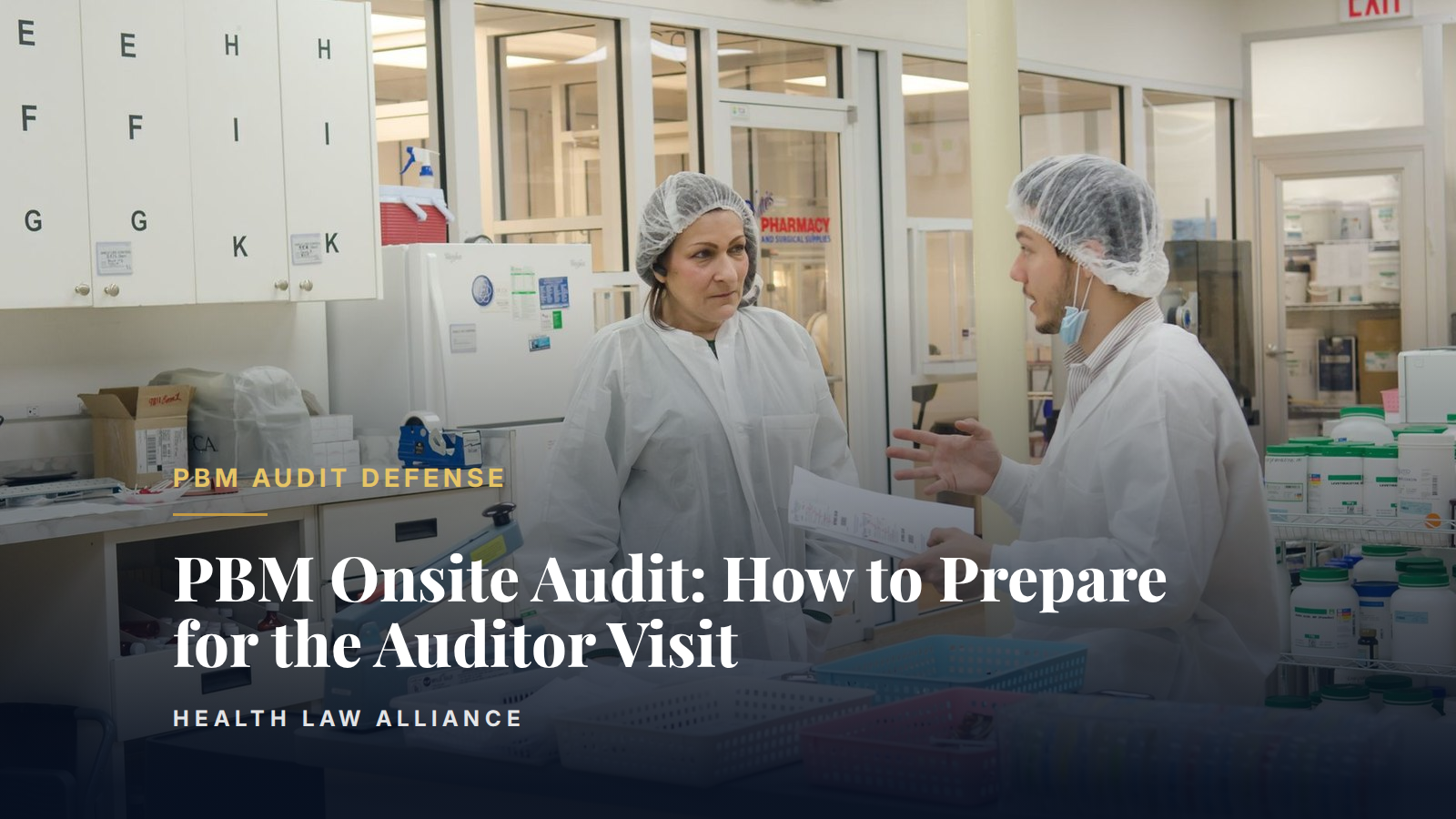
A pharmacy that has been notified an auditor is coming onsite, rather than simply requesting records by mail, is facing a different kind of PBM audit. An onsite visit gives the auditor direct access to staff, workflow, and whatever documentation happens to be sitting on the counter, and what the pharmacy does in the days before that visit, and in the hour it happens, shapes the record the pharmacy benefit manager relies on afterward. Poor staging and an unmanaged conversation on the day of the visit can turn a routine audit into findings that support recoupment or, if findings accumulate, network termination. Preparation should begin the moment the visit is scheduled, not the morning it arrives.
Confirm the Scope Before the Visit
The written audit notice, not a phone call or a verbal description from the auditor, defines what the visit may cover. Before the scheduled date, the pharmacy should identify the exact date range, claim numbers or prescription categories, and audit type the notice describes, and confirm that internally with whoever will be present. If the notice is vague or silent on scope, the pharmacy's designated contact should ask the PBM or its auditing vendor to clarify in writing before the visit, rather than letting the scope be defined informally once the auditor is standing at the counter.
Stage Documents in Advance
Once the scope is confirmed, the pharmacy should gather every document the notice could reasonably call for, prescriptions, signature logs, delivery confirmations, prior authorizations, and any wholesaler invoices tied to the claims in question, and organize them by claim before the auditor arrives. Records should be pulled from their normal storage and staged in one location so staff are not searching for documents while the auditor waits. A copy of everything produced should be retained by the pharmacy; the pharmacy should never hand over an original without keeping a duplicate, and every item actually produced during the visit should be logged as it is handed over.
Designate a Single Point of Contact
One person, ideally the pharmacist-in-charge or owner, should be designated to speak with the auditor and answer questions; other staff should be instructed to direct questions to that person rather than answering informally. An auditor working the floor can ask a technician an offhand question that becomes part of the record, even when the technician had no authority to speak for the pharmacy and no way to know the answer mattered. Staff should be told, before the visit, that they are not required to answer substantive questions and should route them to the designated contact.
The auditor's presence in the pharmacy does not expand the scope the written notice already fixed, and the pharmacy is not required to let the visit drift into records or time periods the notice never described.
Control Scope on the Day of the Visit
If the auditor asks for records outside the noticed scope, or begins reviewing claims from a different date range, the designated contact should note the request, decline to expand the visit on the spot, and follow up with the PBM in writing afterward rather than negotiating scope in real time. The pharmacy should keep its own contemporaneous notes of what was requested, what was produced, and what the auditor said, since that record may matter later if findings lead to recoupment or an audit appeal. Pharmacies that have been through a MedImpact or Navitus audit have seen how quickly informal answers given during a visit resurface in a findings letter, and how an unmanaged onsite visit can escalate toward network termination when the PBM treats the visit itself as evidence of noncompliance.
Why Early Legal Counsel Is Critical
It is critical that pharmacies promptly retain experienced healthcare defense counsel before an onsite PBM audit visit. Early legal intervention can protect the pharmacy's rights, ensure the visit stays within the audit notice's stated scope, prevent inadvertent admissions during the visit, and preserve appeal rights if findings follow. Delaying legal representation can significantly affect the outcome of a matter and expose the pharmacy to unnecessary risk.
How Health Law Alliance Can Help
Health Law Alliance has represented 2,500+ pharmacy clients over 25+ years in matters involving PBM audit defense, including onsite audit visits, document staging, and disputes over scope and findings. Contact Health Law Alliance for a free, confidential consultation.