

Diana Yastrovskaya
Articles by Diana

Your PSAO's Role in a PBM Audit
A PSAO holds the network contract behind a PBM audit and often handles the notice and remittance, but the response deadline and pr…
Reversing and Rebilling Claims After a PBM Audit Notice
Reversing and rebilling a flagged claim after a PBM audit notice can read as concealment, not correction, under how provider manua…
State Pharmacy Audit Laws and When They Apply to a PBM Audit
Most states protect pharmacies during PBM audits through their own audit statutes, but a self-funded plan's ERISA status can chang…
Vetting a 503B Outsourcing Facility Before You Order
A hospital, clinic, or practice that orders from a 503B outsourcing facility inherits its compliance record. A buyer-side checklis…
The 503B Bulk Drug Substances List and the Clinical Need Standard
The 503B Bulks List governs outsourcing facilities under its own clinical need standard, separate from the 503A list, with a short…
Responding to a PBM Audit When Records Are Missing
A system migration, a fire, or a ransomware event does not excuse a PBM audit response. What to document, reconstruct, and disclos…
Payment Holds During a PBM Audit
When a PBM holds payment or routes claims to manual review during an audit, the provider agreement, not a government rule, control…
NDC Mismatch Findings in a PBM Audit
PBM auditors treat a billed NDC that does not match the dispensed product as unverified, not underpriced, which is why the finding…
Insanitary Conditions Findings at Compounding Facilities
FDA uses the insanitary conditions theory under FDCA Section 501(a)(2)(A) to adulterate compounded drugs and drive recalls, withou…
FDA Escalation After a Warning Letter: Injunction, Seizure and Consent Decree
What follows an unresolved FDA warning letter: a voluntary recall request, seizure, a civil injunction, and the consent decree tha…
How Far Back a PBM Can Audit Your Claims
The PBM audit lookback comes from the network agreement, then state audit law, then the contract limitations period, never a fixed…
FDA Inspection of a Compounding Pharmacy: Scope, Records and Refusals
The Form 482 notice, 503A versus 503B records-access authority, sampling, photography, and what a refused inspection triggers.
503B Reporting Obligations After Registration
The recurring FDA duties a 503B outsourcing facility carries after registration: the biannual product report, annual renewal, and…
Copay Collection Findings in PBM Audits
PBM auditors test copay collection against payment records and patient contact. A documented hardship waiver survives; an undocume…
Brand Manufacturer Lawsuits Over Compounded GLP-1 Drugs
Brand-name GLP-1 manufacturers are suing compounders and telehealth sellers directly, using false advertising and trademark claims…
When a PBM Audit Triggers a State Board Referral
Some PBM audit findings do not stay a reimbursement dispute. They get referred to the state board of pharmacy, putting the license…

Buying a Pharmacy With an Open PBM Audit
An open PBM audit does not have to sink a pharmacy sale, but it changes how the deal should be structured, priced, and documented.
The Demonstrably Difficult to Compound List
FDA has proposed three drug categories that could no longer be legally compounded under 503A or 503B. What the list covers, and ho…
PBM Onsite Audit: How to Prepare for the Auditor Visit
How pharmacies should stage documents, designate a point of contact, and control scope before and during a PBM onsite audit visit.
PBM Invoice Audit: Proving Your Purchases
Wholesaler invoice reconciliation, shortage findings, and extrapolation: how PBM audits weigh a pharmacy's proof of purchase, and…

Telehealth Partnership Models for Compounding Pharmacies
How telehealth platform fees to compounding pharmacies can cross into Anti-Kickback Statute exposure, and how to structure the agr…
Marketing Claims for Compounded Drugs
FDA and FTC apply separate rules to compounded drug marketing, and a single ad can trigger both. What claims are permitted, and wh…

When to Involve Counsel in a PBM Audit
The audit notice does not announce its own stakes. Which PBM audit decisions actually turn on counsel, and which ones turn on the…

What a PBM Audit Costs an Independent Pharmacy
Recoupment is only one line item. Staff hours, a mid-audit cash-flow offset, and a missed appeal deadline each add their own cost…

Usual and Customary Price Findings in PBM Audits
PBM auditors treat a pharmacy's usual and customary price as a real, enforceable number. Here is how the finding is calculated, tr…
Telehealth-Originated Prescriptions in PBM Audits
PBMs are increasingly recouping on prescriptions written through telehealth, citing invalid prescriber relationships. Here is how…
Signature Log Deficiencies: The Most Common Audit Finding
A missing or illegible signature is one of the most common PBM audit findings pharmacies face, and one of the most recoverable wit…
Self-Auditing Your Pharmacy Before the PBM Does
How pharmacies can sample their own claims, fix the systemic cause behind errors, and document the fix before a PBM audit finds it…
Responding to a PBM Audit While Short-Staffed
How to triage a PBM audit response when your pharmacy is short-staffed, what a technician can handle, and what needs the pharmacis…

Preserving Your Appeal Rights in a PBM Audit
Waiver traps hide in the correspondence that comes before the formal appeal. What preserves a pharmacy's PBM audit appeal rights,…
Pharmacy Audit Documentation Retention Requirements
Medicare Part D, PBM contracts, and state pharmacy boards each set a different retention clock, and purging early can cost a pharm…
Pharmacy Technician Errors That Become Audit Findings
DAW code slips, days' supply miscalculations, and refill-too-soon overrides at the technician level routinely become PBM recoupmen…
Pharmacy Audit Defense: What Actually Reverses a Finding
PBM audit findings get reversed on three grounds: documentation the auditor rejected, ambiguous contract terms, and procedural def…

PBM Audits and Your Wholesaler Relationship
PBM invoice reconciliation audits can turn a pharmacy's wholesaler purchase records into a recoupment finding, even when shelf inv…

PBM Audit Appeal Levels: The Full Sequence
A PBM audit appeal moves through preliminary findings, a Level 1 appeal, a Level 2 appeal, and a final determination, each with it…
PBM Audit Timeline: From Notice to Final Determination
Every stage of a PBM audit runs on a deadline, from the on-site notice period to the appeal window after a final determination. He…
GLP-1 Weight-Loss Claims Under PBM Review
PBM audit teams are reviewing brand GLP-1 claims for diagnosis mismatches, thin prior authorization records, and dosing patterns t…
Partial Fills and Audit Discrepancies
How Schedule II and III-V completion windows create billing mismatches that trigger PBM audit findings, and the documentation that…

Multi-Location Pharmacy Groups: Audit Exposure Across Stores
PBM audits opened against one store can extrapolate findings and expand network termination risk across every commonly owned pharm…

Inventory Reconciliation Shortfalls in Pharmacy Audits
PBMs flag inventory shortfalls by matching purchase invoices to billed claims. Legitimate variance and shortage-driven NDC swaps e…
Insulin and Diabetic Supply Audit Findings
PBM audits target high-utilization insulin, test strip, lancet, and CGM claims. Here is the quantity-limit and days-supply documen…
How to Write a PBM Audit Response Letter
How pharmacies structure a point-by-point rebuttal, organize exhibits, and avoid admissions that undermine a later PBM audit appea…
Controlled Substance Claims in a PBM Audit
When a PBM audit flags controlled substance claims, the same dispensing patterns can trigger DEA scrutiny. Sequencing the response…
Discount Card Claims and PBM Audit Scrutiny
Discount card claims like GoodRx route through the PBM, and a mismatched usual and customary price can trigger a full-lookback PBM…
Veterinary Compounding Under the New FDA Guidance
GFI #256 narrows when compounded veterinary office stock is lawful, and state veterinary and pharmacy boards add a second layer of…
Writing an FDA Warning Letter Response That Works
A compounding pharmacy's FDA warning letter response has to show root cause analysis, a dated corrective action plan, and commitme…
Central Fill and Audit Documentation Gaps
How DEA rules split prescription records between originating and central fill pharmacies, and where PBM audits find the gap betwee…
Challenging Extrapolation in a PBM Audit
How PBM extrapolation inflates a small audit sample into a six-figure recoupment demand, and the statistical and state-law objecti…
USP 800 Hazardous Drug Compliance for Pharmacies
Containment requirements, the assessment of risk exception, and the inspection findings that follow a USP 800 compliance gap.
USP 795 Nonsterile Compounding Standards
What USP 795 requires for nonsterile compounding: master formulation records, beyond-use dating, and where FDA and state board ins…
Sterility Testing Failures and Your Response
A failed USP <797> sterility test triggers a root cause probe, a recall decision, and separate state board and FDA reporting dutie…
Semaglutide Salt Forms: Why the Base Matters
FDA says semaglutide sodium and semaglutide acetate are different active ingredients than the approved base form, and enforcement…
WellDyne Pharmacy Audit: Response Strategy
WellDyne runs pharmacy audits with less formalized appeal infrastructure than major PBMs, which changes the response and negotiati…

Vaccine Billing Audits at the Pharmacy Counter
Administration fee billing, PREP Act authority, and the consent, screening, and lot documentation PBM auditors check during vaccin…

Spread Pricing: What It Means for Independent Pharmacies
How PBM spread pricing works, what the FTC's report found, and the state Medicaid laws requiring pass-through pricing for pharmaci…

Specialty Drug Audit Defense for Pharmacies
Why specialty pharmacies face heavier PBM audit scrutiny, and the network, accreditation, and REMS documentation that defends agai…
Recalling a Compounded Drug: Process and Exposure
How compounded drug recalls are classified and reported, and the licensure and liability exposure a pharmacy faces once one starts…
Registering as a 503B Outsourcing Facility
The FDA registration mechanics, annual re-registration window, fees, and cGMP obligations a pharmacy takes on by converting to 503…
SmithRx Audit Defense for Independent Pharmacies
SmithRx markets transparent pricing, but its network agreement still sets audit, documentation, and recoupment terms independent p…
Refill Too Soon Audit Findings and How to Rebut Them
Why PBMs flag early refills, the legitimate clinical reasons that justify them, and the documentation that survives an audit.
Preparing for a Board of Pharmacy Compounding Inspection
Mock inspections, staged compliance files, and corrected findings shape how a Board of Pharmacy compounding inspection goes before…
Pharmacy or Outsourcing Facility: Choosing Your Structure
Comparing 503A pharmacy compounding and 503B outsourcing facility status on prescription rules, cGMP burden, and interstate reach.
Recoupment Offsets Against Future Claims: Your Options
When a PBM offsets a recoupment against future claims, the cash-flow hit starts immediately. What the withhold mechanic does, and…
Reading Your PBM Provider Manual Before the Audit
PBM provider manuals are incorporated into the network agreement and often decide audit disputes. What pharmacies should read befo…
PCAB Accreditation: Worth It or Not
PCAB accreditation verifies compounding process standards, not immunity from a PBM audit, an FDA inspection, or a state board comp…
PBM Audits of Compounded Prescription Claims
Compounded prescriptions are billed and audited ingredient by ingredient. What PBMs demand on ingredient pricing and documentation…

Proof of Delivery Requirements in a PBM Audit
PBM audits increasingly hinge on proof a prescription reached the patient. What counts as delivery documentation, and where the ga…
Prior Authorization Documentation in PBM Audits
A PBM's own prior authorization approval does not close the file. When documentation questions surface in an audit, the burden oft…
Ophthalmic Compounding: Heightened Sterility Scrutiny
A 2013 endophthalmitis outbreak and a January 2026 FDA warning letter show why ophthalmic compounding faces close sterility scruti…
Office Use Compounding: The State-by-State Problem
Section 503A requires a patient-specific prescription for compounded drugs, but state boards of pharmacy diverge sharply on office…

Prescriber Verification Findings and How to Cure Them
When a PBM cannot verify a prescriber, the claim can trigger recoupment. Here is how pharmacies document and cure these audit find…
Pharmacy Credentialing Denials and Re-Credentialing Traps
PBM credentialing denials and re-credentialing rejections can cascade into terminations across every network a pharmacy depends on…
Nonresident Pharmacy Licensure for Compounders
Compounding pharmacies must secure a nonresident pharmacy license in every state they ship into, with inspection rules and penalti…

Media Fill Testing and Personnel Qualification
USP 797 sets media fill test frequency, the failure investigation process, and requalification rules for compounding pharmacy pers…

IV Admixture and TPN Compounding Compliance
USP 797 requires daily accuracy checks on automated compounding devices and specific documentation for gravimetric TPN verificatio…
PBM Arbitration Clauses: Where Your Dispute Actually Goes
Many PBM provider agreements require arbitration, not court, for recoupment and network termination disputes. Here is how that act…

Network Termination Without Cause: Do You Have Recourse
A PBM's without-cause termination clause looks absolute, but state notice rules and rational-basis requirements can still open a p…
Hormone Pellet Therapy and Compounding Enforcement
Compounded hormone pellets raise two enforcement risks at once: the 503A office-use prescription gap and FTC marketing claim expos…

Interstate Shipping Limits and the 5 Percent MOU
The FDA's 503A interstate distribution MOU is suspended, not signed by any state. Here is what the 5 percent cap requires until ru…
Magellan Rx Pharmacy Audit Defense
Magellan Rx audits pharmacy claims for commercial and Medicaid managed care plans, creating dual exposure under PBM and state prog…
Mail Order Versus Retail: Why PBMs Audit Shipped Prescriptions
PBMs treat retail and mail order pharmacies as separate networks. Shipping prescriptions without the right documentation can trigg…
Extending Beyond-Use Dates: What Justifies It
USP <795> and <797> set default beyond-use dates, but extending them requires stability data meeting specific testing requirements…
FDA Form 483 Versus Warning Letter: What Each Means
How FDA's Form 483 inspection observations differ from a Warning Letter, and why a weak 483 response can trigger the more serious…
MAC Appeals: Challenging Below-Cost Reimbursement
State MAC appeal statutes, the short filing windows PBMs impose, and the wholesaler invoice record a pharmacy needs to challenge b…
LTC Pharmacy Audits: Cycle Fills and Emergency Kits
How PBMs test days-supply math against LTC cycle fill schedules, the facility records an audit response requires, and the DEA rule…

Environmental Monitoring Programs Under Inspection
USP <797> environmental monitoring for sterile compounding: sampling frequency, ISO action levels, and what a pharmacy must do whe…
Endotoxin Testing Requirements for Sterile Compounds
USP <797> requires bacterial endotoxin testing for many sterile compounds. When it applies, how the limit is calculated, and what…
Fraud, Waste and Abuse Referrals After a PBM Audit
How a PBM audit finding becomes a fraud, waste, and abuse referral, where the referral can go, and the False Claims Act and OIG ex…
Express Scripts Pharmacy Audit: How to Respond
How Express Scripts audits pharmacy claims, the discrepancy findings it leads with, and the response and appeal deadlines that fol…
DEA Registration Requirements for Compounding Pharmacies
How compounding pharmacies register with DEA to handle controlled substances, and where FDA and DEA oversight overlap under 503A a…

Compounding Technician Training and Competency Records
What USP 797 and USP 800 require for compounding technician competency, the events that trigger retraining, and the records inspec…

Elixir Pharmacy Audit Defense
Elixir gives pharmacies 30 days to respond to and appeal an audit, but its Network Compliance Committee can suspend a pharmacy on…
Compounding Copies of Commercially Available Drugs
FDA's essentially-a-copy test under Section 503A, the change-for-a-patient exception, and the documentation compounding pharmacies…
Effective Rate Guarantees and Pharmacy Reimbursement Disputes
How PBM effective rate guarantees average reimbursement across claims, why individual fills can still pay below cost, and how phar…
Compounding After a Drug Leaves the Shortage List
An FDA declaratory order ending a drug shortage also ends the 503A/503B exception that let pharmacies compound it, forcing a wind-…
Compounded Controlled-Substance Anesthetics: Regulatory and DEA Exposure
At-home compounded controlled-substance anesthetic models raise DEA registration exposure and FDA warnings compounding pharmacists…

DME Billed Through a Pharmacy: Audit Exposure
Supplier standards, proof of delivery, and why DME claims billed through a pharmacy draw separate CMS and PBM audit review.
DIR Fees After the 2024 Reform: What Changed
How the CMS point-of-sale rule changed Medicare Part D DIR fees on January 1, 2024, and what PBM fee disputes remain contestable.

Cleanroom Certification and Recertification Timelines
How often USP requires sterile compounding cleanrooms to be certified and recertified, what certifiers measure, and what a failed…
Days Supply Miscalculation: A Top PBM Audit Discrepancy
How days supply and quantity mismatches on insulin, inhaler, and topical claims trigger PBM recoupment, and how pharmacies correct…
Coordination of Benefits Errors in PBM Audits
How the NCPDP Other Coverage Code drives PBM coordination of benefits findings, and why COB errors trigger a full claim reversal a…
cGMP Expectations for Outsourcing Facilities
How 21 CFR Parts 210 and 211 push 503B outsourcing facility cGMP past USP compounding standards, and where FDA cites facilities mo…
Bulk Drug Substance Sourcing and the Section 503A Lists
How the FDA 503A Bulks List nomination process works, the sourcing paperwork pharmacies need, and the enforcement exposure an unli…
Compound Claim Audits: What PBMs Look For
How PBMs review compound claims ingredient by ingredient, the pricing hurdles compounds create, and the records that support a cla…

Centene and Envolve Pharmacy Audits
State Medicaid contracts route audit and network termination authority through Centene's Envolve Pharmacy Solutions to network pha…
Billing and NDC Assignment for Compounded Preparations
How ingredient-level billing and NDC assignment for compounded preparations turn into PBM audit findings and federal enforcement c…

Bioidentical Hormone Compounding After the NASEM Report
The 2020 NASEM report reshaped cBHT prescribing limits, and 2025-2026 FDA enforcement shows compounders how those limits get read…

CarelonRx Pharmacy Audit Defense
CarelonRx audits carry the same recoupment, SIU referral and network termination exposure as any major PBM, with appeal rights set…
Capital Rx Audit: What Independent Pharmacies Should Expect
Capital Rx has rebranded to Judi Rx, but its transparent-model claim audits still carry the same recoupment risk and appeal deadli…
API Sourcing Documentation: Certificates of Analysis
Section 503A conditions the compounding exemption on a valid Certificate of Analysis and Section 510 manufacturer registration for…
Anticipatory Compounding Limits
Federal law caps how much compounded drug a pharmacy can hold before a prescription arrives. What Section 503A requires and where…

Any Willing Provider Laws and PBM Network Exclusion
Any willing provider laws can force a PBM to reinstate an excluded pharmacy, but ERISA preemption limits how far the statute reach…

340B Contract Pharmacy Audits: Duplicate Discount Risk
Duplicate discount findings at 340B contract pharmacies land on the covered entity. How HRSA, manufacturer, and PBM audits differ,…
Allergenic Extract Compounding Rules for Pharmacists
FDA's prescription-set framework and USP 797 Section 21 set separate rules for allergenic extract compounding, and state boards of…

Adverse Event Reporting for Compounded Preparations
Compounded-drug adverse events trigger different FDA reporting duties for 503A pharmacies and 503B outsourcing facilities, plus re…
USP 797 and 800 Inspections: The Compliance File Inspectors Ask For
USP 797 and 800 inspections turn on one thing: whether the pharmacy can produce the documentation file the chapters require on req…
State Board Compounding Inspections: Preparation and Response
State boards inspect compounding pharmacies under USP 797/800 standards, and a deficiency notice in one state can trigger multi-st…
Tirzepatide Compounding: Enforcement Risk After the Shortage List
Tirzepatide's shortage exemption closed in 2024. Eli Lilly's litigation campaign and FDA's Bulks List proposal now define compound…
Compounding Semaglutide After the Shortage Delisting: The Legal Landscape
FDA resolved the semaglutide shortage on February 21, 2025. What compounding pharmacies can still lawfully make now turns on docum…
Peptide Compounding: Regulatory Status and the Gray Market
Most peptides remain outside FDA's 503A Bulks List even as Category 2 status shifts, exposing compounding pharmacies to marketing…

GLP-1 Telehealth and Compounding Arrangements: Structuring for Compliance
GLP-1 telehealth fee arrangements are drawing Anti-Kickback Statute and corporate practice of medicine scrutiny for platforms, pre…
FDA Warning Letters to Compounders: The Response That Closes the File
FDA escalates unresolved Form 483 findings to a warning letter with its own 15 business day deadline, and reinspection decides whe…

Beyond-Use Dating: Where Compounders Get Cited
USP <795> and <797> set default beyond-use date limits for compounded drugs, and exceeding them without stability data is a common…
FDA Form 483 Observations: The 15-Day Response
FDA's 2026 guidance recommends a written Form 483 response within 15 business days, outlining the corrective-action evidence that…
503A vs 503B: Which Framework Governs Your Compounding
Section 503A and 503B compounding rules differ sharply on cGMP, registration, and prescription requirements pharmacies must weigh…
Signature Log Findings in Pharmacy Audits and How to Rebut Them
A signature log finding can trigger a full recoupment demand. Learn what alternative proof of dispensing evidence pharmacies use t…
Prime Therapeutics Audits: Findings, Deadlines, and Appeals
A guide to how Prime Therapeutics conducts desk and on-site pharmacy audits, the 30-day appeal deadline, and defenses pharmacies c…
Inventory Shortage Findings in PBM Audits: The Invoice Reconciliation Defense
PBM inventory shortfall findings often rest on incomplete wholesaler purchase files. Here is the invoice reconciliation defense th…
Desk Audits vs On-Site Audits: How PBM Review Types Differ
Desk audits and on-site PBM audits differ in document demands, notice timing, and escalation risk. Here is how the two review type…
How PBM Audit Findings Escalate to Network Termination
How a PBM audit finding becomes a termination for cause notice, the short appeal window that follows, and the risk of cross-networ…
Navitus Audits: What Pharmacies Should Know
Navitus Health Solutions audits pharmacies through desk and on-site reviews with strict deadlines. Here is how pharmacies should r…
Humana Pharmacy Audits: What to Expect and How to Respond
A guide to Humana Pharmacy Solutions audit formats, the documentation requested, common discrepancy findings, and the appeal windo…
MedImpact Audit Findings: How Pharmacies Respond
How MedImpact conducts desk and onsite pharmacy audits, the documentation standards it applies, and how a pharmacy should respond…
CVS Caremark Audit Appeals: Deadlines and Procedural Defenses
How the Caremark audit appeal process works, the state notice and deadline floors that apply, and the procedural defects that can…
OptumRx Audit Defense: What Pharmacies Should Expect
OptumRx audits move on strict deadlines and extrapolated demands. Here is what pharmacies should expect, from audit type through t…
What a PBM Audit Really Costs: Extrapolation and Recoupment Explained
The claims named in a PBM audit notice are rarely the real exposure. How sampling and extrapolation turn a small finding into a de…

GLP-1 PBM Audits in 2026: The Enforcement Playbook
GLP-1 claims are the leading PBM audit target of 2026. What OptumRx, Caremark, and Express Scripts flag, and how pharmacies defend…
How to Respond to a PBM Audit Letter
A PBM audit letter starts a recoupment clock. What a pharmacy does in the first days shapes the demand, the appeal, and whether on…

Understanding UPIC Audits: A Guide for Healthcare Providers, Pharmacies, and Medical Practices
UPIC audits are serious government probes into suspected Medicare and Medicaid billing errors that can quickly turn from a simple…

From Minor PBM Audit Finding to Major Liability: How Small Issues Trigger Big Consequences
Pharmacies often approach a PBM audit with the understanding that small discrepancies and modest recoupments are simply part of do…

PBM Member Denial Audit Findings: A Growing Threat to Pharmacies
Pharmacies undergoing a Pharmacy Benefit Manager (PBM) audit are typically prepared to address inventory discrepancies and documen…

HLA Wins Full Reversal of PBM Credentialing Denial for an Independent Pharmacy
This week, Health Law Alliance achieved full reversal of a PBM credentialing denial for a New York pharmacy, mere weeks after it r…

Health Law Alliance Successfully Defends a New York Pharmacy in an Optum Audit
Facing an Optum PBM audit that threatened network participation, a New York pharmacy turned to Health Law Alliance for strategic l…
The Hidden PBM Threat Putting Pharmacies at Risk: Affiliation-Based Network Terminations
PBMs are quietly expanding their power, terminating pharmacies based on affiliation rather than wrongdoing and putting entire busi…

Why Even Minor Documentation Errors Can Be Costly for Pharmacies Facing a PBM Audit
PBMs are using rigid documentation standards to recoup payments and pressure pharmacies. Minor clerical errors can now threaten re…
PBM Enforcement Trends Independent Pharmacies Must Prepare for in 2026
Independent pharmacies are heading into 2026 under tighter PBM oversight, more aggressive audit practices, and evolving reimbursem…
PBM Audit Triggers: Understanding How Prescription Activity Is Evaluated
Pharmacy benefit managers (PBMs) increasingly use data analytics and algorithmic surveillance to identify “red flag” prescriptions…
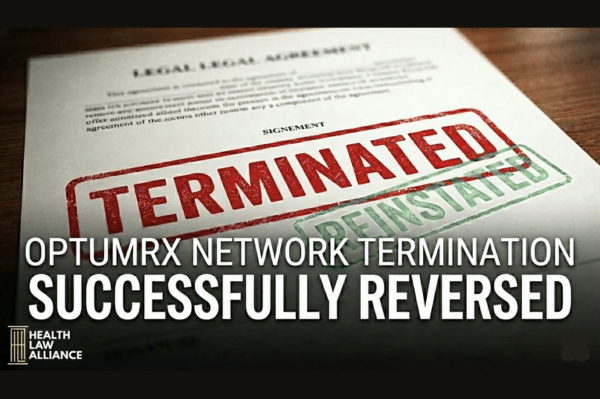
Health Law Alliance Successfully Reverses OptumRx’s Network Termination for a Michigan Pharmacy
We are proud to announce that the Health Law Alliance has successfully reversed a network termination from OptumRx for a Michigan-…

Collateral Consequences of PBM Audits: What Pharmacies Need to Know
PBM audits can quickly escalate from routine reviews into high-stakes enforcement actions with lasting financial, reputational, an…

Victory for an Independent Pharmacy: Health Law Alliance Successfully Reverses Over $30,000 in PBM Inventory Discrepancy Findings
Health Law Alliance successfully overturned more than $30,000 in alleged inventory discrepancy findings asserted by Express Script…

When Inventory Discrepancies Become Audit Nightmares: Understanding One of the Most Common and Costly Audit Findings
Inventory reconciliation is one of the most scrutinized areas in PBM and payer audits and even small discrepancies can trigger maj…
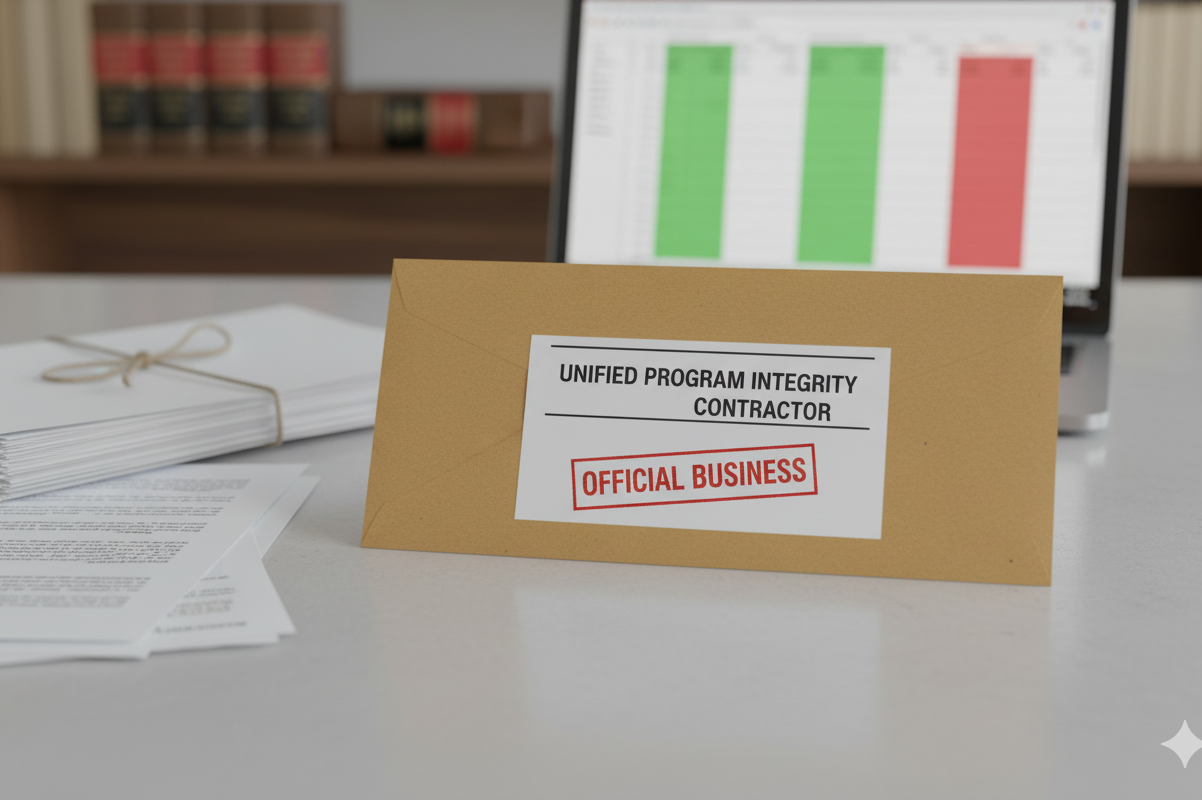
More Than a Records Request: The Threat of UPIC Audits for DME Suppliers
For DME suppliers, a letter from a Unified Program Integrity Contractor (UPIC) is not a routine records request; it's a high-stake…
Navigating PBM Audits: A Legal Guide for New Pharmacy Owners
New pharmacy owners face complex PBM audit requirements that demand strict documentation, accurate claims, and ongoing compliance.…
Top Red Flags That May Trigger a PBM Audit
PBM audits can be disruptive, costly, and often triggered by high prescription volumes, dispensing irregularities, or claim activi…
How Pharmacies Can Challenge Unfair PBM Audit Findings
PBM audits can leave pharmacies facing exaggerated findings, steep recoupments, and even network termination. With the right strat…

DME Supplier Defense Attorneys' Guide to the Different Types of Government Audits
For DME suppliers, a notice from CMS can be daunting, especially when you're trying to figure out the difference between a TPE, SM…

Building an Audit-Proof Documentation System for Your DME Supplier Business
In a CMS audit, your documentation is your only defense. A missing signature or an incomplete progress note can lead to a costly o…

By Appointment Only: How DME Suppliers Can Prevent Unexpected DME License Revocations
DME suppliers can prevent unexpected and costly license revocations by strategically applying with a "By Appointment Only" designa…

Resolving Prescription “Red Flags” Is No Longer Optional: Federal Scrutiny Tightens on Controlled-Substance Dispensing
Pharmacists must resolve “red flags” under the Controlled Substances Act’s corresponding-responsibility requirements before dispen…
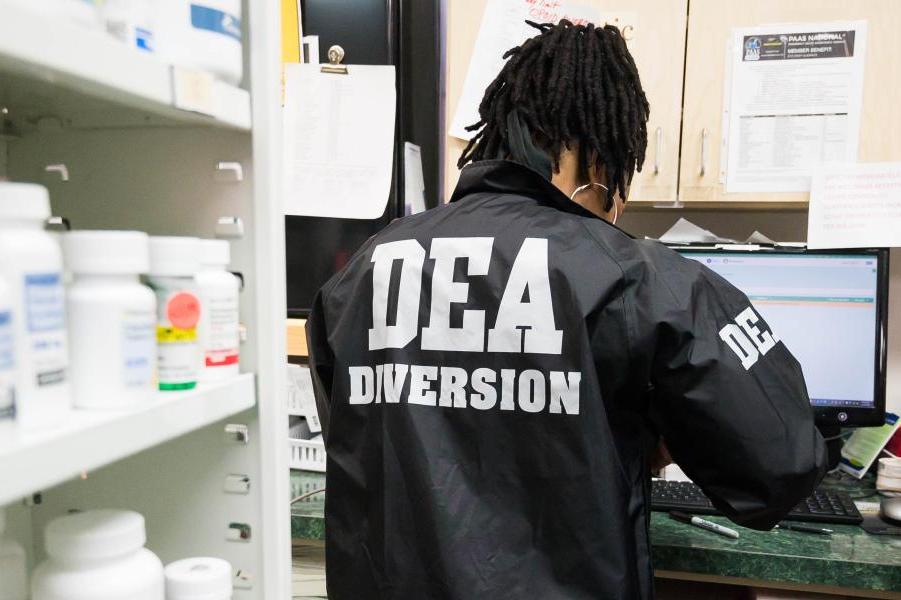
Collateral Consequences Mount Quickly After Adverse DEA Inspection
Adverse findings during a DEA inspection can trigger a chain reaction of serious consequences for pharmacies, including increasing…
Heath Law Alliance Secures Reversal of a Medicaid Payment Suspension
Health Law Alliance successfully secured a full reversal of a Medi-Cal payment suspension for a California pharmacy, overturning s…

How DME Suppliers Can Maintain Compliance with Medicare Enrollment Requirements
If you are a Durable Medical Equipment (DME) supplier and you are fearful of being scrutinized by CMS or the National Provider Enr…
HLA Attorney Anthony Mahajan Secures Major Victory Over Cardinal as Federal Court Dismisses Lawsuit Against Independent Pharmacies
Health Law Alliance secured a major win for independent pharmacies with the dismissal of Cardinal Health’s lawsuit, exposing it as…

Health Law Alliance Earns Reinstatement for DME Supplier Whose Medicare Billing Privileges Were Unjustly Revoked
Due to Health Law Alliance’s advocacy, a prominent DME vendor in Texas had their billing privileges reinstated this week, without…

DEA Registration Requirements for Healthcare Providers: How to Stay Compliant
Understanding DEA registration requirements is crucial for healthcare providers handling controlled substances. Compliance with st…
Should You Voluntarily Surrender Your DEA Registration? What Healthcare Professionals Need to Know
Considering voluntarily surrendering your DEA registration? Our experts can help you navigate the process and understand your opti…

PBM Audit Alert: Express Scripts Targeting Pharmacies for "Claim Phishing"
Express Scripts is using aggressive audits and investigations to recoup the dollar value of test claims that were never paid. Don'…

A Step-by-Step Guide to Securing (and Keeping) Your DEA Registration
Learn how to obtain and protect your DEA registration with our step-by-step guide, updated for 2025 telehealth rules and audit tre…

How PBMs Profited from the Opioid Crisis: The Hidden Deals Fueling Addiction
Pharmacy Benefit Managers prioritized profits over safety, accepting rebates from opioid manufacturers and enabling unrestricted a…

DEA Inspections Overview: What to Expect and How to Prepare for a DEA Inspection
Learn what to expect during DEA inspections and how to protect your practice with proactive preparation strategies.

U.S. Justice Department Investigates Alleged Medicare Fraud Involving COVID-19 Test Kits
The U.S. Justice Department is investigating allegations of Medicare fraud, where senior citizens' ID numbers were used to order u…

HLA Convinces Optum to Reverse PBM Audit Termination
Health Law Alliance is pleased to announce that Optum recently agreed to reverse its network termination of a Texas pharmacy clien…

Triumph Over Optum: HLA’s Tenacious Advocacy Reverses Optum’s Termination of a Texas Pharmacy
Health Law Alliance successfully reversed Optum’s termination of a Texas pharmacy from its network, protecting the pharmacy from s…

Victories Against Optum Rx: Protecting Pharmacy Clients Nationwide
Health Law Alliance has successfully challenged Optum Rx's termination decisions for numerous pharmacies, ensuring they can contin…

OTC Enforcement Update and PBM Audit Alert
On the heels of federal criminal investigations into OTC card usage, payors are now auditing OTC processes and imposing severe san…

Safeguarding Independents: HLA Reverses PBM Termination on Appeal
PBMs are huge companies that often use their market power in an abusive and predatory manner. This case study and successful netwo…

National Audit Services are No Replacement for Attorney Advice
National audit assistance services cannot provide the legal expertise, subject matter knowledge, or audit leverage that healthcare…

Pennsylvania Board Closes Investigation of HLA Client with No Action
Telemedicine business models may prompt regulatory scrutiny, including board investigations. In this case, HLA's experienced defen…
State Board Declines Case Against HLA Client
PBM audits may result in collateral consequences, including licensing and disciplinary proceedings. In this case, HLA's experience…

Introduction to Medicare Audits
The federal government (HHS-OIG) is prioritizing audits of pharmacy claims in 2024. This signals that increased enforcement action…

Federal Prosecutors Decline Criminal Prosecution of HLA Client
Following a PBM audit that uncovered a $6.5 million billing discrepancy, federal prosecutors opened an investigation. After HLA wa…

HLA Wins Network Reinstatement for Illinois Pharmacy
PBMs are increasingly terminating pharmacies for minor infractions of the provider manuals or network enrollment forms. These term…