Qui tam and FCA defense from the sealed-investigation stage forward.
A qui tam complaint filed by a relator sits under seal in federal district court while DOJ investigates and decides whether to intervene. The seal can run 60 days, 18 months, or longer. The defendant typically learns the case exists when DOJ serves a Civil Investigative Demand or when the complaint is unsealed.
By that point, the government has reviewed the relator's allegations, pulled claims data, interviewed witnesses, and chosen its posture. Treble damages plus per-claim penalties of up to $27,894 per false claim under the 2026-indexed schedule turn modest claim counts into eight-figure exposure.
Health Law Alliance defends FCA matters across pharmacies, providers, manufacturers, and corporate defendants - including a Rule 9(b) dismissal in an oncology dispensing matter and DOJ declinations after CID response.



.png)
Treble damages on the underlying claim amount. Per-claim civil penalties stacked on top. Permissive or mandatory exclusion from federal healthcare programs as a collateral consequence. The defense posture has to address all three from the first CID response forward.

31 USC § 3729(a) imposes treble damages plus a civil penalty of $13,946 to $27,894 per false claim under the 2026-indexed schedule. A claim count in the thousands produces a baseline penalty exposure in the tens of millions before damages are added. The math drives DOJ's posture in settlement discussions and shapes whether intervention or declination is the realistic outcome.
DOJ's intervention decision is binary on the docket but graded in practice. Full intervention puts DOJ at the table as a co-plaintiff with full discovery and trial resources. Declination leaves the relator and relator's counsel to litigate on their own, often on contingency. Either path produces an active matter with discovery, motion practice, and a realistic trial track. Declination is not dismissal; the case continues unless the relator dismisses voluntarily or the court grants a defense motion.
42 USC § 1320a-7 authorizes HHS-OIG to exclude individuals and entities from Medicare, Medicaid, TRICARE, and FEHB participation. Exclusion is mandatory for certain criminal convictions and permissive for FCA settlements involving false claims to federal healthcare programs. For most provider businesses, exclusion is industry exit. The exclusion track runs separately from the FCA track and has to be addressed in the FCA settlement framework, not after it.
The FCA combines a private relator's right to file under seal, government investigation behind that seal, and treble damages with per-claim penalties. The procedural posture, the discovery framework, and the leverage points are different from any other commercial dispute. Defense counsel that does not know the FCA process loses procedural ground before the complaint is even unsealed.
Our bench includes a former federal prosecutor and senior healthcare-company counsel. We have responded to Civil Investigative Demands, defended unsealed qui tam matters through Rule 9(b) motion practice, negotiated FCA settlements with HHS-OIG corporate integrity agreements, and coordinated FCA defense with parallel criminal matters. This is the protocol.
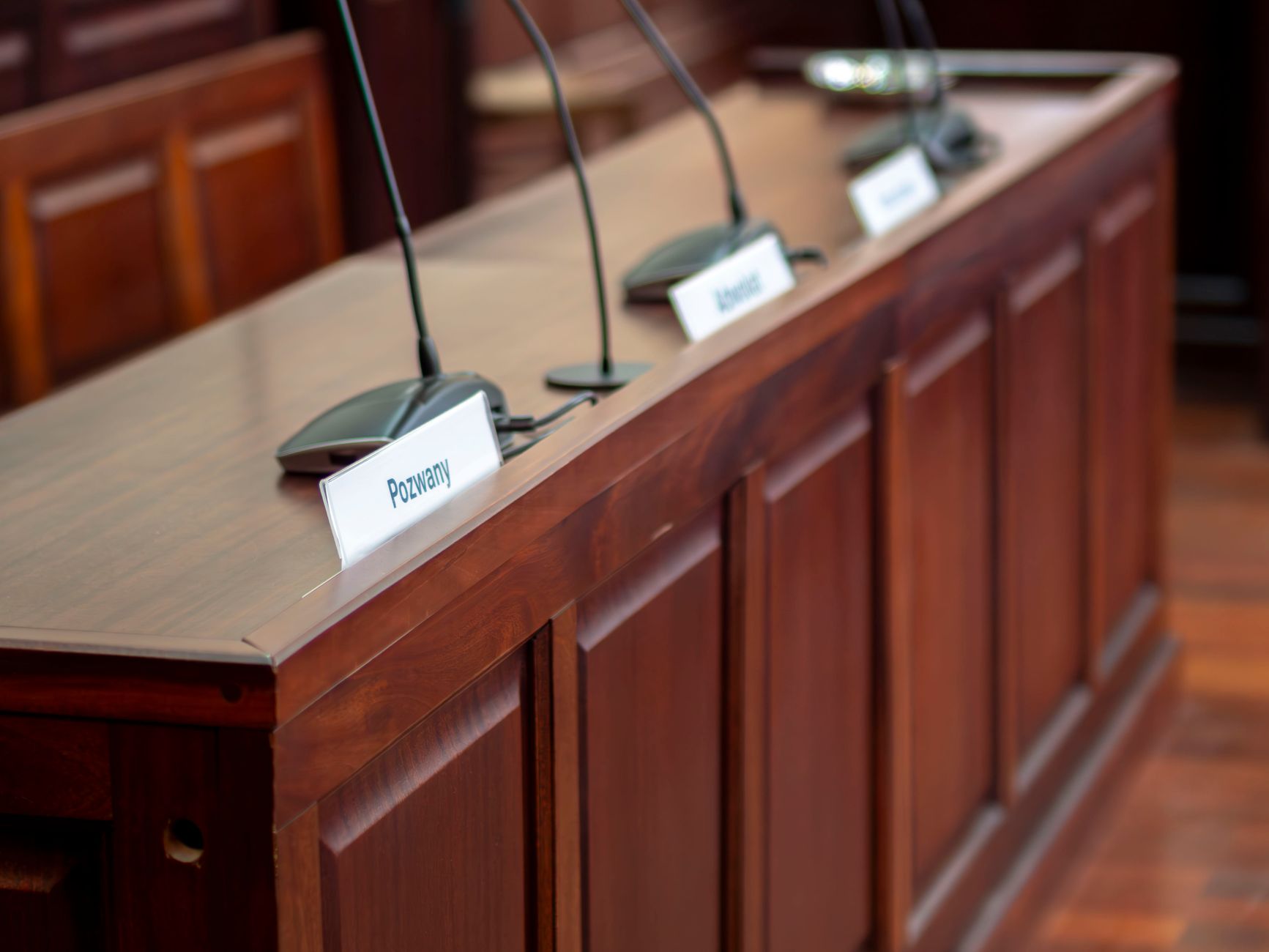
From the day a Civil Investigative Demand arrives: evaluate the scope of the demand (documents, interrogatories, oral testimony), negotiate the production framework with the DOJ Civil Division line attorney, and identify what the government already has versus what the defense can shape. The CID response is the first opportunity to reframe the matter on the record. When the seal is still in place, parallel intelligence about the relator's posture and the government's investigative path informs every subsequent decision.
Before the seal lifts: direct engagement with DOJ Civil Division on the intervention decision. We present the factual rebuttal of the government's theory, identify the materiality and falsity defects in the relator's claims, and make the case for declination. When intervention is the realistic outcome, we prepare for the post-unsealing posture and the immediate motion practice that follows.
After the complaint unseals: file the Rule 9(b) motion to dismiss within the responsive pleading window. We have obtained Rule 9(b) FCA dismissals in oncology dispensing matters by demonstrating that the relator failed to identify specific false claims. Subsequent motion practice covers materiality under Escobar, statute of limitations, public disclosure bar, and the original source defense. Each motion narrows the case and shifts settlement leverage.
Most FCA matters resolve through negotiated settlement before trial. The settlement framework includes the damages multiplier (1.5x to 3x depending on cooperation and self-disclosure), per-claim penalty calculation, HHS-OIG exclusion negotiations, and the Corporate Integrity Agreement (CIA) framework if applicable. When the procedural posture supports it, voluntary self-disclosure earlier in the process produces better arithmetic than waiting for the full intervention decision. Where the conduct also supports criminal exposure, parallel resolution may include a Deferred Prosecution Agreement. When the case has to be tried, our trial bench has the federal court experience to take it through verdict.
Most FCA matters surface through one of the following channels. The trigger shapes the procedural posture, the realistic timeline, and the settlement leverage from the very first day.
Outcomes are summarized for confidentiality. Client names, precise geography, and identifying facts are redacted.
Specialty pharmacy faced a federal qui tam action alleging false claims tied to oncology dispensing. Health Law Alliance moved to dismiss on Rule 9(b) particularity grounds, demonstrating that the relator failed to identify specific false claims by date, amount, and patient identifier. The court granted the motion and dismissed the matter. Rule 9(b) motion practice in the first months after unsealing remains the highest-leverage early move in FCA defense.
 DOJ Declination
Healthcare company received a Civil Investigative Demand from the DOJ Civil Division covering alleged $6M in false claims. Health Law Alliance produced documents under a negotiated rolling schedule, presented the factual rebuttal of the government's theory in a meeting with the line attorneys, and prepared a written submission addressing the materiality and falsity defects. DOJ declined both civil intervention and criminal referral. Pre-unsealing engagement, when the matter surfaces through other channels, is the highest-leverage window in any FCA defense.
Indictment Dismissed
Solo physician faced a multi-count federal indictment that included healthcare fraud counts. Health Law Alliance filed responsive motions, built the procedural record, and challenged the government's theory; the indictment collapsed before trial. Criminal healthcare fraud matters and parallel FCA matters share procedural posture, and a strong criminal defense often produces favorable settlement leverage on the parallel civil FCA track.
Attorney advertising. Prior results do not guarantee a similar outcome. Case summaries are generalized for confidentiality and are not a substitute for legal advice on your specific matter.
Anthony's background as a former federal prosecutor and executive for major healthcare companies provided a level of expertise and insight that made all the difference. His deep understanding of healthcare law, particularly in litigation and compliance matters, helped navigate complex legal issues with ease.
Seven questions that come up on almost every first call. The answers below are general; specific situations require privileged consultation.
Before the seal lifts and the relator's complaint hits the public docket, before the CID response locks in the procedural posture, before DOJ chooses intervention or declination, have a privileged conversation with attorneys who defend FCA matters across the qui tam timeline, the CID framework, and the post-unsealing motion practice. Free, confidential, no retainer.