51 JFK Parkway, Short Hills, NJ 07078
Subpoena & CID Defense · Grand Jury · HHS-OIG · DOJ Civil Division · Search Warrant

Federal Subpoena & CID Defense Attorneys

Subpoena and CID response counsel, from first notice through resolution.

Federal subpoenas, Civil Investigative Demands (CIDs), HHS-OIG subpoenas, and search warrants each compel documents or testimony under different statutory frameworks. A federal grand jury subpoena under Rule 17 routes the recipient into the criminal investigation pipeline.

A CID under 31 USC § 3733 routes the recipient into the DOJ Civil Division False Claims Act pipeline. An HHS-OIG subpoena under 5 USC § 6 can route to either pipeline. A search warrant under Rule 41 means the criminal investigation is already mature. The first 48 hours after receipt are the most consequential window: document preservation obligations attach immediately, every produced document can become evidence in subsequent civil and criminal proceedings, and the privilege analysis has to be made on a tight clock.

Health Law Alliance defends federal subpoena and CID matters across pharmacies, physicians, healthcare companies, and corporate defendants nationwide. Our former federal prosecutor bench knows what the issuing agency is looking for and what the procedural response should look like.
5,000+
Federal & State Healthcare Matters
100+
Combined Years at DOJ, HHS-OIG & CMS Co's
5
Levels of Medicare Appeal Through Federal Court
24/7
Response, From Document Request to ALJ
Subpoena & CID Defense Hotline · Direct Line
(800) 345 - 4125
Speak with counsel who has defended federal subpoenas, CIDs, HHS-OIG subpoenas, and search warrant matters across the country. Privileged. Available 24/7.
Former officials from the agencies investigating your matter
U.S. Department of Justice
DOJ
FBI
FBI
HHS OIG
HHS-OIG
DEA
DEA
OptumRx
OptumRx
McKesson
McKesson
NAMFCU
NAMFCU
U.S. Treasury
Treasury
The Stakes
A federal subpoena or CID compounds three exposures at once: documentary, testimonial, and parallel-proceeding

Document preservation obligations attach immediately, and any failure (routine destruction, document deletion, lost backups) can produce obstruction exposure on top of the underlying matter. Compelled testimony locks in the witness's account permanently and can become evidence in subsequent civil and criminal proceedings. Material produced in response to one subpoena can be shared across federal agencies and used in parallel investigations. The defense posture has to address all three from the day the subpoena arrives.

  • Documentary exposure: every produced document becomes evidence
  • Testimonial exposure: compelled testimony is permanent
  • Parallel-proceeding exposure: cross-track sharing is the rule
Federal subpoena response
Federal subpoena
01
Documentary exposure: every produced document becomes evidence

Documents produced in response to a federal subpoena, CID, or HHS-OIG subpoena are treated as authenticated business records and become available for use in subsequent civil and criminal proceedings. The materials can be shared between DOJ, HHS-OIG, FBI, DEA, IRS, and state authorities under interagency information-sharing agreements. What is produced cannot be unproduced. A document that supports the defense in one forum may incriminate in another. A privileged document inadvertently produced can produce a subject-matter privilege waiver across all related documents. The pre-production privilege review and the production scope negotiation are the single most consequential procedural decisions in any subpoena response.

Documentary Exposure
02
Testimonial exposure: compelled testimony is permanent

A federal grand jury subpoena for testimony, a CID for oral testimony, or an HHS-OIG subpoena for testimony places the witness under oath. The testimony becomes a transcript that follows the witness through every subsequent proceeding. Inconsistent testimony in a later matter can produce false statement (18 USC § 1001) or perjury (18 USC § 1623) exposure separate from the underlying matter. For individuals with potential exposure, the Fifth Amendment privilege against self-incrimination has to be evaluated before the witness appears. For corporate representatives, the corporation generally cannot assert the Fifth Amendment, which makes the witness selection and preparation framework critical.

Testimonial Exposure
03
Parallel-proceeding exposure: cross-track sharing is the rule

Material produced in a CID is regularly shared with criminal authorities. Material produced in a grand jury subpoena is regularly shared with the DOJ Civil Division and HHS-OIG. State Medicaid Fraud Control Units share material with federal authorities under interstate compacts. A subpoena response made for one matter often produces material used in a parallel matter the recipient did not know existed. The defense framework has to anticipate the worst-case forum, not just the immediate one. Counsel that handles only one subpoena at a time without the parallel-proceeding analysis regularly produces preventable exposure in matters that surface later.

Parallel-Proceeding Exposure
Why Subpoena and CID Defense Is Different
Four structural features make federal subpoena and CID matters fundamentally distinct from civil discovery or commercial document requests

Federal subpoenas and CIDs operate under specific statutory frameworks with their own privilege rules, their own response procedures, and their own consequences for non-compliance. Defense counsel that treats a federal subpoena like a civil discovery request misreads the procedural posture and the realistic exposure.

Factor 01
Different subpoena types route to different proceedings.
A federal grand jury subpoena under Rule 17 routes the recipient into the criminal investigation pipeline. A CID under 31 USC § 3733 routes the recipient into the DOJ Civil Division False Claims Act pipeline. An HHS-OIG subpoena under 5 USC § 6 can route to either pipeline depending on what the OIG investigation produces. A search warrant under Rule 41 means the criminal investigation is already mature. Each subpoena type has its own statutory framework, its own privilege analysis, its own timing, and its own consequences. The first procedural decision in any subpoena response is identifying what type of subpoena was served and what proceeding it routes to.
Factor 02
Document preservation obligations attach immediately.
From the moment of subpoena receipt, federal obstruction statutes (18 USC § 1519 for falsification, § 1503 for general obstruction, § 1512 for witness tampering and document destruction) attach to every responsive document and every potentially responsive document. Routine document destruction policies have to stop immediately for any document that could be responsive; any continued destruction can produce an obstruction count separate from the underlying matter. The legal hold notice has to issue within hours of receipt, has to cover the right document custodians, and has to be documented for any later defense of the preservation effort. Litigation hold deficiencies are one of the most preventable causes of additional criminal exposure.
Factor 03
Privilege analysis has to be made on a tight clock.
The pre-production privilege review is where attorney-client communications, work product, Fifth Amendment material, and joint defense agreement protections are identified and asserted. An inadvertent privileged production can produce a subject-matter waiver across all related documents and undermine the defense in subsequent litigation. Federal Rule of Evidence 502(d) clawback orders are the standard tool for managing inadvertent production in large document responses, but they have to be requested and entered before production starts. Counsel familiar with the privilege framework, the document review software, and the production protocol can preserve privilege at scale; counsel that handles privilege ad hoc loses material.
Factor 04
Cross-agency sharing is the rule.
Material produced in response to one federal subpoena is routinely shared with other federal agencies under interagency information-sharing agreements (DOJ and HHS-OIG share routinely; FBI and DEA share routinely; state Medicaid Fraud Control Units share with federal authorities). A document produced for a CID matter can become evidence in a parallel criminal investigation the recipient did not know existed. A document produced for a grand jury matter can be shared with the DOJ Civil Division for FCA evaluation. The defense framework has to produce documents that defend against the worst-case forum, anticipate the cross-track use, and preserve every available privilege protection.
"A federal subpoena puts the next 48 hours on the critical path. What you produce shapes every subsequent proceeding."
Speak With Counsel Today →
The HLA Subpoena and CID Defense Process
A four-stage protocol built for the document preservation deadline, the privilege review, and the production negotiation

Our bench includes a former Assistant U.S. Attorney with DOJ Director's Award recognition and senior healthcare-company counsel. We have defended federal grand jury subpoenas, CIDs from the DOJ Civil Division, HHS-OIG subpoenas, and search warrant matters across pharmacies, physicians, and corporate defendants. This is the protocol.

  • Day 1 to 3: document preservation, scope evaluation, and counsel engagement with the issuing agency
  • Scope negotiation and motion practice
  • Privileged document review and production
  • Witness preparation and testimony management
Signing settlement document
Resolution
01
Day 1 to 3: document preservation, scope evaluation, and counsel engagement with the issuing agency

From the moment of subpoena receipt: issue the litigation hold notice to all custodians who may have responsive material, stop all routine document destruction policies for any potentially responsive document, identify the issuing agency and the line attorney, and contact counsel at the agency to acknowledge receipt and open the dialogue on scope and timing. We evaluate whether the subpoena is a Rule 17 grand jury subpoena, a § 3733 CID, a § 6 HHS-OIG subpoena, or another instrument; whether the recipient is a target (often signaled by a target letter), subject, or witness; and what parallel matters may relate. The first 48 hours produce more leverage on scope than any subsequent procedural step.

02
Scope negotiation and motion practice

Most subpoenas are overbroad as written and can be narrowed through scope negotiation with the issuing attorney. Where negotiation does not produce reasonable scope, motion practice is the alternative: motions to quash or modify under Rule 17(c)(2) (criminal), motions to limit a CID under § 3733(j), and protective orders under Rule 26(c) (civil) preserve the issue for appeal even if denied. The motion forces the issuing attorney to articulate the basis for the demand on the record, which often produces voluntary scope reductions before the court rules. Categorical refusal without a motion is almost never the right move.

03
Privileged document review and production

The pre-production privilege review is where attorney-client communications, work product, Fifth Amendment material, and joint defense agreement protections are identified and asserted. We negotiate a Federal Rule of Evidence 502(d) clawback order with the issuing attorney before production starts to manage inadvertent production. We document privileged material on a privilege log that supports any subsequent challenge. The production proceeds on a rolling schedule that protects the defense's flexibility on subsequent matters and preserves every available privilege protection.

04
Witness preparation and testimony management

When the subpoena calls for testimony (grand jury appearance, CID oral testimony, HHS-OIG sworn statement): the witness preparation framework starts weeks before the appearance and runs through the actual testimony. For target witnesses, the Fifth Amendment posture has to be set before the appearance. For subject and corporate-representative witnesses, preparation focuses on the factual record, the privilege limits, and the line of questioning the prosecutor is most likely to pursue. Compelled testimony is permanent; the preparation that goes into it shapes every subsequent civil and criminal proceeding involving the same facts.

Common Subpoena and CID Triggers
The six patterns that produce a federal subpoena, CID, or HHS-OIG subpoena to a healthcare provider

Federal subpoenas and CIDs do not arrive at random. The trigger shapes the procedural posture, the realistic exposure, and the parallel-proceeding analysis that should drive the response framework.

01
Qui tam relator complaint under seal.
A qui tam complaint filed with DOJ under 31 USC § 3730(b)(2) sits under seal while the government investigates. The defendant typically learns of the matter when DOJ serves a CID on the company or on a related entity. The CID document scope often tracks the relator's allegations closely enough that experienced defense counsel can infer the underlying matter. Pre-unsealing CID response is one of the most leverage-rich windows in any FCA defense.
02
CMS contractor referral to DOJ or HHS-OIG.
A UPIC, RAC, MAC, SMRC, or other CMS contractor that develops findings supporting a False Claims Act theory will refer the matter to the DOJ Civil Division (which produces a CID) or to HHS-OIG (which produces an OIG subpoena). The audit defense and the subpoena response are then on parallel tracks that have to be coordinated. Counsel that handles the audit without a parallel-proceeding analysis regularly misses the subpoena exposure.
03
Whistleblower or insider complaint outside the company.
Former employees, contractors, prescribers, or vendors who report alleged misconduct to federal authorities (HHS-OIG hotline, DOJ Civil Division, FBI tip line, state Attorney General) can produce a federal subpoena or CID. Internal hotline reports that the company does not investigate adequately can produce an external complaint as the next step. The subpoena scope often tracks the complainant's allegations.
04
Industry-wide DOJ enforcement initiatives.
DOJ regularly announces enforcement initiatives focused on a specific industry, service line, or coding pattern. Recent examples include skin substitute FCA matters following the Apex Medical settlement, telehealth FCA matters, opioid prescribing prosecutions, GLP-1 dispensing review, hospice eligibility, and home health face-to-face documentation. Companies operating in an initiative-targeted area face elevated subpoena exposure regardless of any individual complaint.
05
Acquisition due diligence surfacing exposure.
Acquisition due diligence regularly surfaces billing patterns, kickback arrangements, or coding practices that present federal exposure. The acquirer or the target may report the exposure to authorities through voluntary self-disclosure or through other channels, which can produce a CID or subpoena to the target. The disclosure timing and scope have their own consequences that should be evaluated with privileged counsel before any disclosure is made.
06
Subpoena to a third party (employee, vendor, prescriber).
A federal subpoena to a third party (a former employee, a vendor, a prescriber, a clearing house) often signals that the company is the actual investigation target. Third-party subpoenas can be revealed by recipients to the company; once revealed, the company has its own document preservation obligation and a defense planning window even though no subpoena has been served on the company directly. Detecting the third-party subpoena early is one of the most valuable pre-subpoena defense moves.
Recent Subpoena and CID Defense Outcomes
Representative Case Results

Outcomes are summarized for confidentiality. Client names, precise geography, and identifying facts are redacted.
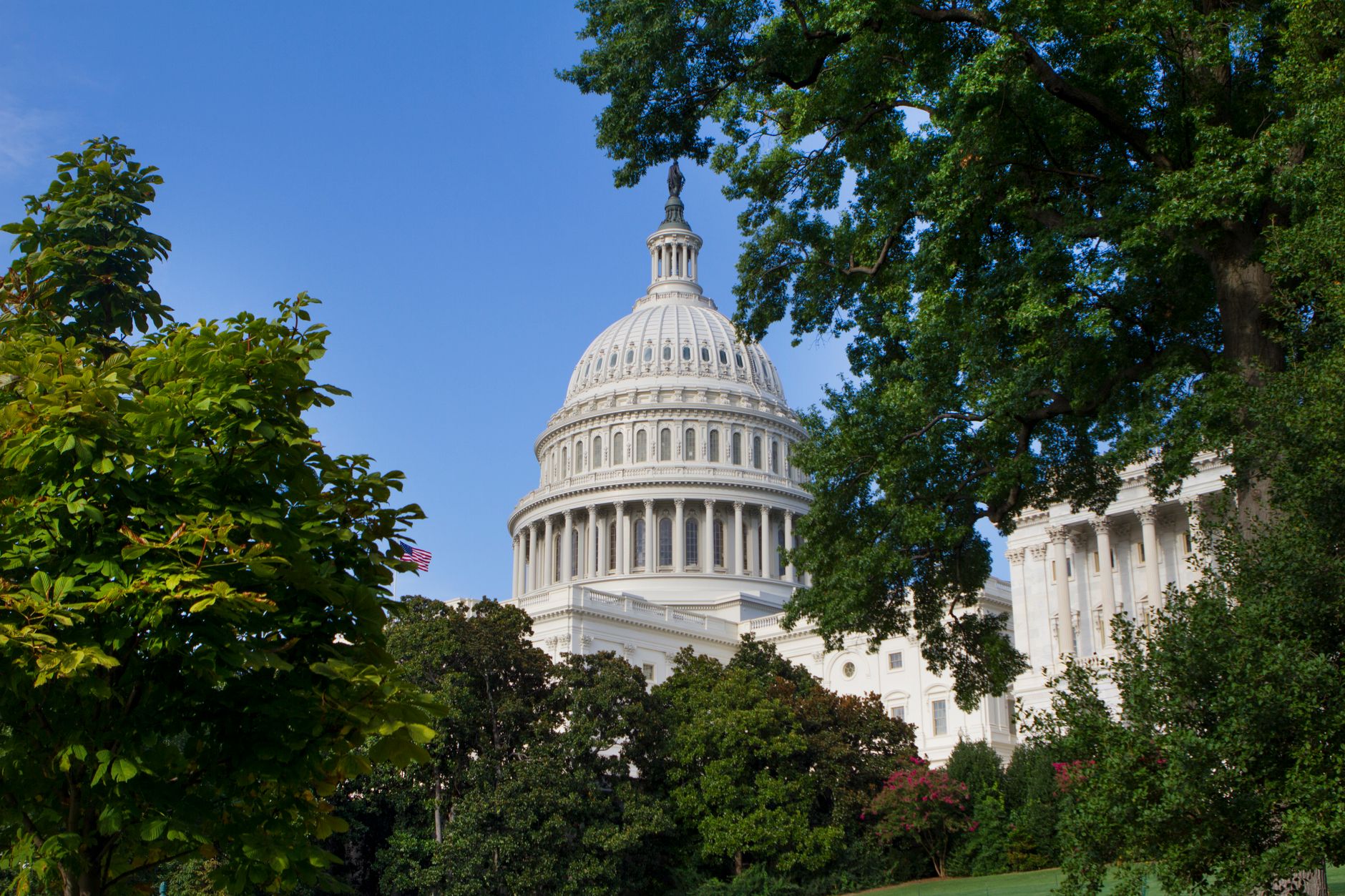
Washington DC DOJ Declination
DOJ Declines Civil and Criminal Action After CID Response.

Healthcare company received a Civil Investigative Demand from the DOJ Civil Division covering alleged $6M in false claims. Health Law Alliance produced documents under a negotiated rolling schedule, ran a privileged pre-production review of every document before it left the company, presented the factual rebuttal of the government's theory in a meeting with the line attorneys, and prepared a written submission addressing the materiality and falsity defects. DOJ declined both civil intervention and criminal referral. The CID response framework is the most leverage-rich window in any FCA matter.

National scope · Healthcare company · 2024
Indictment Avoided
Pre-Indictment Engagement Closes Federal Investigation Without Charges.

Physician executive received a federal target letter following a grand jury subpoena to a related entity. Within forty-eight hours of receipt, Health Law Alliance had a privileged read on the exposure, a clear plan for the attorney proffer, and an open dialogue with the line AUSA. The proffer happened three weeks later. Six weeks after that, the AUSA closed the matter without indictment. The defense started before the grand jury voted; the public record of indictment never attached.
Federal court · Physician executive · 2024
Federal courtroom Indictment Dismissed
Federal Healthcare Fraud Indictment Collapses Through Pre-Trial Motion Practice.

Solo physician faced a multi-count federal indictment under 18 USC § 1347 and § 1349 following an upstream HHS-OIG subpoena and a series of grand jury subpoenas to the practice. Health Law Alliance filed responsive motions, built the procedural record on the materiality and intent issues, and challenged the government's theory through pre-trial motion practice; the indictment collapsed before trial. Federal indictments do not collapse on their own; the procedural record built before trial is what produces dismissal.

Northeast · Solo physician · 2025

Attorney advertising. Prior results do not guarantee a similar outcome. Case summaries are generalized for confidentiality and are not a substitute for legal advice on your specific matter.

The Firm
We Used to Work for Them.
Now We Fight for You.
Client Reviews
What Clients Say
  1. Anthony's background as a former federal prosecutor and executive for major healthcare companies provided a level of expertise and insight that made all the difference. His deep understanding of healthcare law, particularly in litigation and compliance matters, helped navigate complex legal issues with ease.
Subpoena and CID Defense FAQ
Frequently Asked Questions

Seven questions that come up on almost every first call. The answers below are general; specific situations require privileged consultation.

What is the difference between a federal subpoena, a CID, and an HHS-OIG subpoena? +
Three different procedural tools, three different statutory frameworks. A federal grand jury subpoena issued under Federal Rule of Criminal Procedure 17 compels documents or testimony for a federal grand jury investigation; the recipient is in the criminal investigation pipeline. A Civil Investigative Demand (CID) issued under 31 USC § 3733 compels documents, written interrogatories, or oral testimony in a DOJ Civil Division False Claims Act investigation; the recipient is in the civil FCA pipeline. An HHS-OIG subpoena issued under 5 USC § 6 (and as authorized by Section 1128A of the Social Security Act) compels documents and testimony in an OIG investigation; the recipient may be in either the civil or criminal pipeline depending on what the OIG investigation produces. The procedural framework, the privilege analysis, the response strategy, and the realistic exposure differ across all three.
What should I do the day a federal subpoena or CID arrives? +
Before anything else: preserve all responsive documents (federal obstruction statutes apply from the moment of awareness; routine document destruction has to stop immediately for any document that could be responsive), do not contact the issuing agency directly, do not discuss the matter internally beyond what is essential to preserve documents, and engage privileged counsel the same day. The subpoena or CID has a specific return date (often 30 to 60 days for documents, less for testimony). Counsel will negotiate scope, timing, and any objections with the line attorney, evaluate whether the scope is overbroad or unduly burdensome, identify privilege issues, and prepare any necessary motion practice. The first 48 hours after receipt are the most consequential window; missing them by trying to handle the matter internally regularly produces preventable exposure.
Can I refuse to comply with a federal subpoena? +
In narrow circumstances, yes; in most circumstances, no. Outright refusal to comply with a properly issued federal subpoena risks a contempt finding, document preservation sanctions, and adverse inferences in any subsequent proceeding. The right framework is engagement: counsel files a motion to quash or modify the subpoena under Rule 17(c)(2) (criminal) or the analogous civil rules, raising specific objections (overbreadth, undue burden, privilege, relevance, lack of jurisdiction). The motion preserves the issue for appeal even if it is denied. Categorical refusal without a motion is almost never the right move. Privilege assertions (attorney-client, work product, Fifth Amendment for individuals, joint defense agreement protections) require careful documentation in a privilege log and, in some matters, in camera judicial review.
What privileges apply to subpoena and CID responses? +
Several privileges can protect specific documents or testimony. Attorney-client privilege protects communications between the client and counsel made for the purpose of legal advice. Work product doctrine (Federal Rule 26(b)(3)) protects materials prepared in anticipation of litigation. The Fifth Amendment privilege against self-incrimination protects individual recipients (but generally not corporate recipients) from compelled testimony that could incriminate them. The marital privilege, the clergy-penitent privilege, and certain medical privileges apply in narrower contexts. Joint defense agreement (JDA) protections can extend privilege across multi-party matters. Privilege has to be asserted carefully and documented in a privilege log; an inadvertent waiver in one document can produce a subject-matter waiver across all related documents. The 502(d) order is the standard tool to manage inadvertent privilege production in large document responses.
What is the difference between a target, a subject, and a witness in a federal investigation? +
The Justice Manual defines three categories. A "target" is a person as to whom the prosecutor or grand jury has substantial evidence linking them to the commission of a crime and who, in the prosecutor's judgment, is a putative defendant. A "subject" is a person whose conduct is within the scope of the investigation but who is not a target. A "witness" is a person who has information relevant to the investigation but is not a target or subject. The category matters because the procedural posture, the privilege analysis, and the realistic exposure differ. Targets receive target letters and almost never appear before the grand jury voluntarily. Subjects can become targets if the investigation develops, and the conversion is rarely communicated in writing. Witnesses are often invited to give testimony or proffer information, but the witness designation can shift to subject or target as the investigation proceeds.
What happens if federal agents show up at my office or home with a search warrant? +
Several immediate steps. Ask to see the warrant and read it (you have the right to see and read the warrant; you do not have to consent to its execution but cannot physically obstruct). Note the agency, the issuing magistrate, the scope of the search, and the items to be seized. Do not consent to a search broader than the warrant authorizes; consent waives Fourth Amendment objections later. Do not discuss the matter with the agents beyond identifying yourself; you have the right to remain silent and the right to counsel. Call counsel immediately. Document everything: agent names, badge numbers, items seized, areas searched, statements made by anyone in the office. The execution of a federal search warrant means the criminal investigation is already mature; pre-indictment defense engagement should begin within hours of the search.
Can subpoena material be used against me in other proceedings? +
Yes, in most circumstances. Documents produced in response to one federal subpoena can be shared with other federal agencies under the relevant interagency information-sharing agreements (e.g., DOJ and HHS-OIG share information routinely). Documents produced under a CID can be used in subsequent FCA litigation and can be shared with criminal authorities if the CID matter develops criminal exposure. State and federal authorities share information under various interstate compacts. The defense framework has to anticipate the cross-track use of any document produced and produce documents that defend against the worst-case forum, not just the immediate one. Privileged counsel can negotiate confidentiality protections in some matters but cannot eliminate the cross-track sharing risk in most matters.
Speak with Subpoena and CID Defense Counsel Today

A federal subpoena puts the next 48 hours on the critical path — What you produce shapes every subsequent proceeding

Before you produce documents, before any compelled testimony, before the issuing agency shares material with parallel investigators, have a privileged conversation with attorneys who defend federal subpoenas, CIDs, HHS-OIG subpoenas, and search warrant matters nationwide. Free, confidential, no retainer.


"We received the federal subpoena on a Friday afternoon. Health Law Alliance was on the line within two hours, issued the litigation hold notice that night, and had a privileged read on the exposure by Monday morning. They negotiated the scope down materially with the line attorney, ran a privileged pre-production review of every document, and managed the production on a rolling schedule that gave us months instead of weeks. When the matter closed, no parallel proceeding had surfaced from the production. The defense started before the case did." - General counsel, healthcare services company (anonymized client, 2024)
Federal subpoena or CID? The first 48 hours shape everything.