

Compounding pathways, platform structures, and FDA strategy for the peptide market.
Request a Free Case ReviewThe peptide market is growing faster than the rules that govern it. FDA's Pharmacy Compounding Advisory Committee has been evaluating which peptides belong in the 503A compounding pathway, a docket that drew close to 2,000 public comments, and the rulemaking that follows could take one to two years. A federal-state Memorandum of Understanding on interstate distribution is on the horizon, and state boards are pushing for tighter guardrails. What is lawful today is substance-specific and date-specific.
Health Law Alliance advises the people building this market: 503A pharmacies, 503B outsourcing facilities, and the telehealth and wellness platforms that dispense through them. And when FDA or a state board starts asking questions, we defend the same programs we help design. The bench includes attorney and pharmacist Dr. Martha Rumore, a registered patent attorney with 200+ publications in FDA, DEA, and pharmacy law.

Anthony's background as a former federal prosecutor and executive for major healthcare companies provided a level of expertise and insight that made all the difference. His deep understanding of healthcare law, particularly in litigation and compliance matters, helped navigate complex legal issues with ease.
With upmost professional respect, I will be forever grateful to have such caring individuals as Attorney Anthony Mahajan and Attorney Diana Yastrovskaya who come into my life, even though I am a business owner but I always felt I was treated as a friend and was made reaching out to them with ease.
I had a great experience working with Health Law Alliance. From the very beginning, their team was incredibly helpful, responsive, and professional. They answered all of my questions quickly and kept me informed throughout the entire process.

Anthony and his staff have gone above and beyond. His proactive communication and ability to handle complex legal scenarios effectively have been a significant asset. Highly recommended attorney.

Top-notch attorneys with an unparalleled scope of experience and breadth of knowledge. You will want them in your corner.

Had nothing but great experience from them. Knowledgeable and professional in all aspects. They have a vast knowledge in health care cases, great to be on your side against insurances.

Trustworthy and experienced.
The commercial opportunity is real and so is the enforcement attention. Three exposures define the peptide market right now.
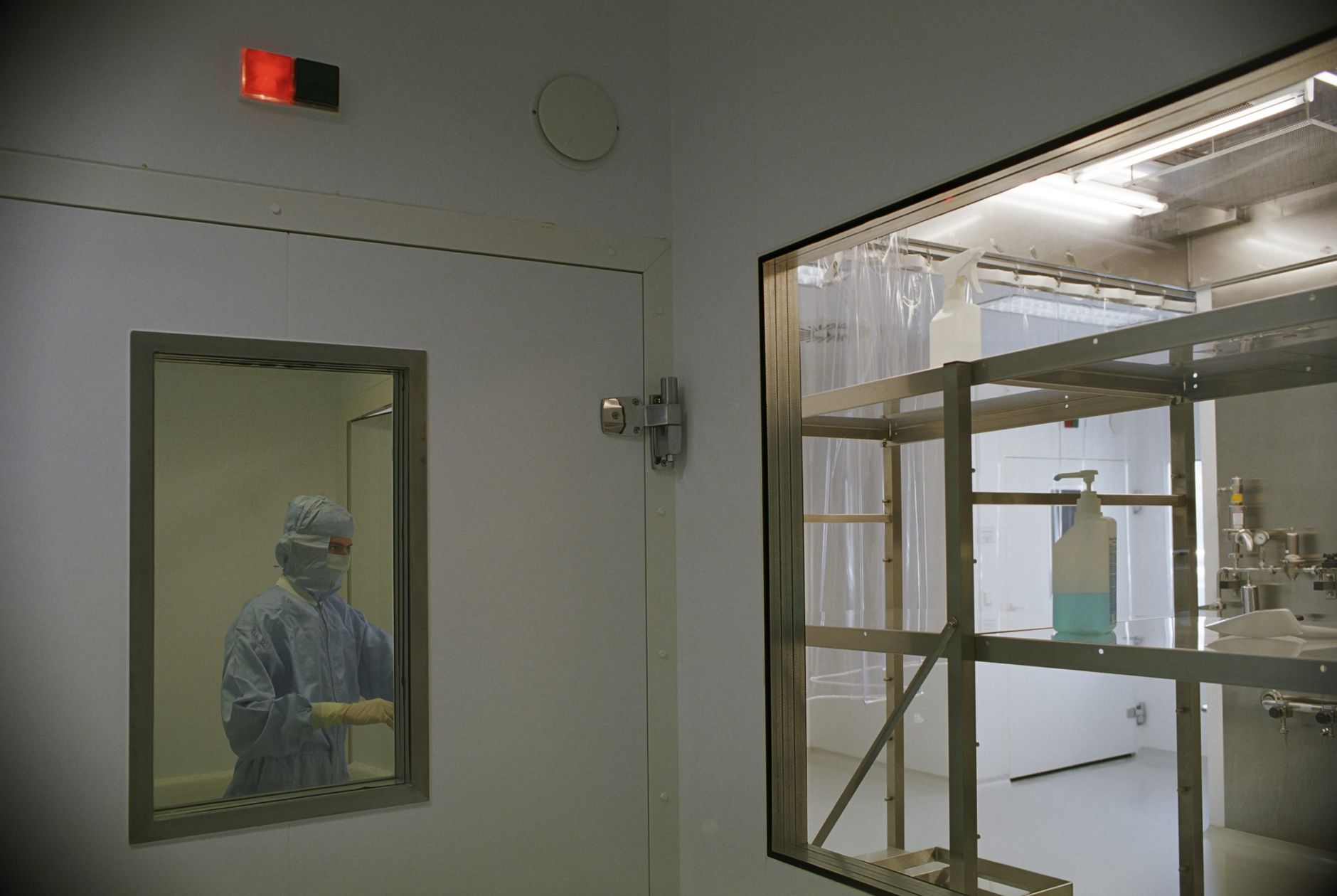
FDA polices adulteration, misbranding, and unapproved drug claims, and its inspection findings escalate from a Form 483 to a Warning Letter. State boards of pharmacy control the licenses. Marketing claims draw FTC and state attorney general attention, with product liability plaintiffs close behind. A peptide matter is rarely a one-regulator matter.
PCAC recommendations, Bulks List rulemaking, enforcement discretion categories, and a proposed interstate MOU are all in motion at once. A program that is compliant at launch can be offside within a quarter, and enforcement looks at the rule in effect on each dispense date. Programs need to be built for the rule that is coming, not just the one on the books today.
Prescriber independence, corporate practice of medicine, MSO fee design, anti-kickback exposure, and the compliance posture of the partner pharmacy. Enforcement and private litigation unwind sloppy structures long after launch, and restructuring under investigation costs multiples of structuring correctly.
Four structural features make peptide matters uniquely complex, and uniquely manageable if the program is designed around them.

An inspection closes with observations, and the response to them is the record the agency weighs before escalating. What is corrected, what is committed to in writing, and when, shapes whether a matter ends at the observation stage.
Our bench includes Dr. Martha Rumore (pharmacist-attorney + registered patent attorney + 200+ publications in FDA, DEA, and pharmacy law) and a former Assistant U.S. Attorney nominated for the DOJ Director's Award. This is the protocol.

What you offer or plan to offer, the substances involved and their current federal status, the states in play, and the structure you operate through. The output is a concrete read on what is defensible today and what depends on pending rulemaking.
503A, 503B, or a vetted partner pharmacy. Prescriber and MSO structure for platform models. Sourcing standards and state licensure sequencing. Designed against cGMP, USP 797, and board expectations rather than around them.
Supplier qualification files and certificates of analysis, prescription-integrity documentation, marketing and claims sign-off, and the records a board or FDA will ask for first. If the program is ever inspected, the file answers before you do.
Form 483 responses, Warning Letter strategy, state board proceedings, and DEA coordination where controlled substances are involved, handled as one matter across every forum by the pharmacist-attorney and former-prosecutor bench.
Health Law Alliance handles the response and any parallel appeal, licensing matter or referral as one coordinated matter, so the strategy does not change hands as the matter moves between forums.
The bench includes a former Assistant U.S. Attorney nominated for the DOJ Director's Award, senior healthcare-company counsel, and attorney-providers with experience across healthcare audits and investigations.


Agency and company marks identify former professional experience of individual HLA team members. They do not imply affiliation, endorsement, or a client relationship.
If any of these describe your operation, assume you are visible to FDA and the state board whether or not anyone has contacted you yet.
Seven questions that come up on almost every first call.
Whether you are designing a peptide offering or answering a letter about one, have the privileged conversation first. We will tell you what is defensible, what is not, and what to fix before FDA or the board finds it. Free, confidential, no retainer.