

SNF audits turn on the assessment, not the bill. The MDS drives the payment, so that is where the reviewer starts.
Request a Free Case ReviewSkilled nursing payment runs through the Patient Driven Payment Model, and PDPM is driven by the MDS assessment rather than by therapy minutes. That changed what auditors look at: the primary diagnosis mapping, the clinical categories, the non-therapy ancillary comorbidities and the assessment’s support in the clinical record.
A facility also lives with a second track. Survey and certification, deficiency citations and civil money penalties run alongside payment review and draw on the same records. A defense that resolves a payment dispute while creating a survey problem has not resolved anything.

Anthony's background as a former federal prosecutor and executive for major healthcare companies provided a level of expertise and insight that made all the difference. His deep understanding of healthcare law, particularly in litigation and compliance matters, helped navigate complex legal issues with ease.
With upmost professional respect, I will be forever grateful to have such caring individuals as Attorney Anthony Mahajan and Attorney Diana Yastrovskaya who come into my life, even though I am a business owner but I always felt I was treated as a friend and was made reaching out to them with ease.
I had a great experience working with Health Law Alliance. From the very beginning, their team was incredibly helpful, responsive, and professional. They answered all of my questions quickly and kept me informed throughout the entire process.

Anthony and his staff have gone above and beyond. His proactive communication and ability to handle complex legal scenarios effectively have been a significant asset. Highly recommended attorney.

Top-notch attorneys with an unparalleled scope of experience and breadth of knowledge. You will want them in your corner.

Had nothing but great experience from them. Knowledgeable and professional in all aspects. They have a vast knowledge in health care cases, great to be on your side against insurances.

Trustworthy and experienced.
A postpayment review of PDPM coding can produce an extrapolated demand across the full claim population. The same clinical records, and the same conclusions about whether care matched the assessment, can support deficiency citations, civil money penalties and in serious cases a referral. Facilities that treat the audit as a billing matter and the survey as a clinical one repeatedly find that positions taken in the first are used in the second.

Under PDPM the primary diagnosis mapping, clinical category, functional scoring and comorbidity capture determine the rate. A reviewer who disagrees with the assessment disagrees with every claim built on it, which is what turns individual findings into population-level exposure.
A postpayment review typically examines a sample and projects the error rate across the audited period. A modest number of contested assessments can produce a demand far beyond the value of the claims actually reviewed, and the statistical methodology is often the largest single defense.
Documentation that a payment reviewer reads as unsupported coding, a surveyor may read as care not delivered as planned. Deficiencies, civil money penalties and payment denial for new admissions follow a different process but the same records, so both have to be defended together.
Four features distinguish a skilled nursing review from most other Medicare audits.
The first response is not a routine administrative task. It establishes the documents, timing, and record the contractor can later use in its findings and on appeal.
Four stages, from records request to appeal or survey response.

MAC probe, RAC review, UPIC program integrity work and SMRC review have different purposes and consequences. We identify the contractor, the period, the claim universe and whether extrapolation is in prospect before anything is produced.
We test the sampled assessments the way a reviewer will: diagnosis mapping, clinical category, functional scoring, NTA capture, assessment timing, and whether each element is traceable to contemporaneous clinical documentation.
Records are produced organised to the request and to the coverage criteria, and the accompanying submission is written so that nothing said to defend the coding creates an admission about care delivery.
Where findings are adverse we take them through redetermination, reconsideration and ALJ hearing. Where extrapolation is used, the sampling frame, sample size and statistical application are examined directly, because that is frequently where the largest recovery sits.
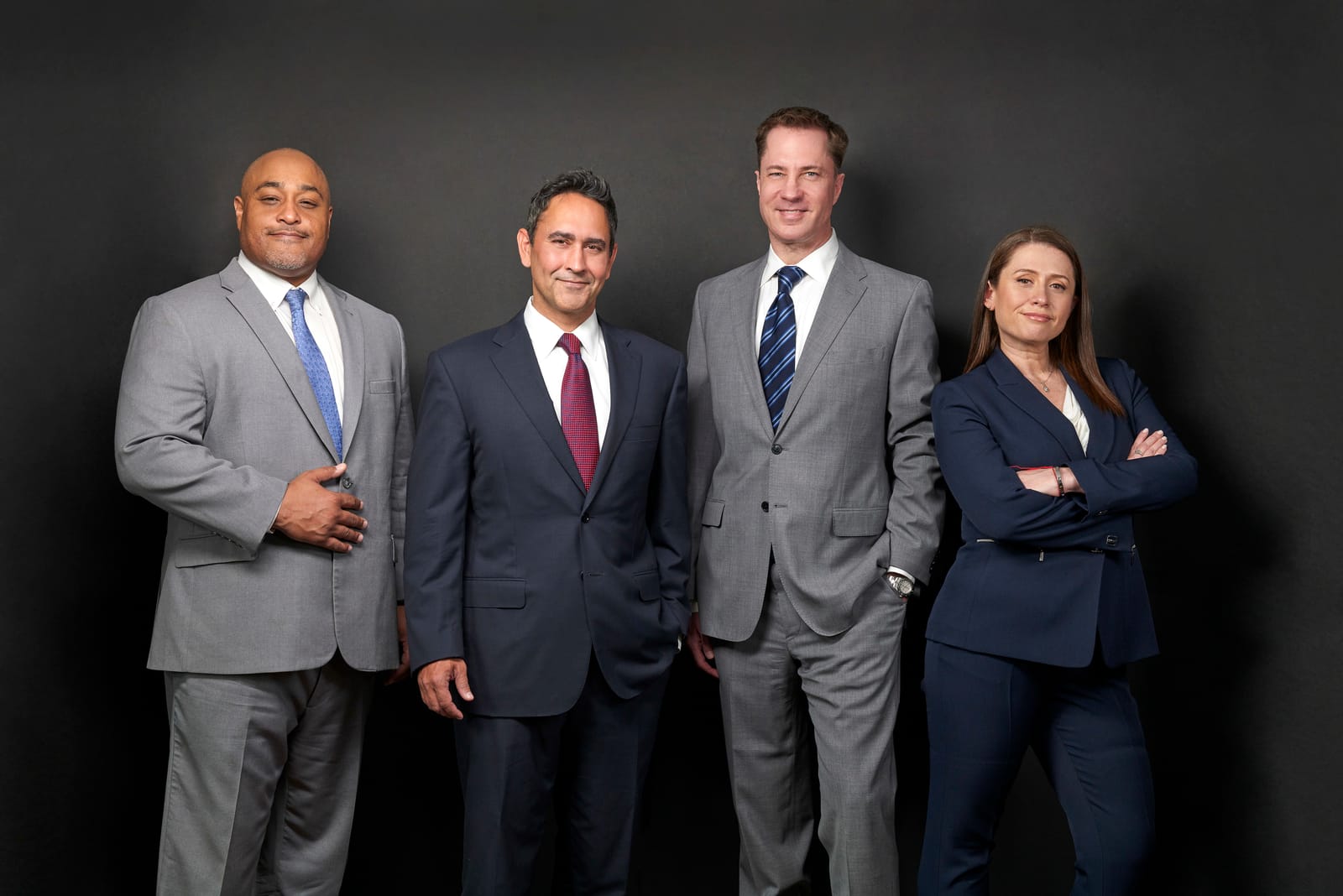
Health Law Alliance handles the response and any parallel appeal, licensing matter or referral as one coordinated matter, so the strategy does not change hands as the matter moves between forums.
The bench includes a former Assistant U.S. Attorney nominated for the DOJ Director's Award, senior healthcare-company counsel, and attorney-providers with experience across healthcare audits and investigations.



Agency and company marks identify former professional experience of individual HLA team members. They do not imply affiliation, endorsement, or a client relationship.
Seven questions that come up on almost every first call. The answers below are general; specific situations require privileged consultation.
Send us the records request and a sample of the assessments at issue. We will tell you how a reviewer will read them, whether extrapolation is likely, and what the survey exposure looks like on the same facts. Free, confidential, no retainer.