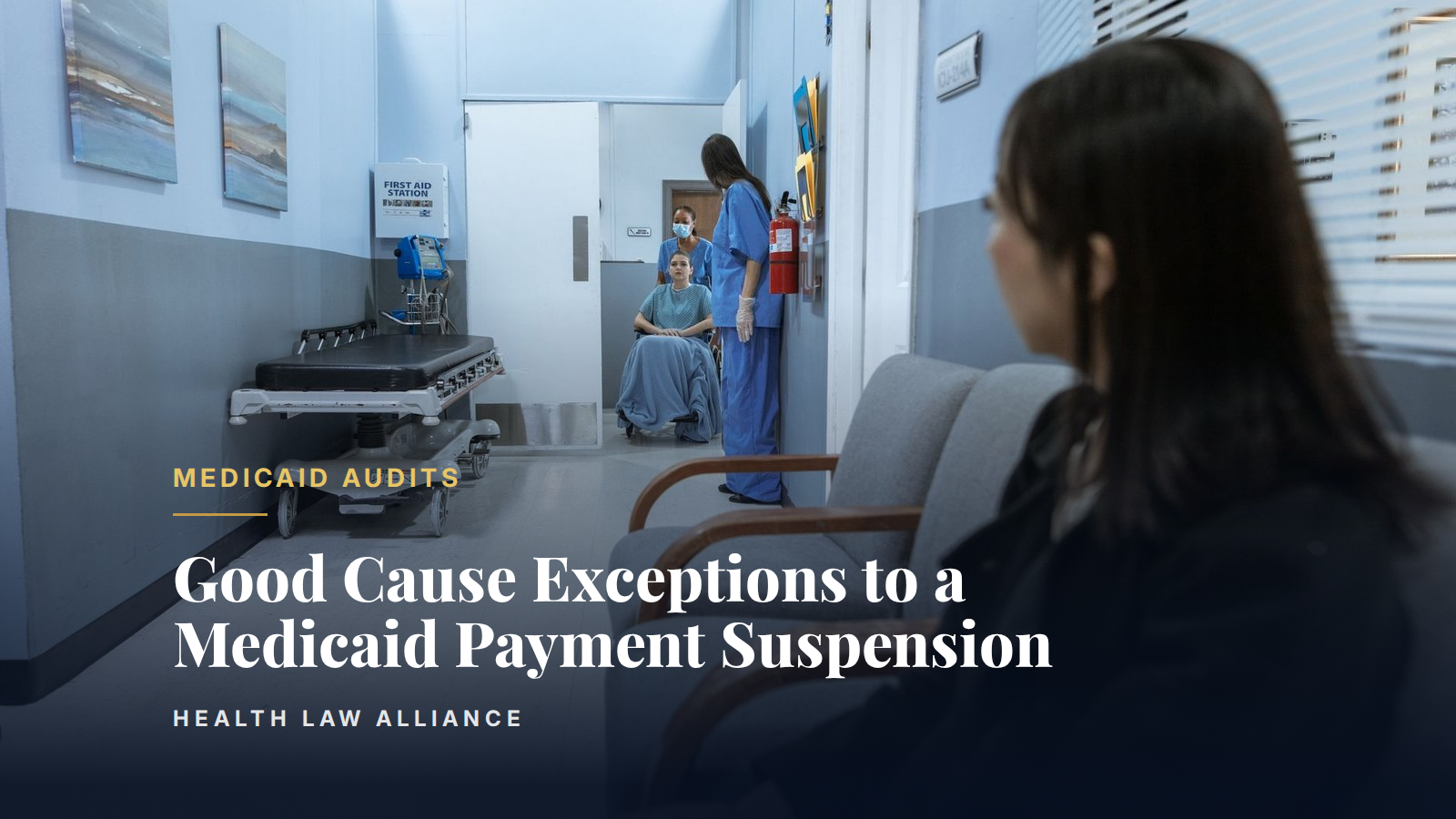
A state Medicaid agency that opens a fraud investigation is not required to wait for a conviction, or even for charges, before cutting off a provider's Medicaid payments. Under 42 CFR 455.23(a), a credible allegation of fraud triggers a mandatory payment suspension unless the state finds good cause not to impose one. For a provider whose Medicaid receivables make up most of its monthly cash flow, the suspension can end the business before the allegation is ever tested in court. The six good cause exceptions in 42 CFR 455.23(e) and (f) are the only path to keep payments flowing while the investigation runs, and the strongest turns on documenting harm to beneficiaries, not the provider.
The Mandatory Suspension Rule Under 42 CFR 455.23
Federal Medicaid regulations treat a credible allegation of fraud as a legal trigger, not a factual finding. 42 CFR 455.2 defines the term broadly: a verified allegation from a fraud hotline tip, claims data mining, a provider audit, a civil False Claims Act case, or a law enforcement investigation, so long as the state finds it reliable. That differs from a recoupment, which follows a completed audit's overpayment finding. Once the threshold is met, 42 CFR 455.23(a) requires the state to suspend payments without advance notice, though state law may entitle a provider to administrative review of the suspension. Notice follows within five days, or up to 30 days (renewable to a 90-day maximum) if law enforcement requests a delay, and the state must refer the matter to the Medicaid Fraud Control Unit by the next business day. The suspension stays in place until the investigation clears the provider or the legal proceedings conclude.
The Good Cause Bases That Keep Payments Flowing
42 CFR 455.23(e) lists six circumstances under which a state may decline to suspend payments, or may lift a suspension already imposed. Law enforcement can ask the state not to suspend because a suspension would tip off the investigation's target. The state can point to another remedy, such as a corrective action plan, that protects Medicaid funds more effectively. The provider can submit written evidence persuading the state the suspension should be removed, a process distinct from an audit appeal because there is no finalized audit determination to challenge, only an open investigation. Law enforcement can decline to certify the matter remains under investigation. The state can determine outright that a suspension is not in the program's best interest. And beneficiary access to care can be jeopardized. 42 CFR 455.23(f) allows that same access basis, plus a claim-specific allegation, to support suspending payment only in part.
Documenting Beneficiary Access Harm
The access exception under 42 CFR 455.23(e)(4) and (f)(1) has two tracks. The first is status as the sole community physician or the sole source of essential, hard-to-replace medical services in the community, built on affected patient counts, the distance to the next available provider offering the same service, and referral records documenting reliance on the practice. The second is service to a large number of beneficiaries within a Health Resources and Services Administration (HRSA)-designated medically underserved area, which starts with confirming the practice location against HRSA's own designation and showing the volume of Medicaid beneficiaries actually served there. Neither track works on the provider's word alone. The record needs patient panel data by payer, appointment and waitlist volumes, and, where available, a letter from a hospital or health system describing the effect a suspension would have on its referral base and capacity.
The good cause exceptions in 42 CFR 455.23 are not a defense to the fraud allegation. They are the argument for why the state should not let an unproven allegation shut off care before it is proven.
Why Early Legal Counsel Is Critical
It is critical that a provider retain experienced healthcare defense counsel as soon as a payment suspension notice arrives, not after the state's good cause window has closed. Early legal intervention can identify which good cause basis fits the facts, assemble the beneficiary access evidence the state will credit, and communicate with the Medicaid Fraud Control Unit on the provider's behalf while the investigation runs. A suspension that goes unanswered can also cascade into a program termination or an OIG exclusion long before the fraud allegation is resolved, exposure that compounds the longer the provider waits to respond.
How Health Law Alliance Can Help
Health Law Alliance represents providers named in Medicaid fraud investigations through the payment suspension itself, the good cause request to the state Medicaid agency, and the administrative review process that follows when state law provides one, as part of the firm's Medicaid audit defense practice. If your practice has received a payment suspension notice and needs the beneficiary access record built quickly, contact us for a free, confidential consultation.