An OptumRx audit notice sets a strict clock running. OptumRx runs desk audits, on-site audits, and investigative audits of network pharmacies to check claim accuracy, inventory, and regulatory compliance, and it can extrapolate a small sample of flagged claims into a demand covering years of dispensing. Pharmacies generally have 30 calendar days from the audit results letter to dispute the findings, and missing that window converts every open finding into an automatic recoupment. What a pharmacy does in the first weeks after the letter arrives shapes whether the matter ends in a manageable adjustment or a network termination.
Background
OptumRx administers pharmacy benefits for many of the country's largest health plans and Medicare Part D sponsors, and its Pharmacy Provider Manual gives OptumRx broad authority to audit any network pharmacy. Under the manual, every claim a pharmacy submits is subject to audit, and OptumRx's Pharmacy Audit Program exists to verify claim accuracy and contractual compliance, review drug inventories, and detect fraud, waste, and abuse. A PBM audit is not an occasional event. It is a routine feature of network participation, and every dispensed claim carries exposure until the applicable lookback period closes.
The OptumRx Audit Types
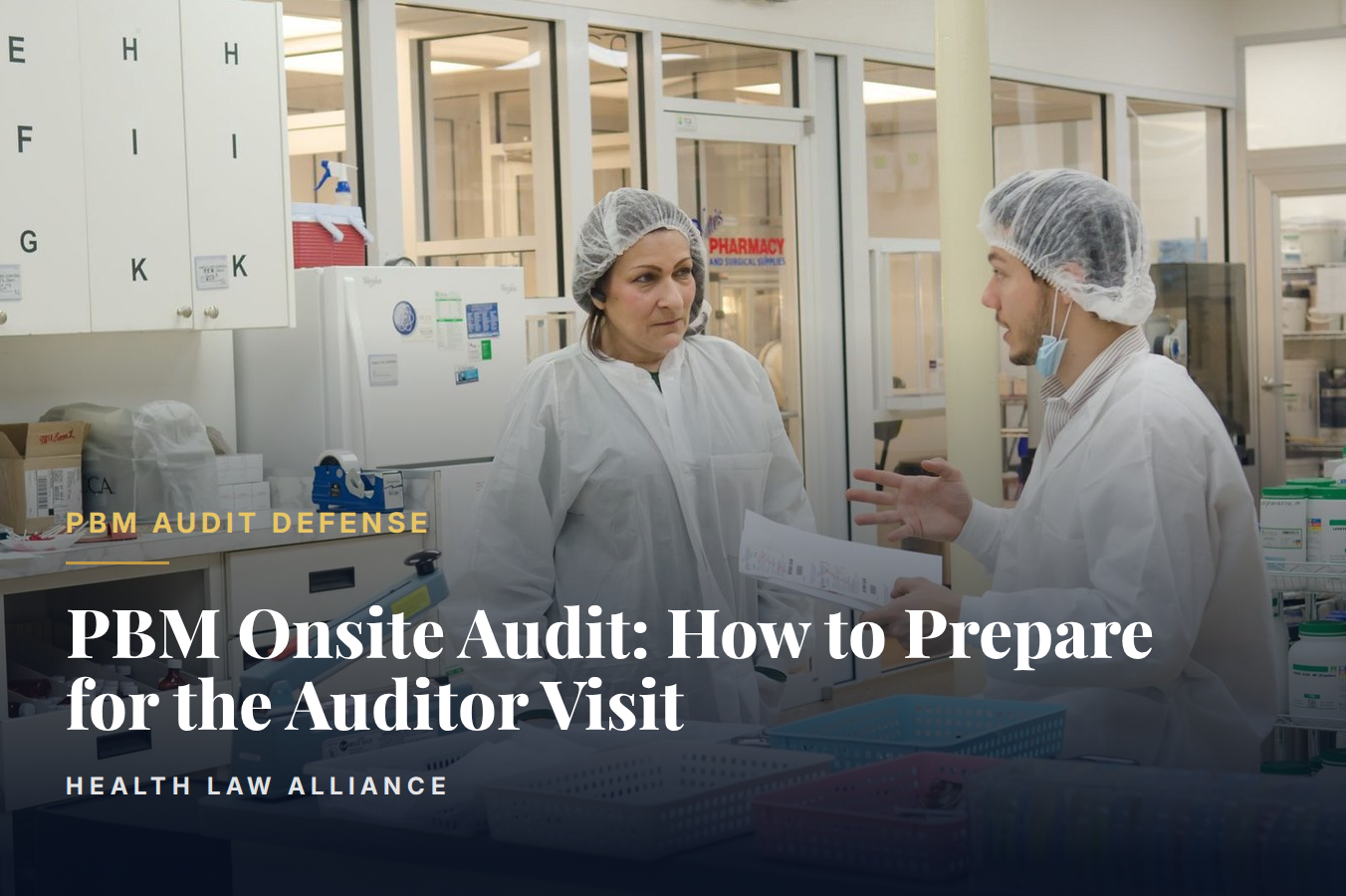
OptumRx's manual describes several audit formats. A desktop audit is conducted entirely by written correspondence and document requests. An on-site audit sends auditors to the pharmacy, typically with seven calendar days of advance notice, to examine signature logs, prescription files, and inventory records in person. OptumRx also runs investigative audits when it suspects fraud, waste, or abuse, and those can proceed with little or no advance notice. Each format carries its own document list and its own dispute record, so identifying exactly which kind of audit a notice describes is the first task on receipt.
Common Findings and Extrapolation
The findings that recur most often involve missing or invalid signatures, gaps in prior authorization documentation, invoice shortfalls that do not match wholesaler purchase records, and prescription-level discrepancies such as incorrect days' supply or unauthorized refills. OptumRx's manual permits recoupment of the full reimbursement on any claim it finds discrepant. Where cumulative errors rise to what OptumRx determines is negligence or fraud, waste, and abuse, the manual reserves the right to extrapolate the sampled error rate across the entire claims population under audit, which is how a finding on a handful of claims can become a demand covering the full lookback period.
The dollar figure in an OptumRx audit finding is a projection built from a sample. Challenging the sample, not just the individual claims, is often what separates a manageable adjustment from a demand that threatens the pharmacy's continued operation.
The Appeal Window and the PARC Process
A pharmacy has 30 calendar days from the initial or preliminary audit results letter to submit a written dispute, sent by certified mail or another trackable method to OptumRx's Network Audit Manager. Missing that window subjects the finding to recoupment as stated in the letter. If the dispute does not resolve the matter, OptumRx's Pharmacy Audit Review Committee, known as PARC, offers a one-time reconsideration of the final audit determination, also within 30 calendar days of the final report. PARC does not accept new documentation. It re-reviews what the pharmacy already submitted, and it is unavailable for findings tied to suspected fraud, prescriber or member denials, or inventory shortages. A pattern of violations found during an audit can also support termination for cause from the OptumRx network, which carries its own separate appeal.
Pharmacies preparing a response should also review How to Respond to a PBM Audit Letter: A Step-by-Step Guide for the response mechanics, What a PBM Audit Really Costs: Extrapolation and Recoupment Explained for how extrapolated demands are calculated, and CVS Caremark Audit Appeals: Deadlines and Procedural Defenses for how the appeal posture compares across PBMs.
Why Early Legal Counsel Is Critical
It is critical that pharmacies promptly retain experienced healthcare defense counsel upon receiving an OptumRx audit notice, subpoena, or other investigative request. Early legal intervention can protect the pharmacy's rights, ensure appropriate responses to the audit, avoid inadvertent admissions, preserve every available defense, and allow counsel to communicate with the auditor on the pharmacy's behalf. Delaying representation can significantly affect the outcome and expose the pharmacy to unnecessary risk, particularly once extrapolation or termination for cause is in play.
How Health Law Alliance Can Help
Health Law Alliance defends pharmacies against OptumRx audits, extrapolated recoupment demands, and network terminations nationwide. Our team includes attorneys with backgrounds inside PBM operations and federal enforcement, which shapes how we test an audit's sampling methodology and procedural footing. If your pharmacy has received an OptumRx audit notice, contact us for a free, confidential consultation.