
Two regulators, one set of facts, and each one can end the pharmacy on its own.
Request a Free Case ReviewA controlled substance problem rarely stays in one forum. A DEA action commonly triggers state board reporting, and state board discipline can independently put the federal registration at risk, because state authority to handle controlled substances is a prerequisite for the DEA registration. Lose the state licence and the federal registration follows.
Defended separately, the two cases undermine each other. A concession that buys goodwill at the board becomes an admission in the federal matter; a denial that plays well federally reads as a refusal to take responsibility at the board. These are two proceedings that need one strategy.

Anthony's background as a former federal prosecutor and executive for major healthcare companies provided a level of expertise and insight that made all the difference. His deep understanding of healthcare law, particularly in litigation and compliance matters, helped navigate complex legal issues with ease.
With upmost professional respect, I will be forever grateful to have such caring individuals as Attorney Anthony Mahajan and Attorney Diana Yastrovskaya who come into my life, even though I am a business owner but I always felt I was treated as a friend and was made reaching out to them with ease.
I had a great experience working with Health Law Alliance. From the very beginning, their team was incredibly helpful, responsive, and professional. They answered all of my questions quickly and kept me informed throughout the entire process.

Anthony and his staff have gone above and beyond. His proactive communication and ability to handle complex legal scenarios effectively have been a significant asset. Highly recommended attorney.

Top-notch attorneys with an unparalleled scope of experience and breadth of knowledge. You will want them in your corner.

Had nothing but great experience from them. Knowledgeable and professional in all aspects. They have a vast knowledge in health care cases, great to be on your side against insurances.

Trustworthy and experienced.
Three ways parallel matters go wrong when nobody is coordinating them.

DEA registration depends on holding state authority to handle controlled substances. If the board suspends or revokes that authority, the federal registration is exposed regardless of how the DEA matter itself was going. The state case is often the more urgent one even when the federal case looks more serious.
Written responses, sworn testimony, plans of correction, and settlement terms travel. Positions taken to resolve the board matter quickly can be produced in the federal proceeding, and vice versa. Inconsistency between them is worse than either position on its own.
A board can act on an interim basis in days while a federal matter runs for months, or the reverse. Neither regulator adjusts to the other. Sequencing decisions, and knowing which forum to resolve first, is a strategic choice that has to be made deliberately.
Four reasons parallel defense is a distinct discipline.

What an inspection produces, and how a registrant responds to it, becomes the record DEA relies on in an Order to Show Cause, an Immediate Suspension Order, and any administrative hearing.
One assessment, one strategy, two sets of filings.
We establish what each regulator has, what each can do on an interim basis, and every notification obligation and its deadline. Missed reports are avoidable violations and we clear them first.
What is conceded, what is contested, and what remediation is presented gets settled as a single strategy across both forums, so nothing filed in one becomes a problem in the other.
Which matter to resolve first is a choice, driven by which regulator can act fastest and which outcome constrains the other. We make that call consciously rather than reacting to whichever letter arrived most recently.
Conditions imposed by one regulator have to be compatible with the other's expectations, and with actually running the pharmacy. We negotiate terms that can be complied with, so compliance does not become the next case.
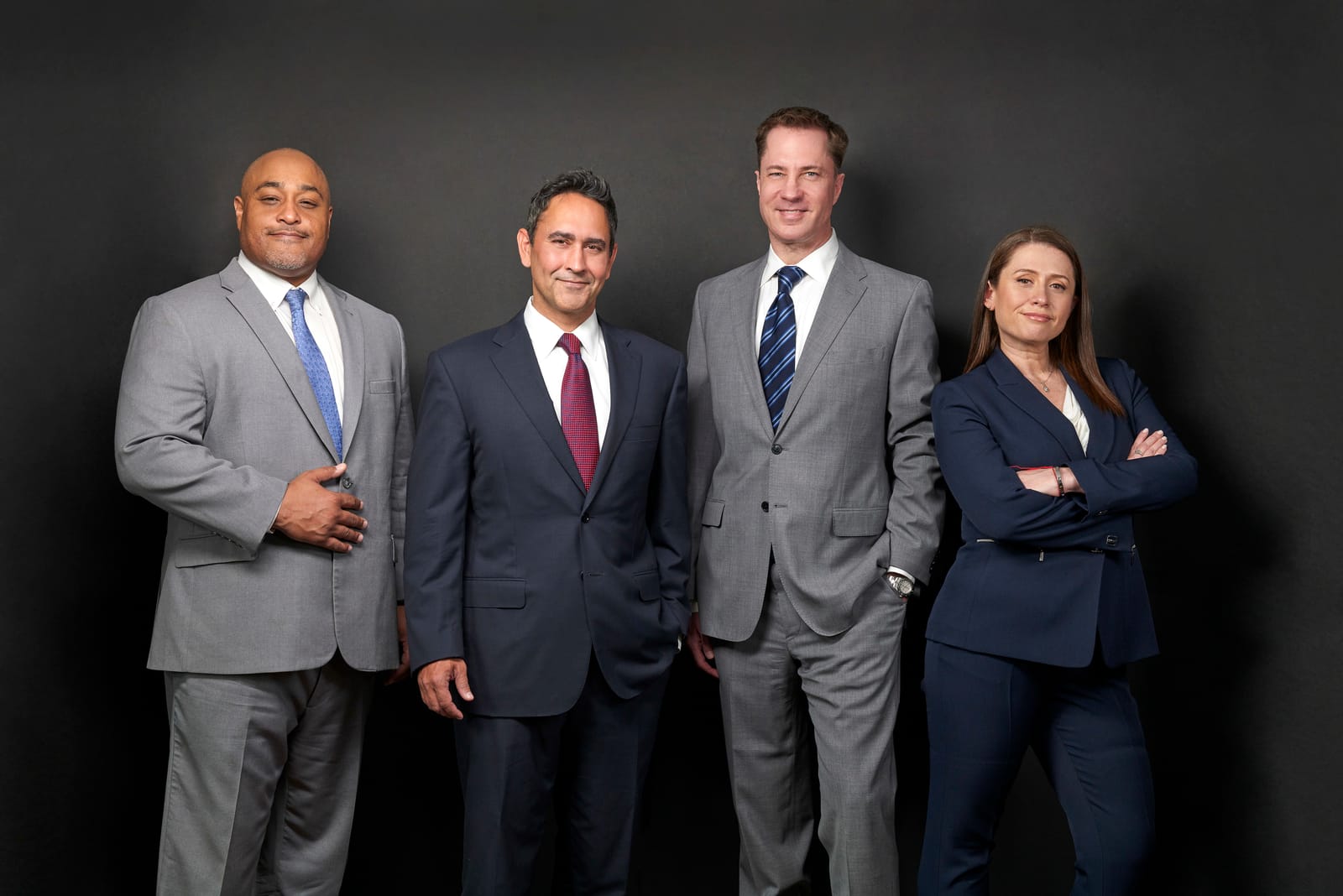
Health Law Alliance handles the response and any parallel appeal, licensing matter or referral as one coordinated matter, so the strategy does not change hands as the matter moves between forums.
The bench includes a former Assistant U.S. Attorney nominated for the DOJ Director's Award, senior healthcare-company counsel, and attorney-providers with experience across healthcare audits and investigations.


Agency and company marks identify former professional experience of individual HLA team members. They do not imply affiliation, endorsement, or a client relationship.
Bring us everything from both regulators. We will map the reporting duties, work out which clock matters most, and set a single position. Free, confidential, no retainer.