
Surrender is the one thing in a DEA inspection that cannot be undone by winning later. It takes effect when you sign, not when a judge agrees.
Request a Free Case ReviewDiversion investigators routinely present DEA Form 104 at the end of an inspection, often framed as the quickest way to end the visit. Signing it surrenders the registration. It takes effect on signature, without a hearing, without a finding, and without any determination that the allegations behind it are true.
Getting the registration back is not an appeal. It is a new application, judged on the public interest factors in 21 U.S.C. § 823, with the surrender sitting in the applicant history. That is why the decision at the counter matters more than almost anything that follows it.

Anthony's background as a former federal prosecutor and executive for major healthcare companies provided a level of expertise and insight that made all the difference. His deep understanding of healthcare law, particularly in litigation and compliance matters, helped navigate complex legal issues with ease.
With upmost professional respect, I will be forever grateful to have such caring individuals as Attorney Anthony Mahajan and Attorney Diana Yastrovskaya who come into my life, even though I am a business owner but I always felt I was treated as a friend and was made reaching out to them with ease.
I had a great experience working with Health Law Alliance. From the very beginning, their team was incredibly helpful, responsive, and professional. They answered all of my questions quickly and kept me informed throughout the entire process.

Anthony and his staff have gone above and beyond. His proactive communication and ability to handle complex legal scenarios effectively have been a significant asset. Highly recommended attorney.

Top-notch attorneys with an unparalleled scope of experience and breadth of knowledge. You will want them in your corner.

Had nothing but great experience from them. Knowledgeable and professional in all aspects. They have a vast knowledge in health care cases, great to be on your side against insurances.

Trustworthy and experienced.
A surrender is not a pause. Authority to order, store, dispense or prescribe controlled substances ends on signature, and the business consequences follow within days. Undoing one is difficult: courts examine whether the surrender was knowing and voluntary, and an investigator asking politely in your own dispensary is rarely enough on its own to make it involuntary.
There is no wind-down period. Ordering, storing, dispensing and prescribing controlled substances all stop, and for most pharmacies and many practices that is the majority of the business. Staff, wholesalers and payors have to be told, and the operational damage begins long before any question of getting the registration back arises.
Re-registration is judged on the public interest factors, with the surrender in the record and the conduct behind it open for examination. The applicant carries the burden. That is a materially harder position than defending an Order to Show Cause, where the government has to prove its case.
State boards commonly treat a federal surrender as a reportable event and can open their own proceeding on the same facts. Payors and wholesalers have their own reporting triggers. One signature can start several proceedings that would otherwise have needed the government to act first.
Four features separate a surrender from every other way a registration can end.

What an inspection produces, and how a registrant responds to it, becomes the record DEA relies on in an Order to Show Cause, an Immediate Suspension Order, and any administrative hearing.
Four stages. The first is measured in minutes rather than weeks.
We speak to you, and where you want us to, to the investigator. Nothing gets signed. We establish what is being alleged, what has been seized or copied, and whether an immediate suspension is actually in prospect or is being used as leverage.
We read the inspection against the records: ordering patterns, inventory reconciliation, dispensing files, and the recordkeeping the investigator asked for. That tells us whether the grounds DEA would need for an Order to Show Cause are genuinely there, which is the only sound basis for deciding anything.
Sometimes surrender is the right commercial answer, and where it is, it should be negotiated rather than signed under pressure, with the terms and the timing understood. More often the right answer is to make DEA issue an Order to Show Cause and prove its case.
We look at how the signature was obtained and preserve every contemporaneous record of it, and in parallel we start the remediation that a re-application will be judged on. Fixed systems with a documented history are the strongest material an applicant can bring.
Health Law Alliance handles the response and any parallel appeal, licensing matter or referral as one coordinated matter, so the strategy does not change hands as the matter moves between forums.
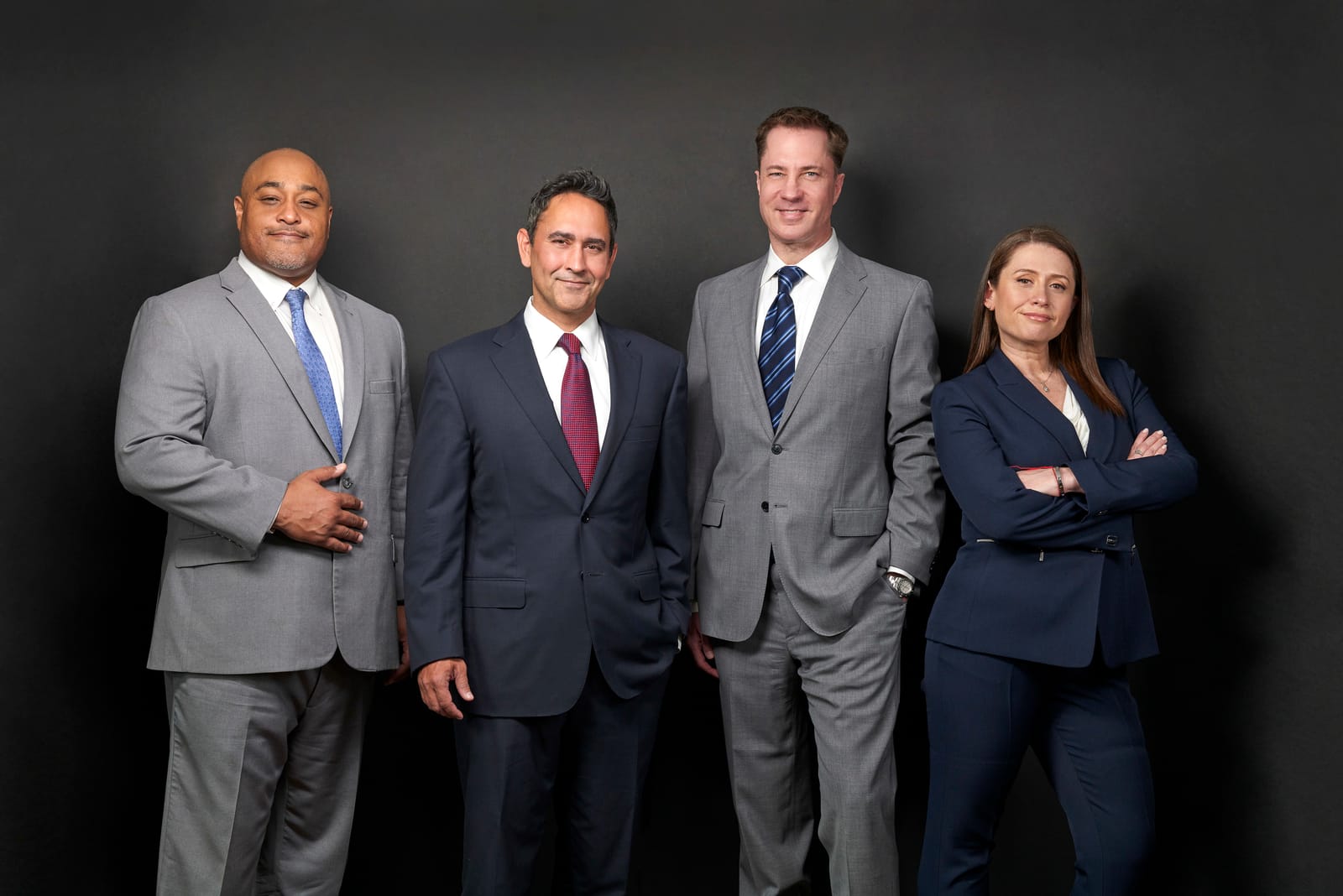
The bench includes a former Assistant U.S. Attorney nominated for the DOJ Director's Award, senior healthcare-company counsel, and attorney-providers with experience across healthcare audits and investigations.


Agency and company marks identify former professional experience of individual HLA team members. They do not imply affiliation, endorsement, or a client relationship.
Tell us what the investigator has asked for and what has been produced so far. We will tell you what DEA would actually have to prove, whether surrender is being used as leverage, and what to do in the next hour. Free, confidential, no retainer.