

The Order to Show Cause defines the whole case. What it alleges is what the hearing is about, and the 30 days to answer it start on service.
Request a Free Case ReviewAn Order to Show Cause is DEA’s charging document. It sets out the grounds under 21 U.S.C. § 824(a) on which the agency proposes to deny, suspend or revoke a registration, and it notifies the registrant of the right to a hearing. From service, there are 30 days to request one.
It is not a final decision, and it is not a conviction of anything. But it is the frame: allegations not made in it are generally not in the case, and allegations made in it have to be answered. Reading it precisely, against the investigative history behind it, is the first substantive piece of defense work.

Anthony's background as a former federal prosecutor and executive for major healthcare companies provided a level of expertise and insight that made all the difference. His deep understanding of healthcare law, particularly in litigation and compliance matters, helped navigate complex legal issues with ease.
With upmost professional respect, I will be forever grateful to have such caring individuals as Attorney Anthony Mahajan and Attorney Diana Yastrovskaya who come into my life, even though I am a business owner but I always felt I was treated as a friend and was made reaching out to them with ease.
I had a great experience working with Health Law Alliance. From the very beginning, their team was incredibly helpful, responsive, and professional. They answered all of my questions quickly and kept me informed throughout the entire process.

Anthony and his staff have gone above and beyond. His proactive communication and ability to handle complex legal scenarios effectively have been a significant asset. Highly recommended attorney.

Top-notch attorneys with an unparalleled scope of experience and breadth of knowledge. You will want them in your corner.

Had nothing but great experience from them. Knowledgeable and professional in all aspects. They have a vast knowledge in health care cases, great to be on your side against insurances.

Trustworthy and experienced.
Everything that follows is shaped by this document. The statutory grounds it cites determine what DEA has to establish and what evidence is relevant. The 30-day election determines whether there is a hearing at all. And because the same conduct usually interests state boards and sometimes prosecutors, how the allegations are answered here has consequences well outside the registration.
The election period runs from service. It is not extended by discussions with the diversion group, and letting it lapse generally waives the hearing and allows the Administrator to proceed on the record as it stands. If the deadline is close, that is the most urgent fact about the matter.
Section 824(a) supplies distinct grounds: a materially falsified application, a relevant felony conviction, loss of state authority, federal programme exclusion, and conduct inconsistent with the public interest. Each demands different evidence. A defense written against the wrong ground is wasted effort however well argued.
A federal action commonly triggers state board reporting, and the underlying conduct may already be of interest to prosecutors. Written submissions and sworn testimony given here are available in those forums. Answering the Order to Show Cause without mapping that exposure first creates problems that are hard to unwind.
Four things about the Order to Show Cause shape the entire defense.

What an inspection produces, and how a registrant responds to it, becomes the record DEA relies on in an Order to Show Cause, an Immediate Suspension Order, and any administrative hearing.
Four stages, with the decisive work inside the first thirty days.
We take the Order to Show Cause apart ground by ground and match each allegation to the evidence DEA is likely relying on, drawn from the inspection, the records produced and the ordering data. That is what makes the election a decision rather than a reflex.
State board reporting obligations, any criminal interest, and payor or wholesaler consequences are identified before anything is filed, so that the position taken federally does not create an avoidable problem in another forum.
Where a hearing is right, we request it within the period and begin the corrective work immediately: recordkeeping, inventory reconciliation, suspicious order monitoring, dispensing protocols and training, documented as it happens.
Prehearing statements, exhibits and witnesses are prepared against the statutory factors, and every submission is written in the knowledge that a Court of Appeals may eventually read the record it forms part of.
Health Law Alliance handles the response and any parallel appeal, licensing matter or referral as one coordinated matter, so the strategy does not change hands as the matter moves between forums.
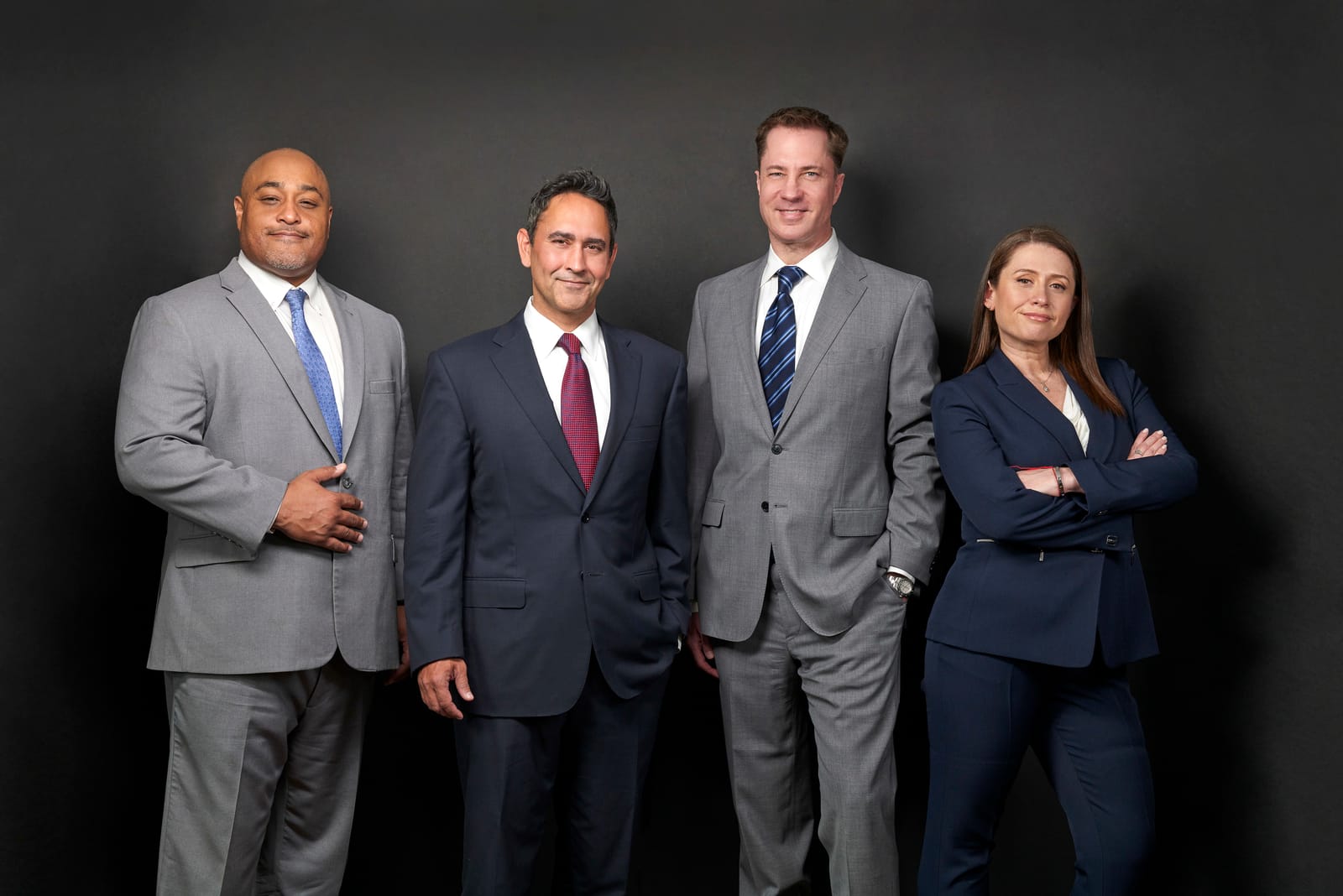
The bench includes a former Assistant U.S. Attorney nominated for the DOJ Director's Award, senior healthcare-company counsel, and attorney-providers with experience across healthcare audits and investigations.


Agency and company marks identify former professional experience of individual HLA team members. They do not imply affiliation, endorsement, or a client relationship.
Send us the Order to Show Cause and the inspection history. We will tell you what DEA has to prove on each ground cited, what remediation is worth starting this week, and whether electing a hearing is the right call. Free, confidential, no retainer.