
Telehealth Law
Telemedicine compliance, telehealth fraud red flags, and the regulatory landscape for virtual care.

Supervising Nurse Practitioners and Physician Assistants in Multistate Telehealth
The patient's state, not the clinician's, generally sets the scope-of-practice and collaboration rules a multistate telehealth vis…

Establishing the Provider-Patient Relationship by Telehealth
A telehealth prescription built on an intake questionnaire alone is the fact pattern that draws board scrutiny and, in serious cas…

Patient Records When a Telehealth Platform Shuts Down
When a telehealth platform closes, sells, or freezes accounts, HIPAA retention and access duties stay with the treating clinician,…
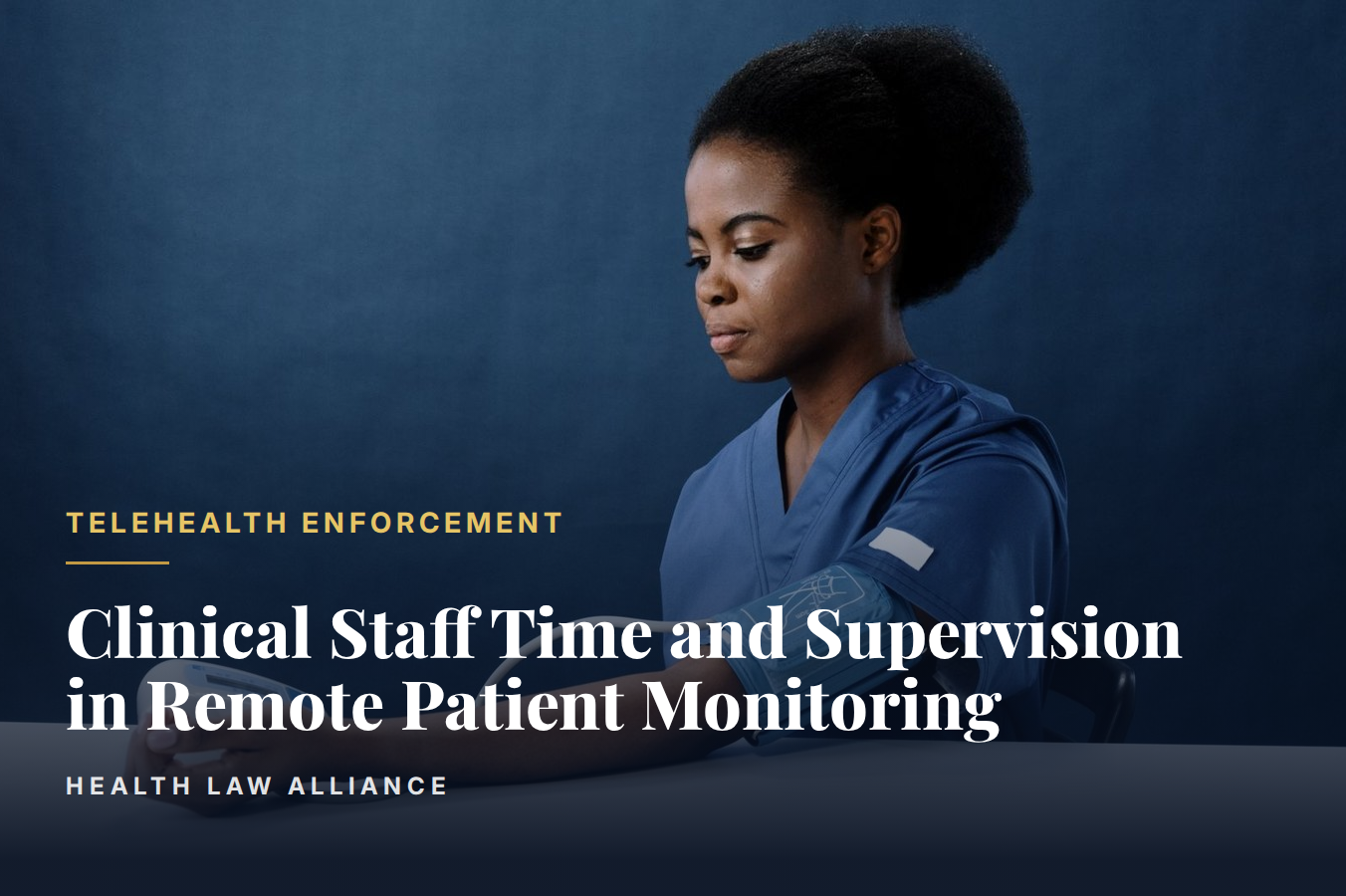
Clinical Staff Time and Supervision in Remote Patient Monitoring
CMS lets contracted clinical staff furnish RPM time under general supervision now, but a 2027 proposal and active OIG audits are t…

Claims Billed Under Your NPI by a Telehealth Company
A telehealth company can bill Medicare under a physician's NPI through reassigned billing rights, but the physician, not the platf…

When a Telehealth Audit Signals a Criminal Investigation
A Medicare telehealth audit can escalate into a federal criminal referral inside the same file. Here are the signals that mark the…

Time-Based Telehealth Coding and Audit Findings
Program integrity contractors test telehealth time-based E/M coding for overlapping encounters and impossible-day patterns before…

Telehealth Records Requests From Payers
Payers are pulling telehealth platform session logs and timestamps beside the chart note, and a documentation gap can become an ex…

Telehealth Prescribing Volume as an Audit Trigger
Medicare's UPIC and MEDIC analytics flag telehealth prescribers on volume alone. What triggers the flag, and how to defend a high-…