Martha M. Rumore, PharmD, JD, MS, LLM, FAPhA is Of Counsel at Health Law Alliance and a registered U.S. Patent Attorney.
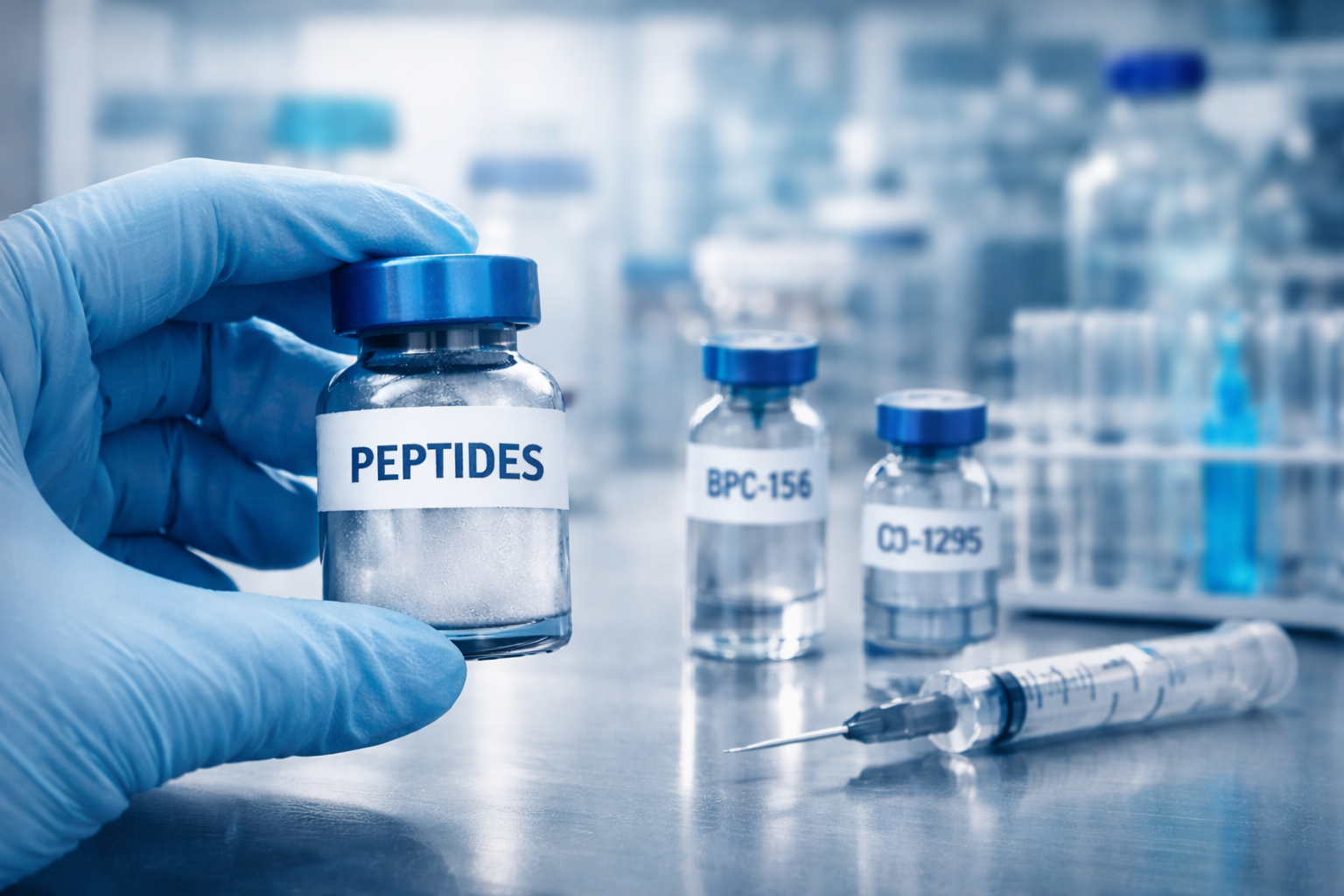
Whether a particular peptide can be compounded depends on its regulatory status, how it is sourced, and how it is marketed. 2026 is seeing exponential patient demand coupled with higher scrutiny from both the FDA and state boards of pharmacy, making it essential for 503A pharmacies to ensure strict compliance. U.S. Customs data reveals that imports of peptides from China have nearly doubled in one year. Combination peptide therapy, and integrated treatment plans, for example, IV therapy plus peptides such as BPC-157, GHK-cu, TB-500, CJC-1295 and ipamorelin are also popular.
Areas for enforcement are focused on: compounding practices; ‘research use only’ (‘RUO’) peptides marketed for human use; Active Pharmaceutical ingredient (API) sourcing. Other areas for heightened scrutiny involve payment processor transaction flags for “high risk” medical or wellness services such as peptide therapy.
Aside from RUO sales by ‘chemical companies’ mostly marketing directly to physician practices and/or consumers for human use which is not permitted, others try to operate ‘at risk’ in this somewhat Grey Market. Some wellness clinics import the peptides and then add on purity testing. Others have extensive patient waivers for experimental therapy or bundle payment into memberships to avoid transaction flags. Others use 503A compounding pharmacies where pharmaceutical-grade peptides are prescribed for individual patients. Here the API appears in Category I of the Bulks list, or has a USP Monograph, or is a component of an FDA-approved drug, is a dietary supplement peptide, comes from FDA-registered facilities, is accompanied with a Certificate of Analysis, and is compounded in compliance with USP 785 or 797.
Peptide compliance is now a major hurdle for clinics, online providers and 503A pharmacies. Health Law Alliance attorneys ensure compliance with peptide regulations and specialize in navigating the complex FDA regulations surrounding the sourcing, compounding, and sale of peptides like BPC-157, Ipamorelin, and CJC-1295. They protect medical clinics and suppliers from enforcement actions by conducting audits, reviewing marketing materials, and ensuring adherence to state and federal laws.