
Compounding Pharmacy
503A and 503B compounding pharmacy defense, FDA warning letters, GLP-1 compounding, and USP 797/800.
Semaglutide Salt Forms: Why the Base Matters
FDA says semaglutide sodium and semaglutide acetate are different active ingredients than the approved base form, and enforcement…
Recalling a Compounded Drug: Process and Exposure
How compounded drug recalls are classified and reported, and the licensure and liability exposure a pharmacy faces once one starts…
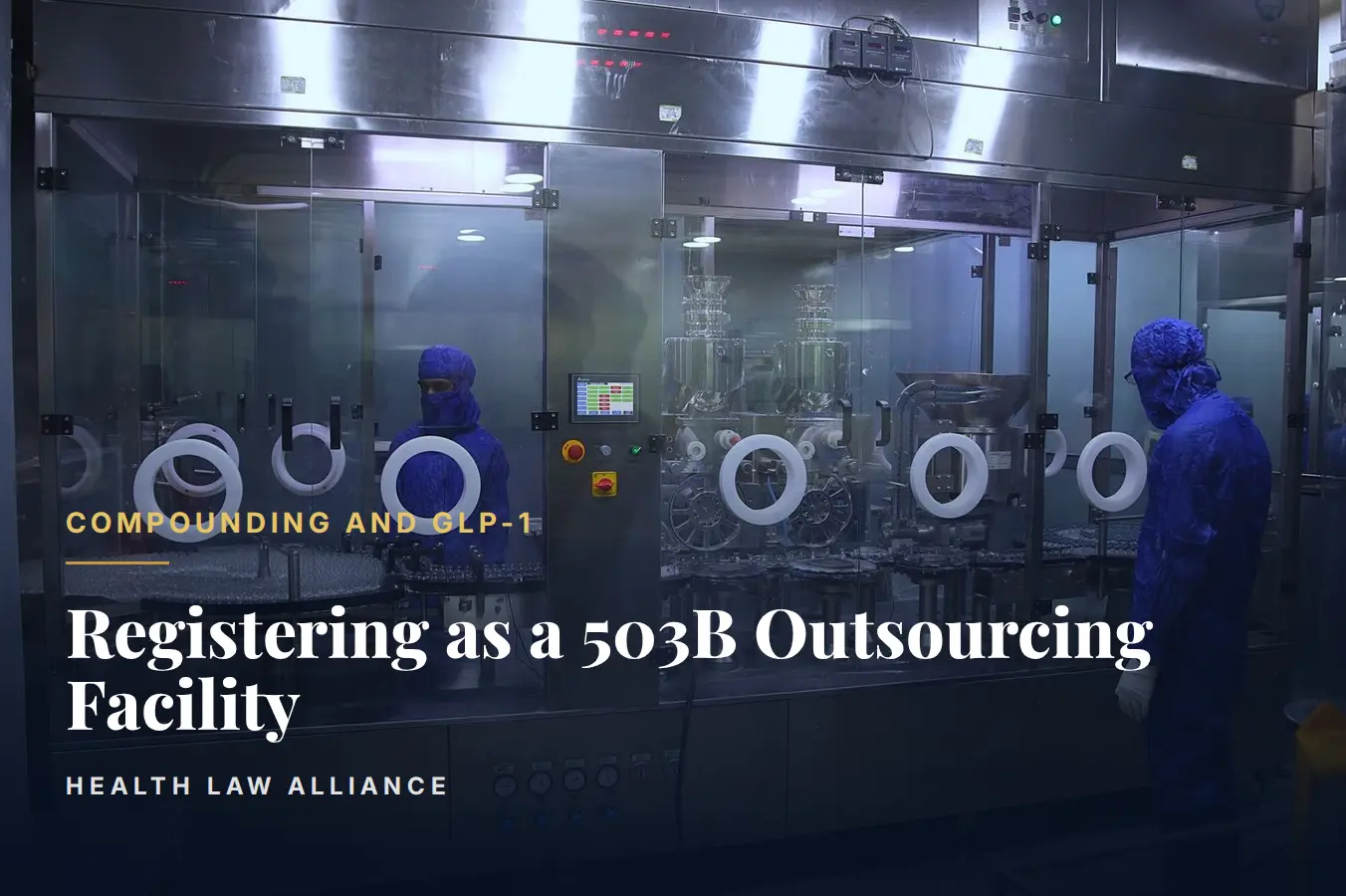
Registering as a 503B Outsourcing Facility
The FDA registration mechanics, annual re-registration window, fees, and cGMP obligations a pharmacy takes on by converting to 503…
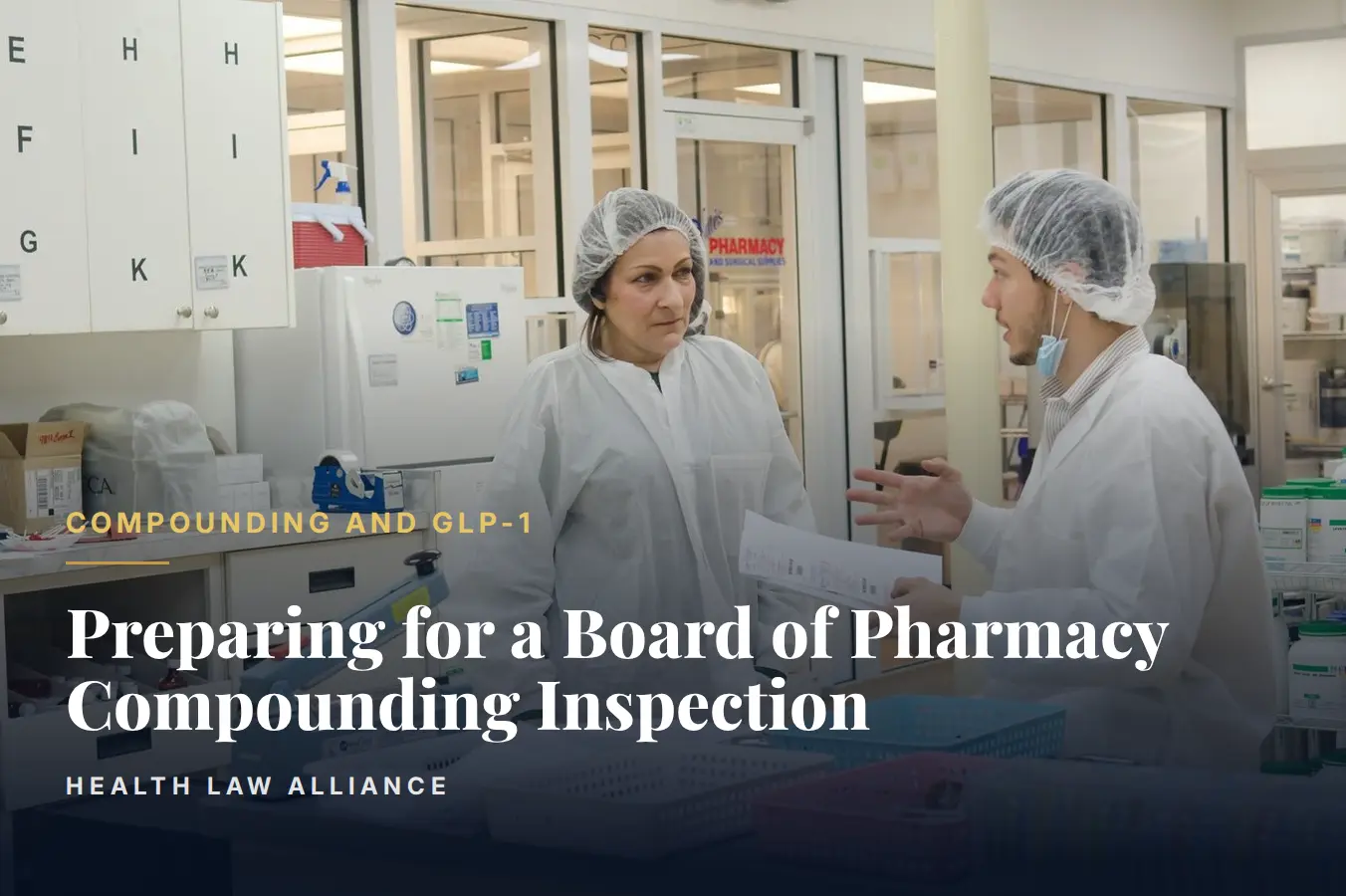
Preparing for a Board of Pharmacy Compounding Inspection
Mock inspections, staged compliance files, and corrected findings shape how a Board of Pharmacy compounding inspection goes before…
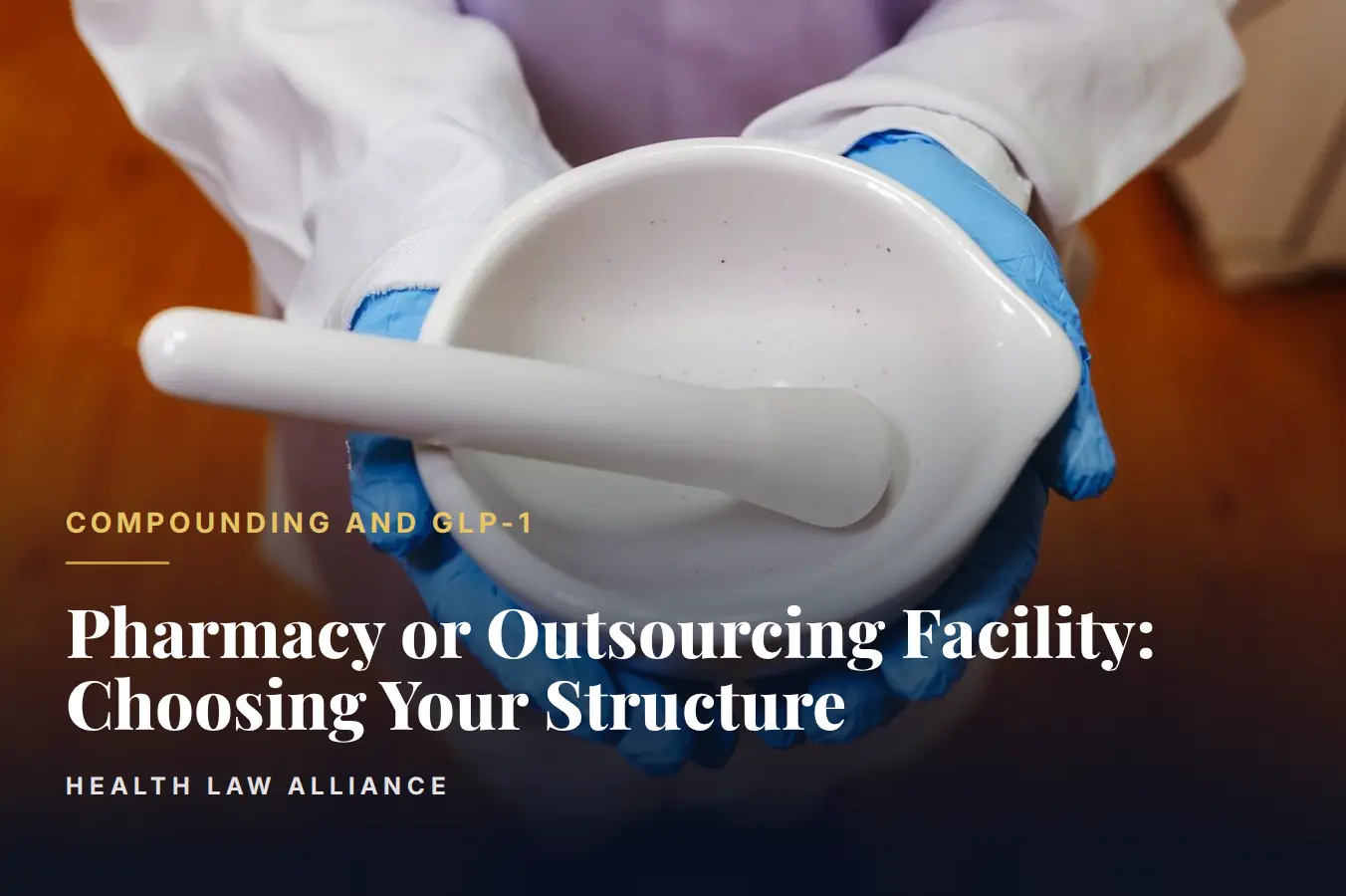
Pharmacy or Outsourcing Facility: Choosing Your Structure
Comparing 503A pharmacy compounding and 503B outsourcing facility status on prescription rules, cGMP burden, and interstate reach.
PCAB Accreditation: Worth It or Not
PCAB accreditation verifies compounding process standards, not immunity from a PBM audit, an FDA inspection, or a state board comp…
PBM Audits of Compounded Prescription Claims
Compounded prescriptions are billed and audited ingredient by ingredient. What PBMs demand on ingredient pricing and documentation…
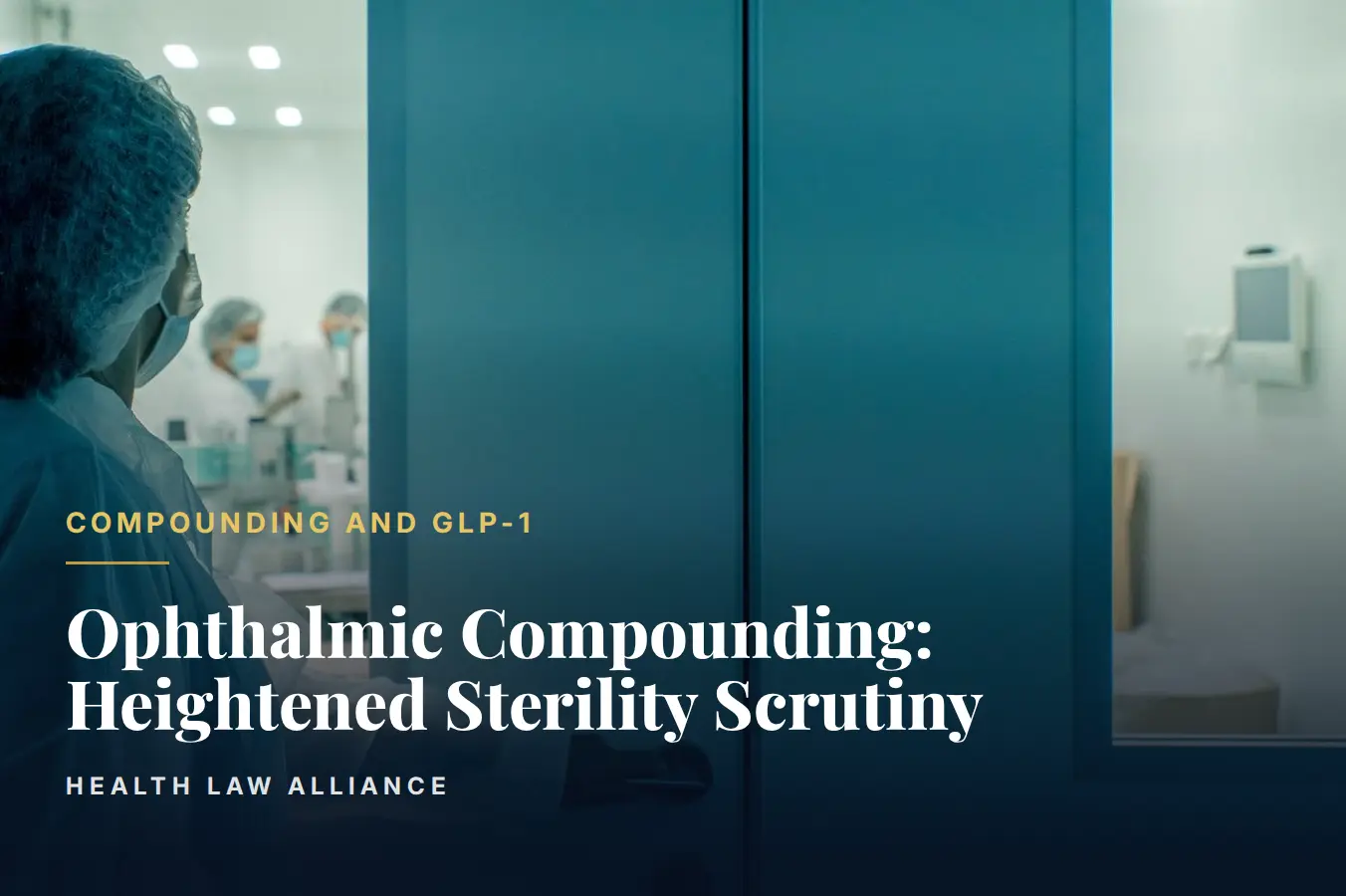
Ophthalmic Compounding: Heightened Sterility Scrutiny
A 2013 endophthalmitis outbreak and a January 2026 FDA warning letter show why ophthalmic compounding faces close sterility scruti…
Office Use Compounding: The State-by-State Problem
Section 503A requires a patient-specific prescription for compounded drugs, but state boards of pharmacy diverge sharply on office…