
Compounding Pharmacy
503A and 503B compounding pharmacy defense, FDA warning letters, GLP-1 compounding, and USP 797/800.
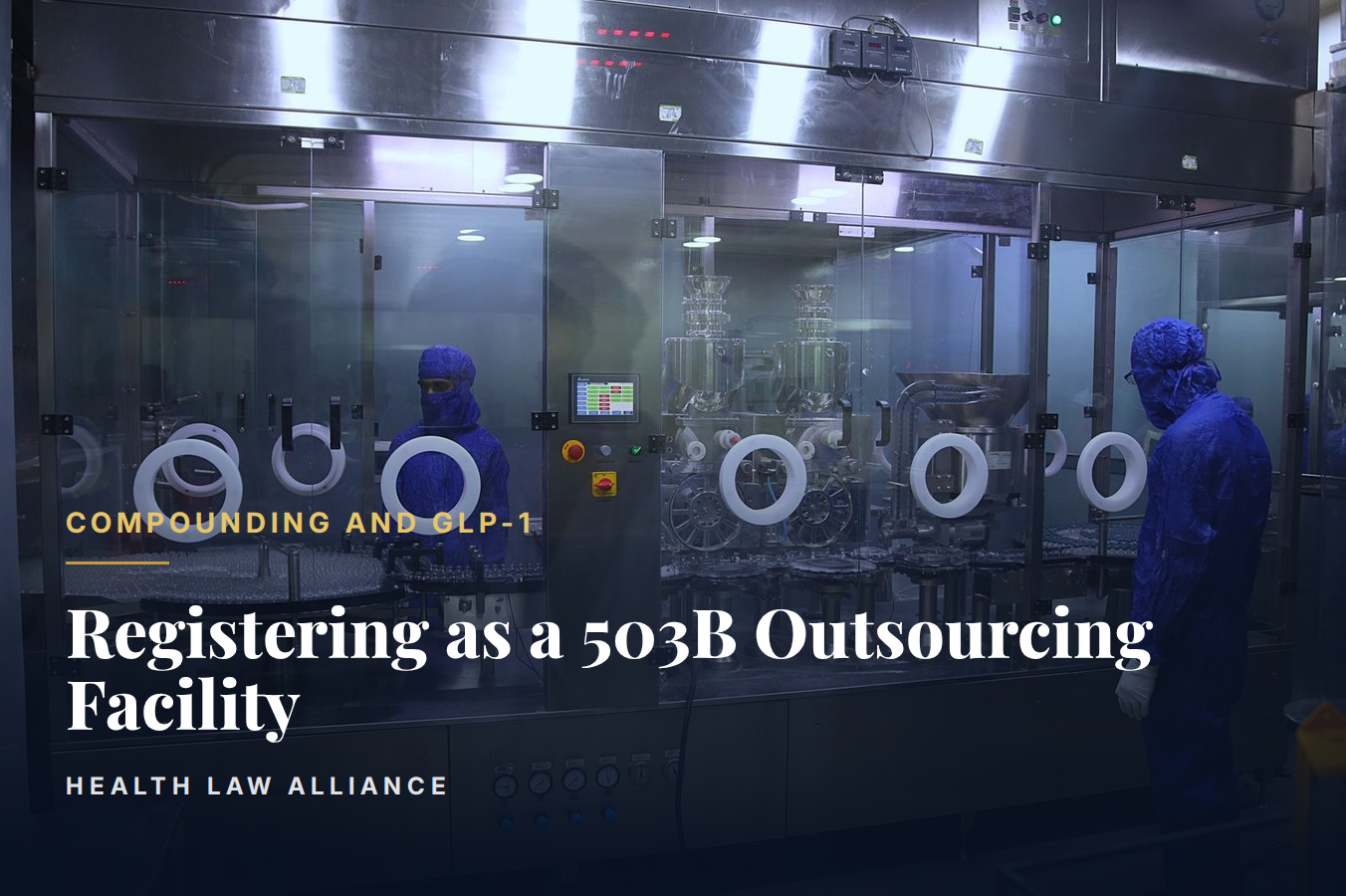
Registering as a 503B Outsourcing Facility
The FDA registration mechanics, annual re-registration window, fees, and cGMP obligations a pharmacy takes on by converting to 503…
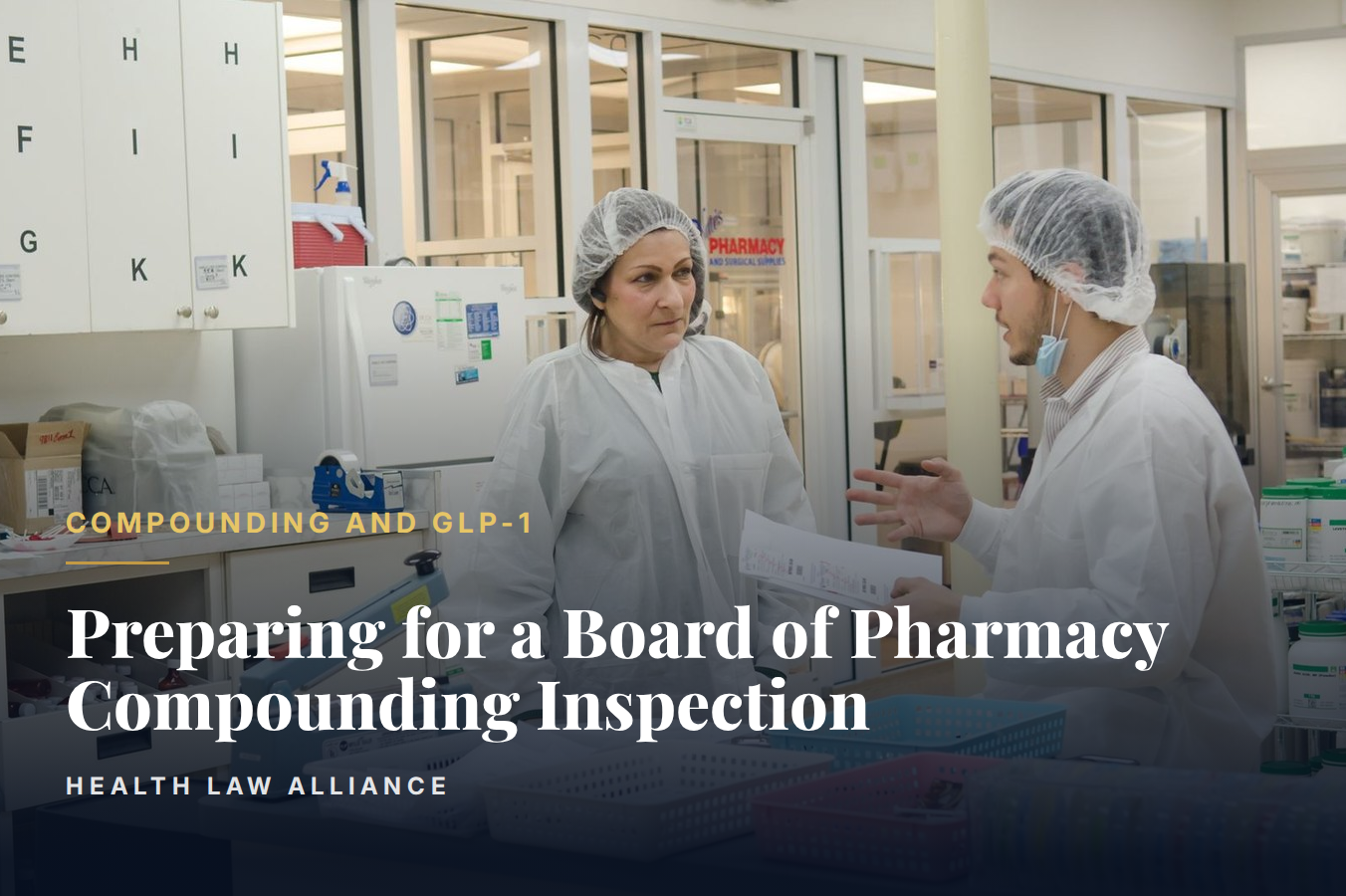
Preparing for a Board of Pharmacy Compounding Inspection
Mock inspections, staged compliance files, and corrected findings shape how a Board of Pharmacy compounding inspection goes before…
Pharmacy or Outsourcing Facility: Choosing Your Structure
Comparing 503A pharmacy compounding and 503B outsourcing facility status on prescription rules, cGMP burden, and interstate reach.
PCAB Accreditation: Worth It or Not
PCAB accreditation verifies compounding process standards, not immunity from a PBM audit, an FDA inspection, or a state board comp…
PBM Audits of Compounded Prescription Claims
Compounded prescriptions are billed and audited ingredient by ingredient. What PBMs demand on ingredient pricing and documentation…
Ophthalmic Compounding: Heightened Sterility Scrutiny
A 2013 endophthalmitis outbreak and a January 2026 FDA warning letter show why ophthalmic compounding faces close sterility scruti…
Office Use Compounding: The State-by-State Problem
Section 503A requires a patient-specific prescription for compounded drugs, but state boards of pharmacy diverge sharply on office…
Nonresident Pharmacy Licensure for Compounders
Compounding pharmacies must secure a nonresident pharmacy license in every state they ship into, with inspection rules and penalti…
Media Fill Testing and Personnel Qualification
USP 797 sets media fill test frequency, the failure investigation process, and requalification rules for compounding pharmacy pers…