
Compounding Pharmacy
503A and 503B compounding pharmacy defense, FDA warning letters, GLP-1 compounding, and USP 797/800.
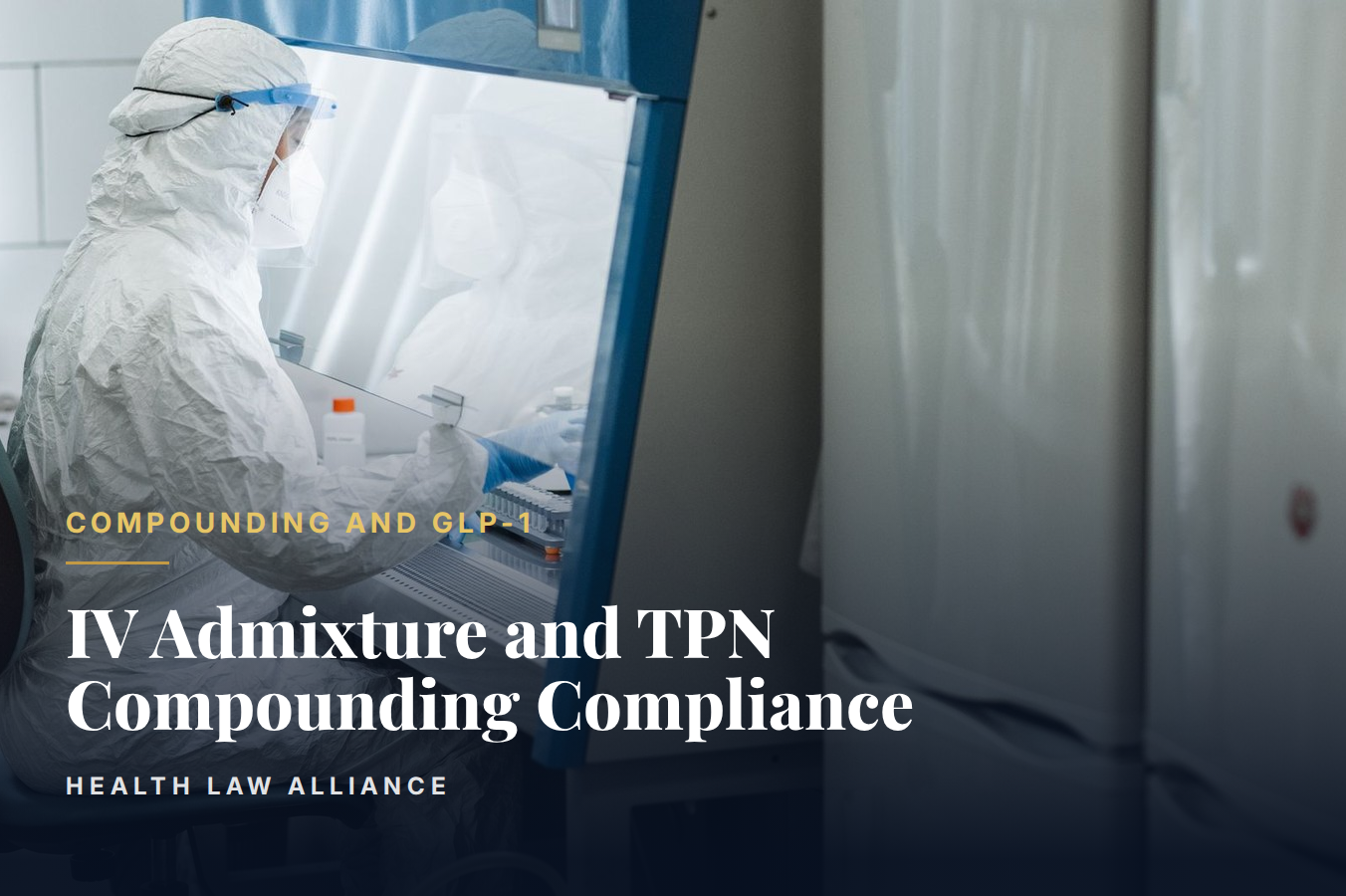
IV Admixture and TPN Compounding Compliance
USP 797 requires daily accuracy checks on automated compounding devices and specific documentation for gravimetric TPN verificatio…
Hormone Pellet Therapy and Compounding Enforcement
Compounded hormone pellets raise two enforcement risks at once: the 503A office-use prescription gap and FTC marketing claim expos…

Interstate Shipping Limits and the 5 Percent MOU
The FDA's 503A interstate distribution MOU is suspended, not signed by any state. Here is what the 5 percent cap requires until ru…

Extending Beyond-Use Dates: What Justifies It
USP <795> and <797> set default beyond-use dates, but extending them requires stability data meeting specific testing requirements…
FDA Form 483 Versus Warning Letter: What Each Means
How FDA's Form 483 inspection observations differ from a Warning Letter, and why a weak 483 response can trigger the more serious…
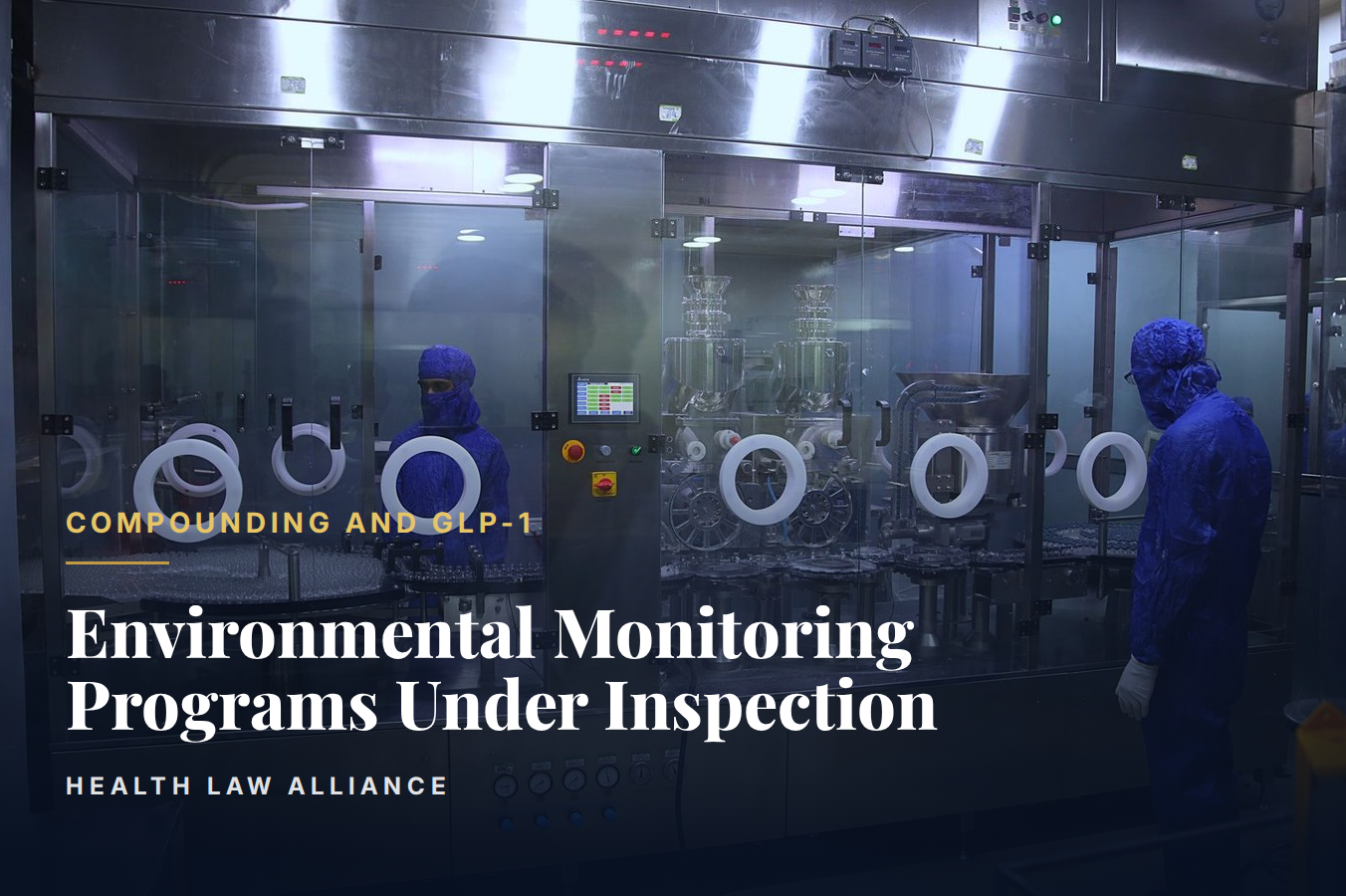
Environmental Monitoring Programs Under Inspection
USP <797> environmental monitoring for sterile compounding: sampling frequency, ISO action levels, and what a pharmacy must do whe…
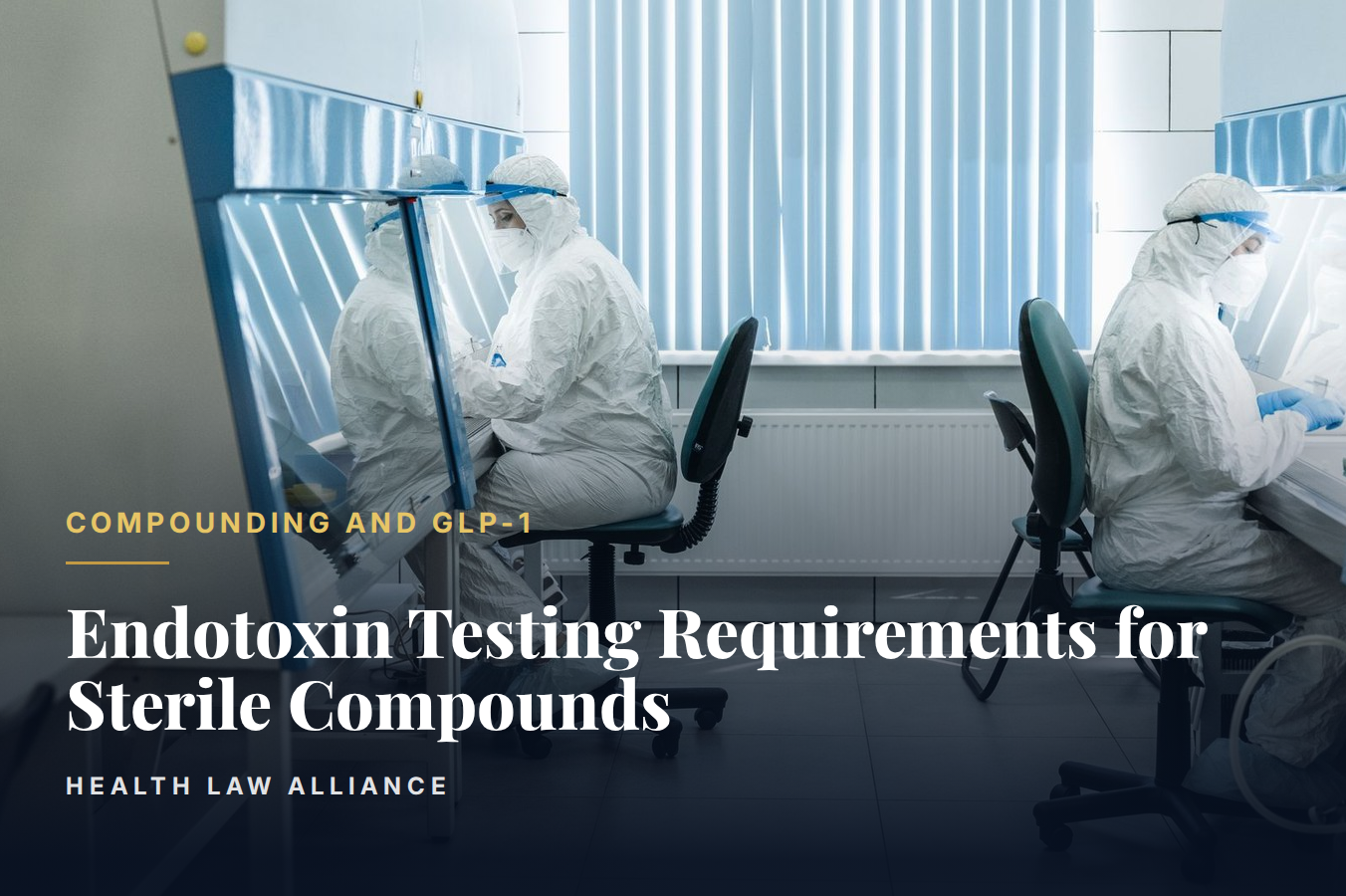
Endotoxin Testing Requirements for Sterile Compounds
USP <797> requires bacterial endotoxin testing for many sterile compounds. When it applies, how the limit is calculated, and what…
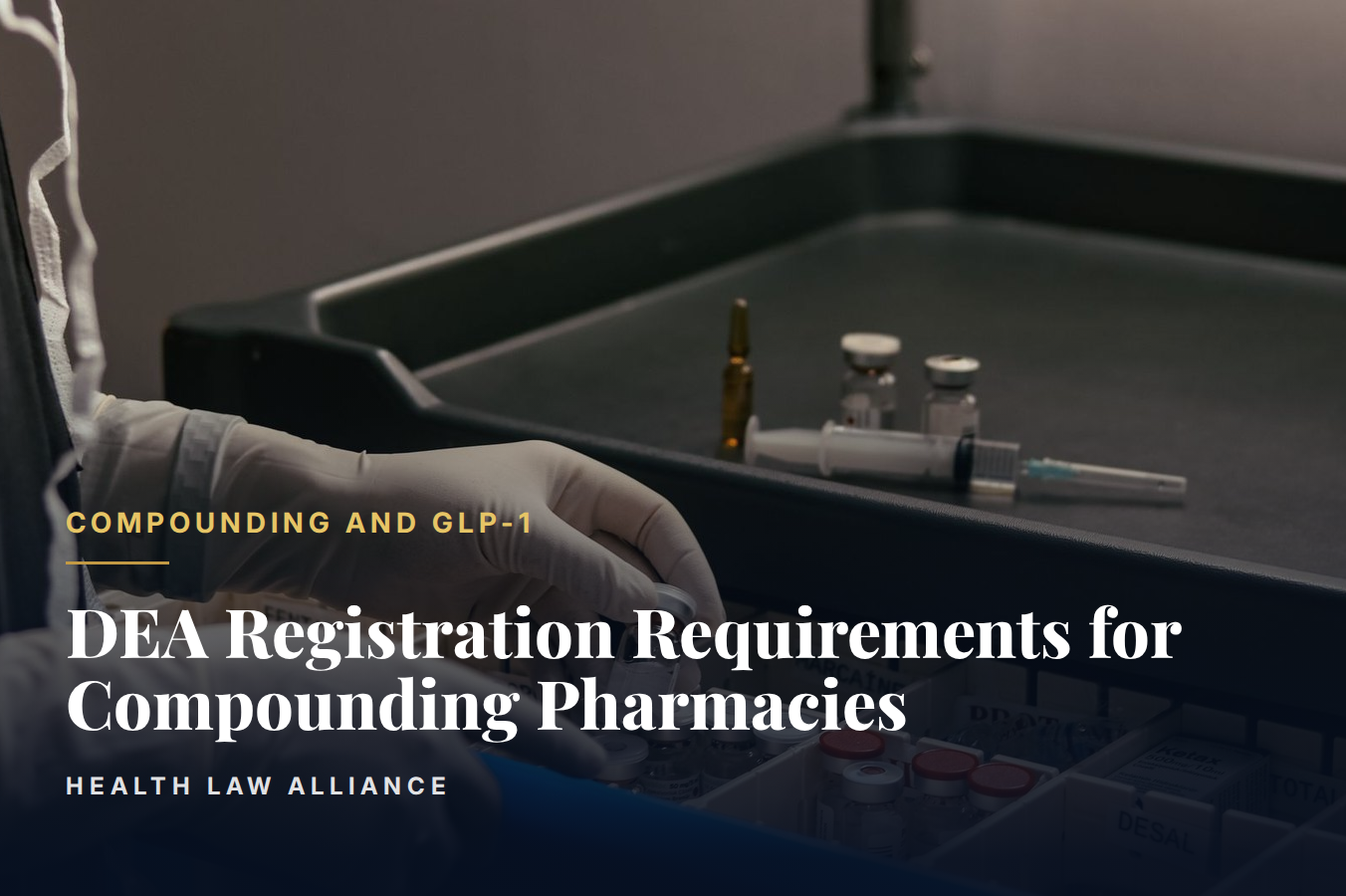
DEA Registration Requirements for Compounding Pharmacies
How compounding pharmacies register with DEA to handle controlled substances, and where FDA and DEA oversight overlap under 503A a…

Compounding Technician Training and Competency Records
What USP 797 and USP 800 require for compounding technician competency, the events that trigger retraining, and the records inspec…